Introduction
Kitten food is specially made to support the needs of growing kittens. It provides important nutrients, protein, fats, vitamins, and minerals. These nutrients help kittens build strong bones, muscles, and healthy bodies.
Choosing the right food can make a big difference in your kitten’s early life. A healthy diet gives them energy to play, explore, and grow. However, kittens have different needs as they get older, so their food should change with their growth.
In this guide, we will explore the best kitten food choices for different growth stages. We will also look at important ingredients, feeding tips, and healthy options. This can help new cat owners make better food choices for their kittens.
What Is Kitten Food?
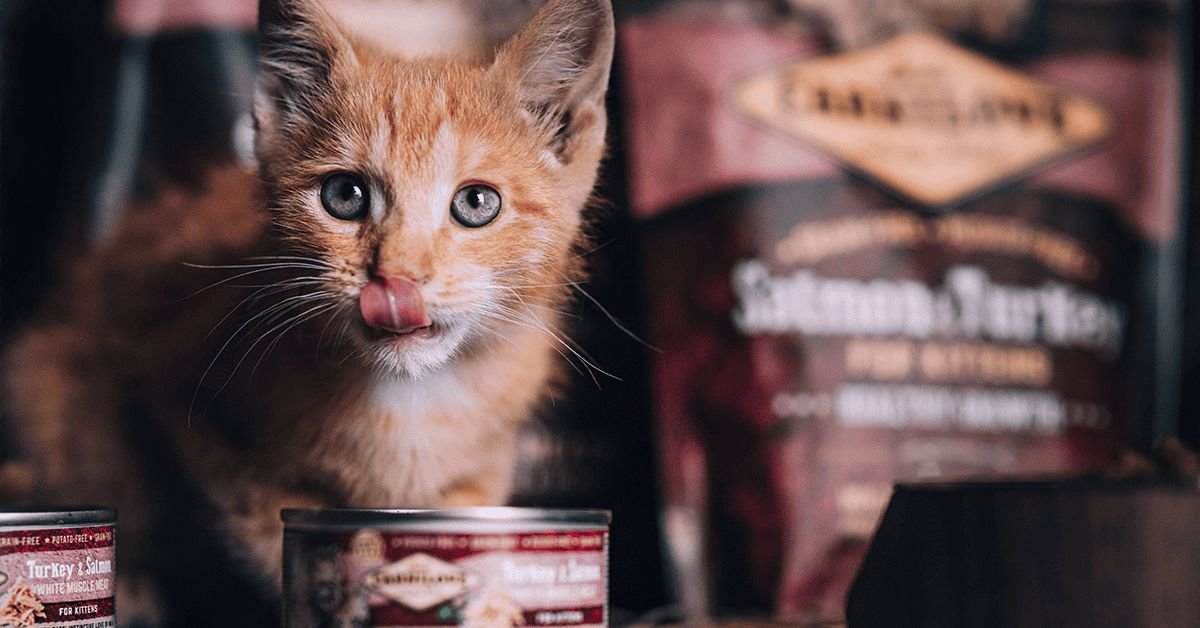
Kitten food is specially made for young cats. It contains nutrients that support healthy growth and development. It usually provides more protein, calories, and essential nutrients than regular adult cat food.
Young kittens need plenty of energy as they grow quickly. Good food helps build strong muscles, bones, and teeth. It also supports a healthy immune system and gives kittens energy for play and daily activity.
Kitten food can come in wet, dry, or mixed forms. The best choice depends on the kitten’s age, health, and feeding needs. Choosing a balanced formula can help your kitten grow into a healthy adult cat.
Food by Age
Kittens need different nutrition as they grow. Very young kittens need food that is easy to digest and rich in essential nutrients. As they become more active, their meals should provide enough energy for healthy growth.
During the weaning stage, kittens can slowly move from their mother’s milk to soft kitten food. Wet food can be easier to eat at first. Gradually, dry food can also be introduced if it suits the kitten.
Older kittens still need a balanced diet until they reach adulthood. Their food should provide quality protein, healthy fats, vitamins, and minerals. Feeding the right amount for their age and size can support steady growth and good health.
Growing Kittens
Growing kittens need plenty of energy to support their rapid development. Their food should contain high-quality protein for strong muscles. Healthy fats also provide energy and support brain and eye development.
As kittens grow, they become more active and playful. They need balanced meals to support their bones, teeth, and immune system. Fresh water should also be available throughout the day.
Feeding amounts can change as a kitten gets bigger. Follow the feeding guide on the food package and adjust portions when needed. Regular veterinary checkups can also help ensure your kitten is growing properly.
Wet or Dry Food
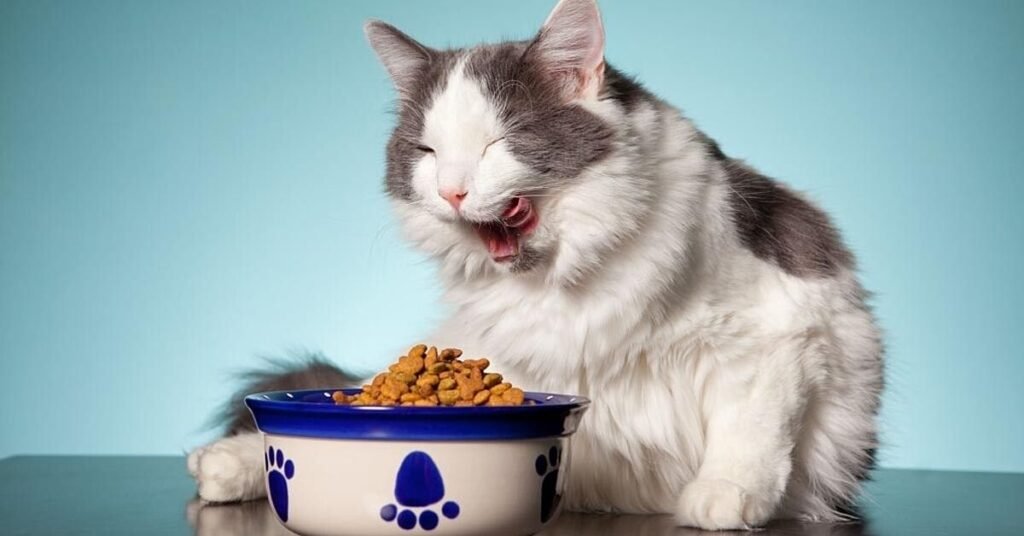
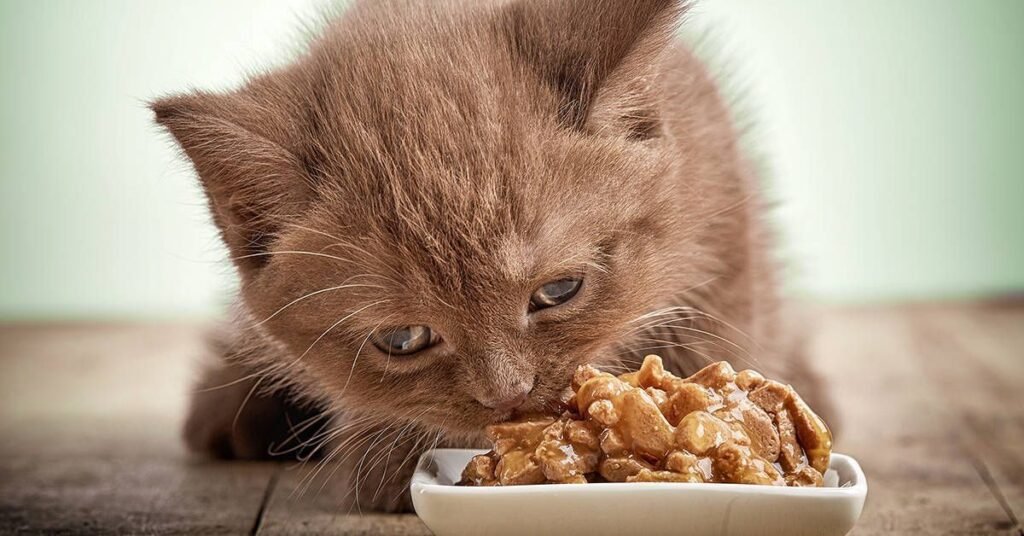
Wet and dry food can both be good choices for kittens. Wet food has more moisture and a soft texture. It can be easier for young kittens to chew and eat.
Dry food is easy to store and serve. It can also provide important nutrients when it is made for kittens. However, kittens should always have fresh water available.
Some owners choose to combine wet and dry food. This gives kittens different textures and flavors. Always choose a balanced food and follow the feeding amount based on your kitten’s age and needs.
Choosing Ingredients
Choosing the right ingredients is important for a kitten’s healthy growth. Look for food with high-quality animal protein. Chicken, turkey, fish, or other meat ingredients can provide useful protein for growing kittens.
Healthy fats are also important in a kitten’s diet. They provide energy and support brain and eye development. Vitamins and minerals help support strong bones, teeth, and a healthy immune system.
Always check the ingredient list before buying kitten food. Choose a balanced formula made for kittens. Avoid foods with unnecessary fillers or ingredients that may not suit your kitten.
Foods to Avoid
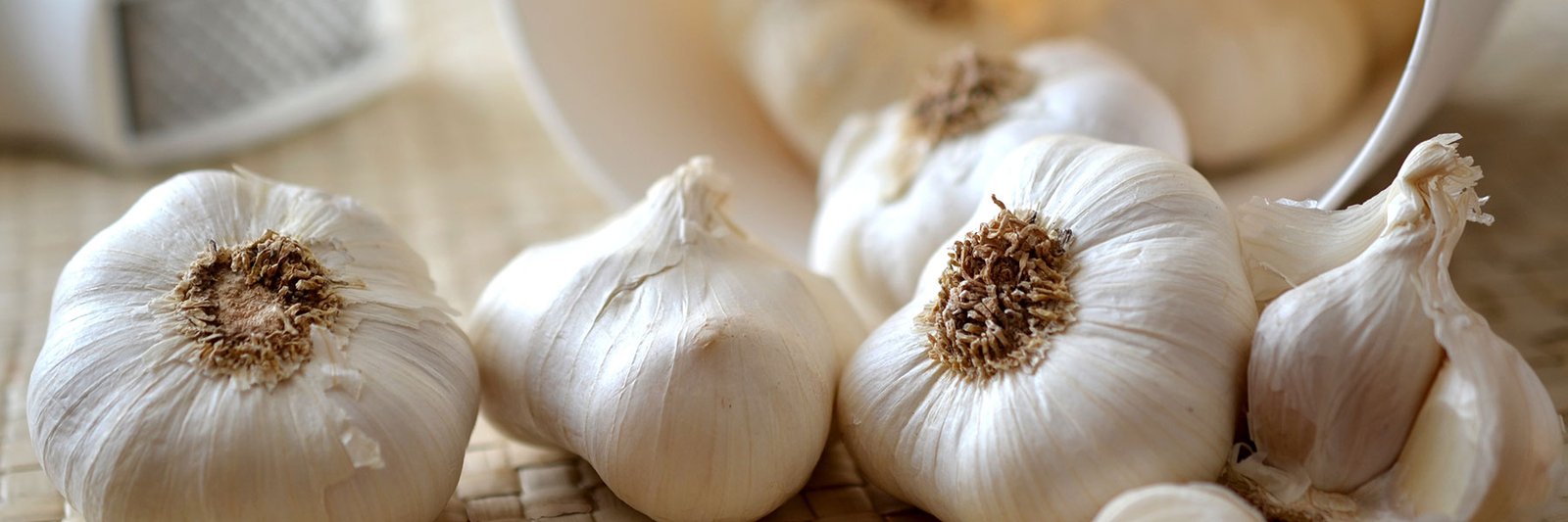
Some foods are not safe for kittens. Chocolate, onions, garlic, grapes, and raisins can be harmful. Therefore, these foods should never be given to a kitten.
Raw meat, raw eggs, and bones can also cause problems if they are not handled safely. Human foods that contain too much salt, sugar, or fat should be avoided. These foods may upset a kitten’s stomach.
Milk and other dairy products may also cause digestive problems in some kittens. Avoid giving kittens food that is spoiled or heavily seasoned. When unsure about a food, check with a veterinarian before feeding it.
Protein and Fats
Protein is an important part of a kitten’s diet. It helps build strong muscles and supports healthy growth. Animal-based protein from meat, chicken, or fish can provide essential nutrients for young kittens.
Fats are also important for growing kittens. They provide concentrated energy for active and playful kittens. Healthy fats can also support brain, eye, and skin health.
A balanced kitten food should contain the right amounts of protein and healthy fats. Too much or too little of either nutrient may not meet a kitten’s needs. Therefore, choose a complete food made specifically for growing kittens.
Essential Vitamins
Vitamins are important for a kitten’s healthy growth. They support the immune system, bones, muscles, and overall development. A balanced kitten food usually provides the vitamins a growing kitten needs.
Vitamin A supports healthy vision, skin, and body functions. Vitamin D helps support strong bones and teeth. Other vitamins also help the body use nutrients and maintain normal growth.
Kittens should get vitamins from a complete and balanced diet. Giving extra vitamin supplements is not always necessary. Therefore, speak with a veterinarian before adding supplements to your kitten’s meals.
Read more for Info: https://swiftsavory.com/food-in-colombia-south-america-a-guide-to-traditional-colombian-dishes/
Newborn Kittens
Newborn kittens need careful attention during their first few weeks. They mainly rely on their mother for food, warmth, and comfort. Mother’s milk gives them the nutrients they need for early growth.
However, some kittens cannot feed from their mother. In this situation, a suitable commercial kitten milk replacer may help meet their nutritional needs. Never use regular cow’s milk as a replacement because it may cause digestive problems.
As kittens become older, they slowly prepare for solid food. During this stage, owners can introduce soft kitten food at the right time. The food should provide enough calories and nutrients to support steady development.
Weaning Stage
Weaning marks the gradual change from mother’s milk to solid food. Kittens usually begin this process when they are several weeks old. At first, they may continue nursing while learning how to eat solid meals.
To begin, offer soft and moist kitten food in small amounts. You can add a little warm water to make the food easier to eat. In addition, give the kitten enough time to become comfortable with the new texture.
Once the kitten starts eating well, slowly reduce the added water. At the same time, continue offering fresh drinking water. Most importantly, choose a complete kitten formula that meets the nutritional needs of growing kittens.
Nutritional Needs
Proper nutrition plays an important role in a kitten’s growth. Kittens develop quickly, so they need enough energy and essential nutrients every day. A balanced diet supports healthy muscles, bones, organs, and immune function.
Protein plays a major role in this process. It helps kittens build and maintain strong muscles as they grow. In addition, healthy fats provide energy and support normal brain and eye development.
Kittens also need essential vitamins and minerals for proper development. For example, calcium and phosphorus help support healthy bones and teeth. Therefore, choose a complete and balanced food that meets the needs of growing kittens.
Portion Sizes
Kittens need suitable food portions to maintain healthy growth. The right amount depends on factors such as age, body size, activity level, and food type. Since young kittens grow quickly, they often benefit from several smaller meals.
First, check the feeding instructions on the food package. These guidelines can help you estimate the right daily amount. However, you may need to adjust portions as your kitten grows or its activity level changes.
Avoid serving very large meals at one time. Too much food may cause digestive discomfort and unnecessary weight gain. Instead, divide the daily amount into suitable meals and provide clean water throughout the day.
Feeding Schedule
A regular feeding routine can help kittens receive enough nutrition during their rapid growth. Younger kittens often need multiple small meals each day. A consistent routine can also make feeding easier for both the kitten and the owner.
As kittens become older, their feeding pattern may change. They may gradually need fewer meals with slightly larger portions. Therefore, check the food label and consider your kitten’s age, weight, and overall growth.
Try to serve meals at similar times each day. Also, keep fresh and clean water available between meals. If your kitten has unusual feeding needs or health concerns, a veterinarian can provide suitable guidance.
Healthy Food Options
Healthy food can give kittens the nutrients they need for strong and active growth. Choose a complete and balanced formula made specifically for kittens. Look for quality animal protein, healthy fats, vitamins, and essential minerals.
Wet food can provide extra moisture and has a soft texture. Therefore, many young kittens find it easy to eat. Dry food also offers balanced nutrition when you choose a formula designed for growing kittens.
Some owners may combine wet and dry food for variety. However, the total daily amount should still match the kitten’s nutritional needs. Always choose age-appropriate food and provide fresh water with every feeding routine.

Common Feeding Mistakes
Giving the wrong amount of food is a common feeding mistake. Too little food may not provide enough energy for growth. On the other hand, excessive portions can contribute to unwanted weight gain.
Another mistake involves offering too many treats or human foods. Some foods that people eat can harm cats or cause digestive issues. Instead, choose treats that are made specifically for kittens and give them in moderation.
Owners should also avoid ignoring their kitten’s water needs. Fresh water should remain available throughout the day. In addition, change food gradually instead of making a sudden switch, as a slow transition can help reduce digestive upset.
Feeding Tips for Kittens
Feed your kitten at regular times to create a simple and consistent routine. Give portions that suit the kitten’s age, size, and activity level. Most importantly, choose a complete and balanced formula designed for growing kittens.
When introducing a new food, make the change gradually. This approach can help your kitten adjust more comfortably. Also, limit treats and avoid foods that may harm cats.
Keep an eye on your kitten’s appetite, weight, and overall growth. These signs can help you notice changes in feeding needs. Finally, provide clean water every day and contact a veterinarian if your kitten needs special dietary care.
| Feeding Tip | Why It Helps |
| Follow a routine | Creates consistent feeding habits |
| Measure portions | Helps support healthy growth |
| Choose kitten formulas | Provides age-appropriate nutrition |
| Offer fresh water | Supports proper hydration |
| Change food gradually | Helps reduce digestive upset |
| Limit treats | Helps control extra calories |
| Avoid unsafe foods | Protects kittens from harmful ingredients |
| Monitor growth | Helps identify changes in nutritional needs |
| Read food labels | Helps you choose suitable formulas |
| Serve fresh meals | Keeps food more appealing and safe |
FAQs About Kitten Food
1. What type of food should kittens eat?
Kittens should eat complete and balanced food that is specially formulated for their growth and development.
2. How many meals does a kitten need each day?
Young kittens often need several small meals throughout the day. Their schedule can change as they grow.
3. Is dry food safe for kittens?
Yes. Kittens can eat dry food when it provides complete nutrition and is specifically made for their age.
4. Can kittens drink regular cow’s milk?
Regular cow’s milk is not a suitable replacement for mother’s milk. It may also cause digestive problems in some kittens.
5. Can kittens eat food made for humans?
Avoid most human foods. Instead, feed kittens balanced cat food and treats suited to their nutritional needs.
Conclusion
Choosing suitable food can make a big difference in a kitten’s growth and development. Growing kittens need enough protein, healthy fats, vitamins, minerals, and calories. Their diet should also match their age and changing nutritional requirements.
A simple feeding routine can make daily care easier. Give suitable portions, introduce new foods slowly, and keep fresh water available. With balanced nutrition and proper care, kittens can develop into healthy, active, and happy cats.
Kitten Food: Best Choices for Every Stage of Growth