Introduction
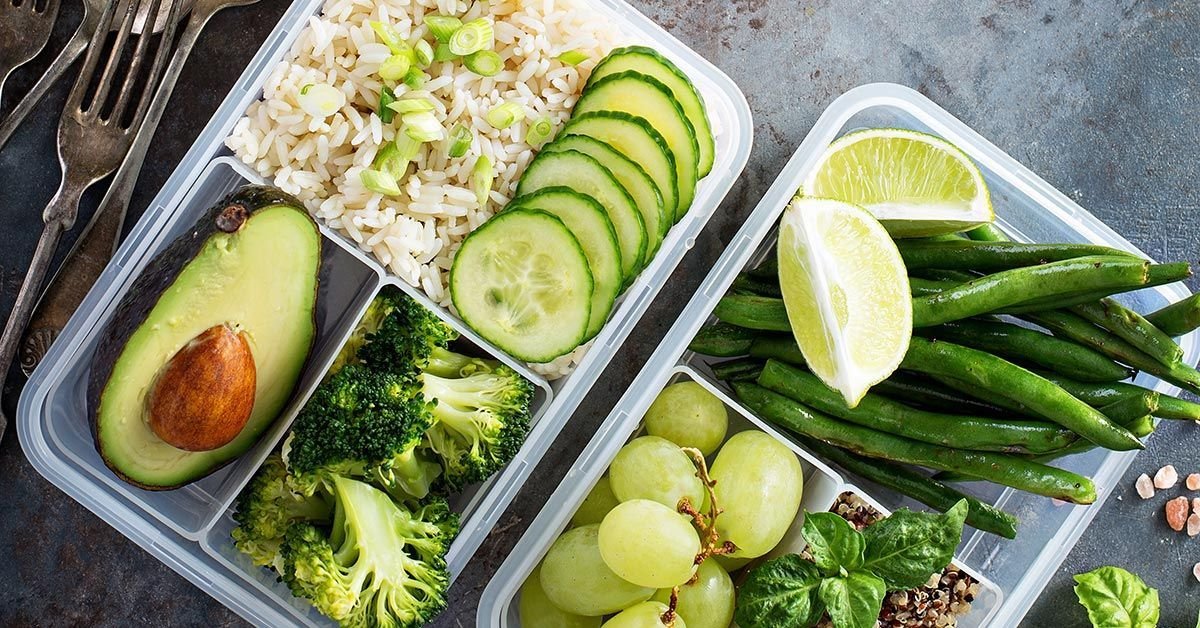
Meal prep containers are reusable boxes that help you store and carry prepared food. They keep meals organized and make portioning easier. You can use them for breakfast, lunch, dinner, and snacks.
The right container can make your meal routine much simpler. A secure lid helps prevent leaks and keeps food protected. Good containers can also save time when you prepare meals on busy days.
This guide explains important features to consider when choosing meal prep containers. You will learn about sizes, materials, cleaning, storage, and useful container features. These tips can help you find options that suit your everyday needs.
What Are Meal Prep Containers?
Meal prep containers are storage boxes made for prepared meals. They help you keep food organized and ready to eat. You can use them at home, work, school, or while traveling.
Manufacturers make these containers from different materials. Common choices include glass, plastic, and stainless steel. Many designs also include secure lids that help protect food from spills.
These containers can make weekly meal planning easier. You can cook several meals in advance and store them for later. As a result, you can spend less time preparing food during busy days.
Why Use Meal Prep Containers?
Meal prep containers help you organize food before you need it. You can prepare several portions in advance and store them safely. This approach can save valuable time during a busy week.
They also make portioning more convenient. You can divide your meals into separate servings before storing them. Therefore, you can manage your food portions more easily and keep your meals organized.
Good containers can also help limit unnecessary food waste. They keep prepared meals protected and easier to store. In addition, you can use them at home, in the office, at school, or while traveling.
Dishwasher-Safe Choices
Dishwasher-safe containers can make cleanup much easier. You can place them in the dishwasher after finishing your meal. As a result, you can reduce the time you spend washing dishes by hand.
However, always read the care instructions before using a dishwasher. Some containers can handle high temperatures, while others may not. Therefore, choose products that clearly state they are dishwasher-safe.
Glass containers often provide a convenient option for simple cleaning. Many quality plastic containers also support dishwasher use. Always check the manufacturer’s instructions to protect the container and extend its useful life.
How to Choose the Right Containers
Start by thinking about how you normally prepare and store meals. Consider the amount of food you usually make and the number of portions you need. Then, choose container sizes that match those needs.
Next, consider the material. Glass offers a sturdy option for home storage, while plastic provides a lighter choice for carrying meals. Also, choose lids that close firmly and create a secure seal.
Finally, check the features that matter most to you. Look for leak-resistant designs, microwave-safe materials, freezer-safe construction, and dishwasher compatibility. Therefore, you can choose containers that make your meal routine easier and more practical.
How to Clean and Store Them
Wash your meal prep containers after every use. First, remove any leftover food and rinse the container. Then, use warm water and mild dish soap to clean it thoroughly.
Before using a dishwasher, check the manufacturer’s care instructions. Some containers can handle high heat, but others require gentle hand washing. Also, clean the lids and seals carefully because food particles can collect around these areas.
Allow the containers to dry fully before storing them. If moisture remains inside, leave the lids open until the containers dry. Finally, stack them neatly in a clean and dry storage area to save space.
Containers for Different Meals
Different meals often need different container styles and sizes. Larger containers work well for complete meals such as rice, pasta, and cooked vegetables. Smaller containers suit snacks, fruit, sauces, and side dishes.
Salads need enough room to keep ingredients from getting crushed. Containers with separate sections can keep vegetables, grains, and proteins apart. For soups and sauces, choose containers with secure lids and strong seals.
You should also consider where you plan to eat your meals. Lightweight containers work well for offices, schools, and travel. Meanwhile, sturdy glass containers can work well for meals you prepare and store at home.
Freezer-Safe Containers
Freezer-safe containers allow you to store prepared meals at low temperatures. They help protect food during freezer storage. You can use them for soups, vegetables, cooked meat, rice, and many other meals.
Before freezing food, make sure the container supports freezer use. Always check the product instructions first. Also, leave some space at the top because food can expand as it freezes.
A secure lid can help protect food from spills and unwanted freezer odors. Clear containers also make stored meals easier to identify. Therefore, freezer-safe containers can help you organize meals and prepare food ahead of time.
Leakproof Container Features
Leakproof containers help prevent messy spills during storage and transportation. They work especially well for soups, sauces, dressings, and other liquid foods. A tight seal keeps the contents inside the container.
When choosing a leak-resistant design, look for strong lids and reliable seals. Some containers use silicone rings to create a tighter barrier. However, always make sure the lid closes completely before carrying the container.
A good container should also feel strong and remain easy to clean. Choose a size that fits your lunch bag, refrigerator, or storage shelf. As a result, you can carry prepared meals with greater confidence.
Microwave-Safe Options
Microwave-safe containers make reheating prepared food much more convenient. You can warm your meal in the same container instead of transferring it to another dish. This can save both time and cleanup.
Always check the label before placing a container in the microwave. Glass often provides a useful option for reheating, while some plastics also support microwave use. However, follow the manufacturer’s instructions for safe heating.
Some containers require you to loosen or remove the lid before heating. This step allows steam to escape and can help prevent pressure from building inside. Therefore, always follow the container’s heating instructions before reheating your meal.
Read more for Info: https://swiftsavory.com/kitten-food-best-choices-for-every-stage-of-growth/
Types of Meal Prep Containers
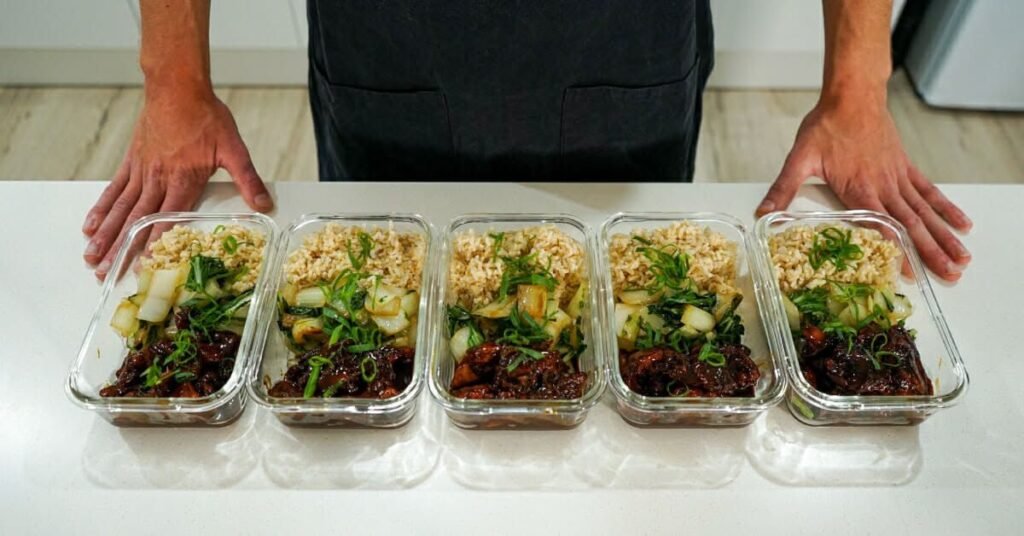
Meal prep containers come in many sizes, materials, and designs. Glass containers offer a durable choice for regular use. Plastic containers provide a lighter option for carrying meals throughout the day.
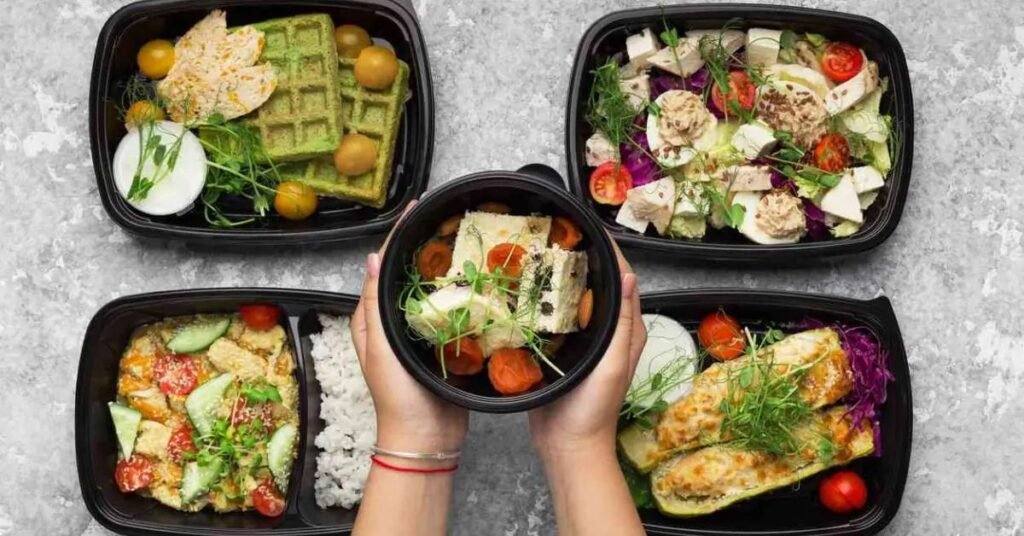
Some containers have separate sections for different foods. These sections help you keep ingredients apart and organize complete meals. Bento-style containers also make it easy to pack several foods in one box.
You can also choose stainless steel or silicone containers. Stainless steel works well when you want strong and reusable storage. Silicone containers offer flexibility and easy packing. Therefore, select a type that fits your meals, storage space, and daily routine.
Best Container Sizes
Choosing the correct container size can improve your meal prep routine. Small containers work well for fruit, snacks, sauces, nuts, and side dishes. Medium containers provide enough room for most lunches and dinners.
Large containers suit bigger portions and meals that contain several ingredients. You can use them for pasta, rice, salads, and family-size meals. However, avoid choosing a very large container for a small serving because it can waste valuable storage space.
Divided containers can also make meal organization easier. They keep different foods in separate sections and help you manage portions. As a result, keeping small, medium, and large containers at home gives you more flexibility.
Glass vs Plastic Containers
Glass and plastic both provide useful options for meal preparation. Glass containers feel sturdy and can support long-term use. Plastic containers weigh less and make transportation easier.
Glass usually handles food odors well and works with many different meals. If the container has a microwave-safe label, you can also use it for reheating. However, glass weighs more and can break when you drop it.
Plastic containers offer more convenience when you carry meals to work, school, or other locations. They usually take up less weight in a bag. Therefore, choose glass when durability matters most, or select plastic when you prefer a lightweight option.
Best Meal Prep Containers
A good container should match the way you prepare, store, and carry food. Look for durable materials, secure lids, and practical sizes. Also, consider containers that you can clean and store easily.
Glass containers work well for people who prepare most meals at home. They provide a strong option for repeated use and can simplify reheating when they support microwave use. Plastic containers, meanwhile, offer greater portability for busy schedules.
Before purchasing a container set, compare its important features. Check the lid design, storage capacity, microwave compatibility, and freezer safety. Ultimately, choose containers that fit your meals, storage area, and everyday routine.
Containers for Portion Control
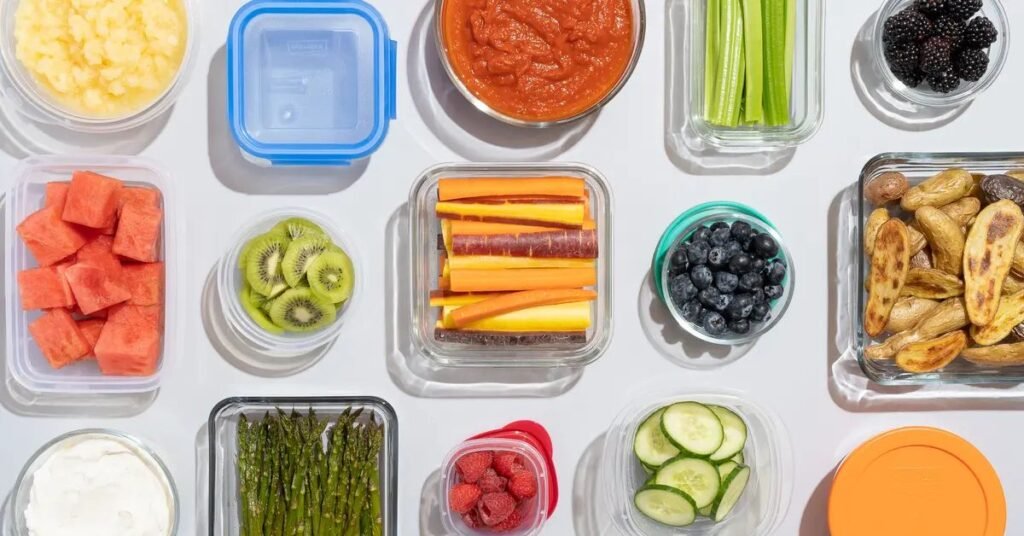
Containers with separate compartments can help you manage food portions. They allow you to divide different ingredients without using several boxes. For instance, you can place vegetables, protein, and grains in different sections.
Choose container sizes based on your normal serving amounts. Small containers work well for snacks and smaller sides. Medium containers can hold a complete lunch or dinner while keeping the food organized.
Portion-friendly containers can also make weekly preparation easier. You can prepare similar servings for several days at once. As a result, you can maintain a more organized meal routine and make daily food choices simpler.
Common Meal Prep Mistakes
Choosing an unsuitable container size can create problems during meal prep. A container that is too large may leave excessive space. In contrast, a small container may not hold enough food. Therefore, select a size that matches your usual serving.
Loose lids can cause another common problem. A poorly sealed container may spill food inside your bag or refrigerator. In addition, never assume that every container works in a microwave or freezer. Always check the manufacturer’s instructions first.
Finally, store prepared food carefully and follow safe food-storage practices. Do not leave perishable food at unsafe temperatures for extended periods. Also, wash your containers after every use. These habits can keep your meal prep routine cleaner and more convenient.
Tips for Better Meal Prep
Plan your meals before you start cooking. Choose simple recipes and prepare several portions at the same time. Then, divide each meal into suitable containers and label them when necessary. This approach can save time and improve organization.
Next, select containers according to the type of food you want to store. Use well-sealed containers for soups, sauces, and other liquid foods. Also, separate ingredients when you want to protect their texture and keep them enjoyable.
| Tip | Main Benefit | Easy Action |
| Plan your meals | Saves preparation time | Select meals before cooking |
| Prepare portions | Keeps servings organized | Divide food evenly |
| Choose suitable sizes | Uses storage space better | Match the container to the meal |
| Secure the lids | Helps prevent spills | Close every lid properly |
| Label containers | Makes meals easy to identify | Add food names or dates |
| Store food properly | Supports safe storage | Follow recommended storage practices |
| Separate ingredients | Helps protect food texture | Use divided containers |
| Clean after use | Keeps containers ready | Wash them after each meal |
| Dry completely | Helps prevent moisture | Air-dry containers before storage |
| Organize containers | Saves cabinet space | Stack containers neatly |
(FAQs)
1. What container size should I use for meal prep?
Medium containers work well for most lunches and dinners. Small containers are useful for snacks, sauces, and side dishes.
2. Is glass better than plastic for meal prep?
Glass provides durability, while plastic offers a lighter and more portable option. Choose the material that fits your daily needs.
3. Can I put meal prep containers in the freezer?
Yes, when the container carries a freezer-safe label. Leave some room at the top because food can expand as it freezes.
4. Can I use meal prep containers in the microwave?
Some containers support microwave heating, while others do not. Always check the label and follow the manufacturer’s instructions.
5. How should I clean meal prep containers?
Wash them with warm water and dish soap after each use. Then, let the containers and lids dry completely before storing them.
Conclusion
The right containers can make meal planning much easier and more organized. Consider the material, size, lid quality, and storage features before making your choice. Both glass and plastic can work well when they suit your routine.
Also, check whether the containers support freezer and microwave use. Choose options that clean easily and fit your available storage space. With suitable containers and good preparation habits, you can create a simpler and more efficient meal prep routine.
Best Meal Prep Containers for Healthy and Easy Meal Planning