Introduction
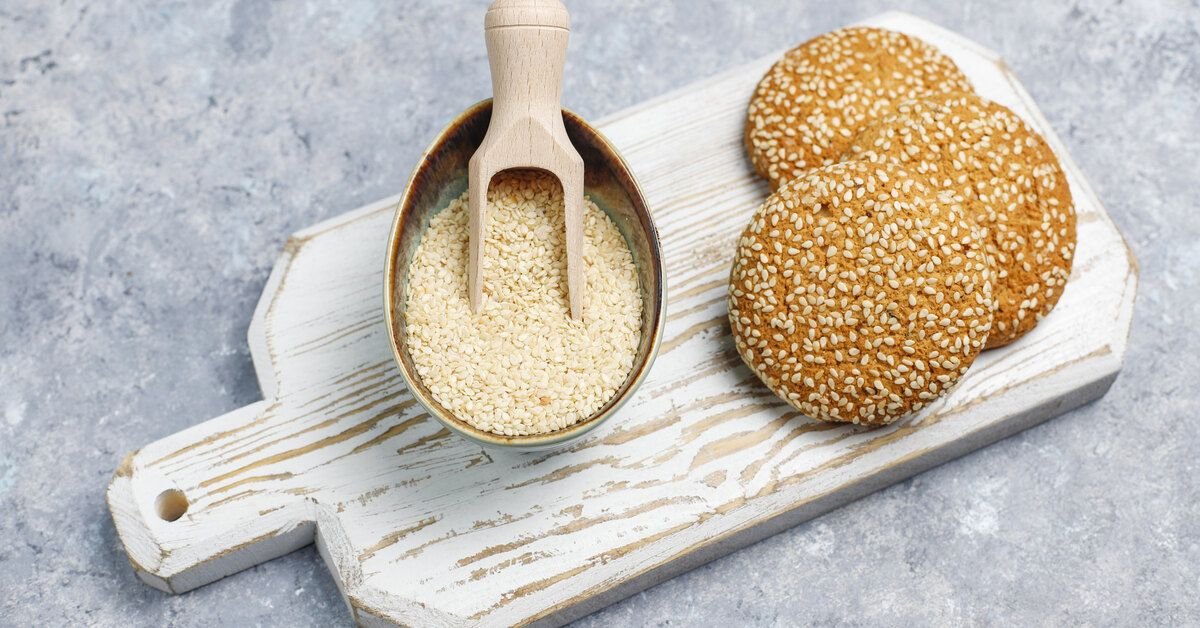
Toasting sesame seeds is a simple cooking process that uses gentle heat to warm raw seeds until they turn golden brown. Raw sesame seeds have a mild, plain taste and a light crunch. When you heat them, the natural oils inside warm up and release a richer flavor.
Have you ever wondered why restaurant dishes with toasted sesame seeds taste so much better than the ones you make at home? Raw seeds can often feel bland and uninspiring on a plate. A quick toast completely changes that by turning a plain ingredient into a flavorful highlight.
We will cover the quick stovetop method, the easy oven approach, and simple tips to prevent burning. By the end, you will know how to get perfectly nutty, crunchy seeds every single time.
What Are Sesame Seeds?
Sesame seeds are tiny, oil-rich seeds that grow in pods on a plant called Sesamum indicum. They are one of the oldest cultivated crops in human history. For thousands of years, people have grown them for their rich taste, natural oil, and high nutritional value.
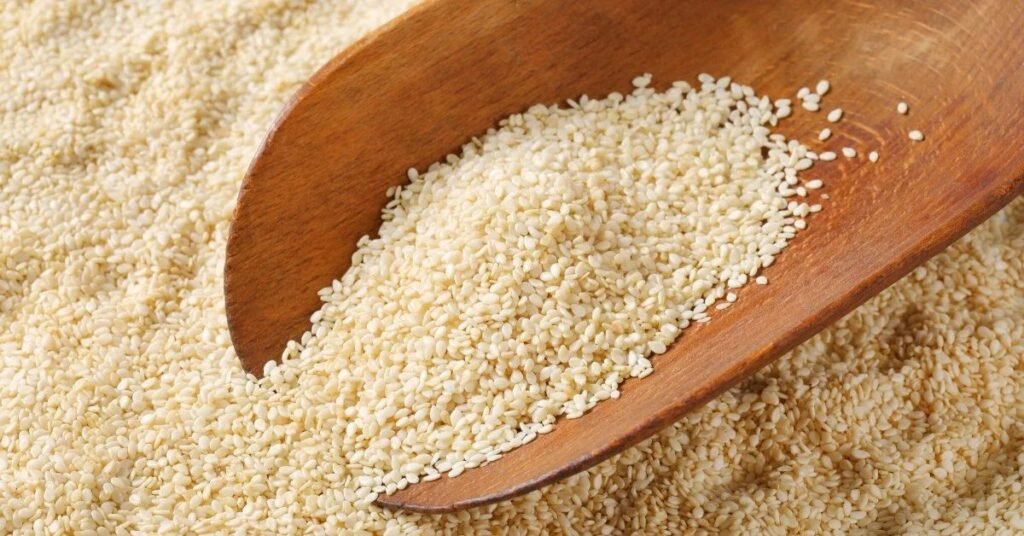
These small seeds come in both hulled and unhulled varieties. Unhulled seeds keep their outer husk, which gives them a crunchier texture and a slightly bitter flavor. Hulled seeds have this outer layer removed, leaving a softer texture and a milder, creamier taste.
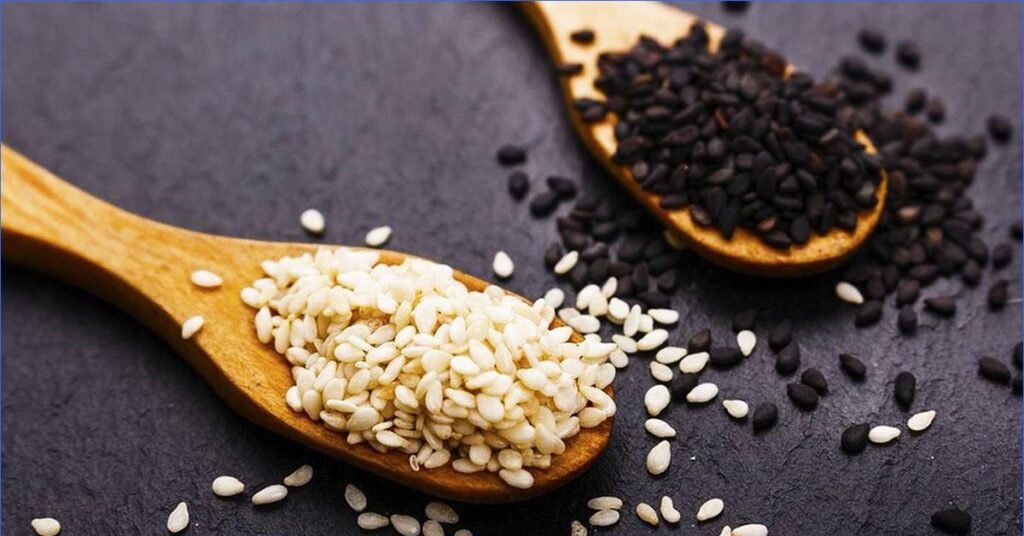
You can find these seeds in natural colors, including white, black, brown, and tan. White seeds are common in baking and everyday cooking. Black seeds offer a stronger, bolder flavor and are often used in specialty dishes or as a striking garnish.
Black, White, and Brown Varieties
Different types of these tiny seeds come with their own distinct colors, flavors, and best uses. White seeds are the most common type you see in grocery stores. They have a mild, sweet, and slightly nutty flavor.
Black seeds have a much stronger and bolder flavor than white ones. They keep their outer skin intact, which makes them extra crunchy and rich in minerals.
Brown seeds fall right in the middle in terms of flavor and appearance. They are usually unhulled, so they carry an earthy taste and a firm texture. You can use them to add a lovely crunch to baked goods, grain bowls, and hot cereal dishes.
Complete Nutritional Breakdown
These small seeds are packed with a surprising amount of essential nutrients. A tiny serving provides a healthy mix of plant-based protein, healthy fats, and dietary fiber. They are also naturally low in carbohydrates, making them a great addition to almost any diet.
They are especially rich in important minerals that your body needs every day. You will get generous amounts of calcium, magnesium, iron, and zinc in every spoon. These key minerals work together to support your bones, boost your energy, and keep your immune system strong.
In addition to minerals, they contain valuable B vitamins and healthy unsaturated fats. These natural fats give you steady energy throughout the day without causing blood sugar spikes. Adding just a small spoonful to your daily meals is an easy way to raise your overall nutrition.
How Heating Unlocks Flavor
Raw seeds usually have a soft crunch and a very mild, plain taste. When you apply gentle heat to them, something amazing happens inside the tiny seeds. The heat warms up their natural oils and draws out a deep, nutty aroma.
This transformation happens because heat triggers a natural chemical reaction. As the seeds warm up, their color slowly shifts from pale to a warm, golden brown. This quick process reduces any raw bitterness and leaves behind a rich, toasted flavor.
Toasting also makes the texture much crispier and more satisfying. You can easily do this in a dry skillet over medium heat for just a few minutes. Just be sure to stir them constantly so they toast evenly without burning.
Stovetop vs. Oven Toasting
You have two main ways to toast these tiny seeds at home. The stovetop method and the oven method are both very easy. Each one gives you great results, but they work a little differently.
Using the stovetop is fast and gives you total control. You just toss the raw seeds into a dry frying pan over medium heat. You have to shake the pan or stir them constantly so they do not burn. Within three to five minutes, they turn golden and smell amazing.
The oven method is best if you want to toast a large batch all at once. You spread the seeds evenly across a baking sheet in a single layer. Pop them into a warm oven for about five to eight minutes. Keep a close eye on them because they can go from golden to burnt very quickly.
Popular Global Culinary Uses
Cooks around the world use these tiny seeds in many creative ways. In Middle Eastern cooking, they are ground into a smooth paste called tahini. This paste is a key ingredient in creamy hummus and savory dips. People also sprinkle whole seeds over fresh pita bread before baking.
In East Asian kitchens, they play a huge role in daily meals. Cooks use them to coat sushi rolls, top warm rice bowls, and finish stir-fried vegetables. They are also toasted and mixed into dipping sauces for a rich, nutty flavor boost.
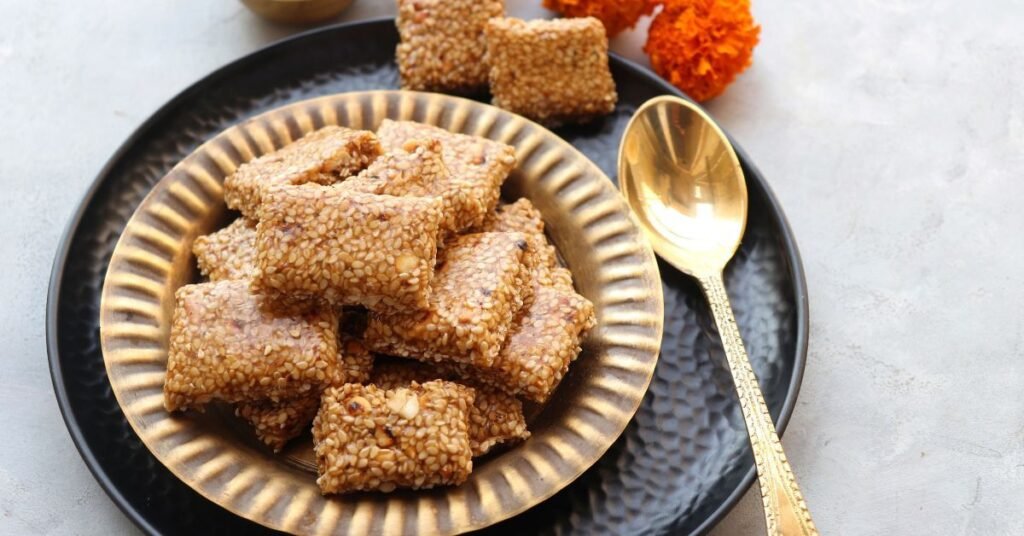
In Western cooking, you will most often see them in bakeries. They add a nice crunch and earthy taste to burger buns, bagels, and artisan breads. You can also toss them into fresh green salads or morning oatmeal for extra texture.
Making Tahini and Oils
Making creamy tahini at home is a surprisingly simple process. You start with hulled seeds and toast them lightly until they smell fragrant. Next, you drop the warm seeds into a food processor and blend them until they break down.
As the blades spin, the natural oils inside the seeds begin to release. You slowly drizzle in a little bit of mild oil, like olive oil or avocado oil, to help smooth things out. Keep blending until the mixture turns into a rich, pourable paste ready for your favorite recipes.
Making oil on a large scale requires heavy industrial machinery. Factories use giant presses to squeeze raw crops under massive pressure. This intense weight forces the natural oils out of the seeds, which are then collected, filtered, and bottled for kitchen use.
Calcium and Bone Health
These tiny seeds are an amazing plant-based source of calcium. Your body needs calcium every single day to build and maintain strong bones. If you do not eat dairy products, adding these seeds to your meals is a smart choice.
They also contain other important bone-building minerals like magnesium and phosphorus. These minerals work together to keep your skeletal system dense and healthy.
Getting enough calcium is important for everyone, especially for growing kids and older adults. A simple spoonful on your yogurt or salad gives your body a helpful mineral boost. It is an easy way to support your long-term physical strength.
Heart and Cholesterol Benefits
These small seeds can do wonders for your heart health. They are packed with healthy unsaturated fats that are good for your cardiovascular system. These good fats help keep your arteries clear and support normal blood flow.
They also contain special plant compounds called lignans and phytosterols. These natural substances play a big role in managing your cholesterol levels. They work by blocking your body from absorbing too much bad cholesterol from your daily diet.
Eating them regularly can help lower your risk of heart disease. You do not need to eat a lot to see the benefits. Just a small daily spoonful sprinkled over your food is enough to give your heart extra support.
Fiber and Digestive Wellness
These tiny seeds are a great source of natural dietary fiber. Fiber is an important nutrient that helps your stomach and intestines work smoothly. When you eat enough fiber every day, your digestion stays on a regular track.
Dietary fiber also helps prevent uncomfortable issues like constipation. It adds bulk to your food and helps waste move easily through your body. This keeps your gut clean and working the way it should.
A healthy gut does more than just digest food properly. Good digestion helps your body absorb all the vitamins and nutrients from your meals. Adding a spoonful of these seeds to your daily routine is an easy way to care for your stomach.
Read more for Info: https://swiftsavory.com/how-to-make-yuca-fries-crispy-seasoned-and-delicious/
Blood Sugar Regulation
These tiny seeds are a smart choice if you want to keep your energy levels steady. They are very low in carbohydrates while being rich in healthy fats and protein. This unique combination helps slow down how fast your body digests food.
When your digestion slows down, sugar enters your bloodstream at a much more even pace. This prevents the sharp spikes and sudden crashes that make you feel tired. It is especially helpful after eating meals that contain starches or natural sugars.
Adding these seeds to your daily meals is a simple way to support balanced energy. You can toss them into your morning oatmeal, salads, or grain bowls. It takes only a few seconds, but it gives your body steady support all day long.
Antioxidants and Inflammation
These tiny seeds are packed with powerful antioxidants that protect your body from harm. Antioxidants fight off unstable molecules called free radicals that can damage your healthy cells.
They also contain special compounds like sesamin, which help reduce inflammation throughout your body. Chronic inflammation is often linked to joint pain, heart problems, and long-term illnesses.
Adding a little sprinkle to your everyday meals gives your immune system a natural boost. You do not need large servings to reap these protective benefits. Just a spoonful on your favorite dishes can go a long way in supporting your body’s defenses.
How to Store Properly
These tiny seeds contain a high amount of natural oils. Because of these rich oils, improper storage can cause them to spoil quickly. Keeping them in the right environment protects their fresh taste and stops them from going bad.
For everyday use, store your seeds in an airtight glass or plastic container. Place the container in a cool, dark, and dry spot like your kitchen pantry. This keeps moisture and heat away, helping them stay fresh for a few months.
If you bought a large bag and want them to last much longer, use your refrigerator or freezer. Put the seeds into a sealed freezer bag or airtight jar. They can stay fresh in the fridge for up to six months and in the freezer for a full year.
Allergies and Daily Limits
These tiny seeds are very healthy, but they are also a common food allergen. Some people can have mild reactions, while others may experience severe allergic symptoms. If you have never tried them before, it is always smart to start with a very small taste.
It is also important to watch how much you eat every day. Because they are rich in natural oils and calories, eating too many at once can cause stomach upset. A standard daily serving of one to two tablespoons is usually plenty to get all their health benefits.
If you have existing food allergies or special health concerns, check with a doctor before adding them to your diet. Enjoying them in moderation is the safest way to get great nutrition without any unwanted side effects.
How to Spot Spoilage
Checking your stored seeds for freshness is very easy before adding them to your food. Fresh seeds have a light, nutty smell and a crisp, dry crunch.
You can also look for clear physical signs of decay on the seeds themselves. Spoiled seeds may turn a dark, uneven color or feel unusually sticky and clumpy due to trapped moisture.
Quick Guide: Fresh vs. Spoiled Seeds
| Feature | Fresh Seeds | Spoiled Seeds | What to Do |
| Smell / Aroma | Mild, nutty, and pleasant | Sour, metallic, or chemical-like | Throw away immediately |
| Taste | Sweet, nutty, and delicate | Bitter, harsh, or stale | Do not consume |
| Texture | Crisp, firm, and dry | Sticky, clumpy, or soggy | Discard the whole batch |
| Color & Appearance | Uniform white, black, or brown | Darkened, discolored, or spotty | Inspect closely; throw out if moldy |
| Moisture Level | Completely dry | Clumpy or showing mold growth | Throw away immediately |
| Pantry Shelf Life | 3 to 6 months (in airtight jar) | Beyond 6 months in warm pantry | Check smell/taste before using |
| Fridge/Freezer Life | Up to 1 year | Past 1 year or thawed/re-frozen | Check for ice/moisture damage |
(FAQS)
1. Can you eat raw sesame seeds?
Yes, you can eat them raw, but toasting them enhances their flavor and makes them easier to digest.
2. What is the difference between black and white sesame seeds?
White seeds are usually hulled and have a milder flavor, while black seeds keep their outer skin, offering a stronger taste and more minerals.
3. Do sesame seeds need to be refrigerated?
Refrigeration is not mandatory, but storing them in the fridge or freezer keeps their natural oils fresh much longer.
4. How much sesame seed should I eat per day?
A daily serving of 1 to 2 tablespoons (about 10–20 grams) is plenty to get their nutritional benefits without extra calories.
5. Is tahini made entirely of sesame seeds?
Yes, traditional tahini is made simply by blending toasted seeds with a small drizzle of oil until smooth.
Conclusion
Adding these nutritious little seeds to your daily meals is one of the easiest ways to support your health. They are simple to cook with, budget-friendly, and packed with valuable vitamins, minerals, and healthy fats.
From boosting your bone strength to protecting your heart, their impressive health benefits make them a true kitchen essential. Start small by sprinkling a spoon over your favorite salads, soups, or stir-fries today.
How to Toast Sesame Seeds: The Ultimate Step-by-Step Guide