Introduction
Easy snacks for kids are simple foods that are quick to prepare and easy to enjoy. They can include fruits, yogurt, sandwiches, vegetables, or homemade treats. The best snacks provide energy and important nutrients for growing children.
Kids often feel hungry between meals. However, parents may struggle to find snacks that are both tasty and healthy. A good snack can keep children satisfied while also making snack time more fun.
This guide shares easy snacks for kids that fit busy daily routines. You will find simple ideas for school, home, and playtime. These snacks use basic ingredients and can be prepared with little effort.
Easy Snacks for Kids
Easy snacks for kids should be simple, tasty, and quick to prepare. Fresh fruits, yogurt, cheese, and whole-grain crackers are great choices. These foods can give children energy between meals.
You can also make fun snacks with simple ingredients. Try fruit skewers, mini sandwiches, veggie sticks, or homemade muffins. Colorful foods can make snack time more exciting for children.
Choose snacks that offer useful nutrients without too much added sugar or salt. Also, keep portions suitable for your child’s age and appetite. With a little planning, healthy snacks can become an easy part of every day.
Healthy Snack Choices
Healthy snacks can give kids steady energy between meals. Fresh fruits are a simple choice. Apples, bananas, berries, and oranges provide natural sweetness and useful nutrients.
Protein-rich foods can also make snacks more filling. Yogurt, cheese, boiled eggs, and hummus are good options. Pairing protein with fruit or whole grains can create a balanced snack.
Try to limit snacks with too much added sugar, salt, or unhealthy fats. Instead, choose fresh and minimally processed foods when possible. Keep a few healthy options ready so kids can enjoy them without waiting too long.
Vegetable Snack Ideas
Vegetables can make healthy and colorful snacks for kids. Carrot sticks, cucumber slices, and bell peppers are easy to prepare. Serve them with hummus or a mild yogurt dip for extra flavor.
You can also turn vegetables into fun snack shapes. Make small veggie sandwiches or add sliced vegetables to whole-grain crackers. Roasted sweet potato bites and baked zucchini pieces are also tasty choices.
Some kids may avoid vegetables at first. Therefore, offer them in different colors, shapes, and textures. Let children help wash or arrange the vegetables to make snack time more enjoyable.
Quick Fruit Snacks
Fresh fruit makes a quick and refreshing snack for kids. Apples, bananas, grapes, strawberries, and oranges are easy choices. Wash and cut the fruit before serving when needed.
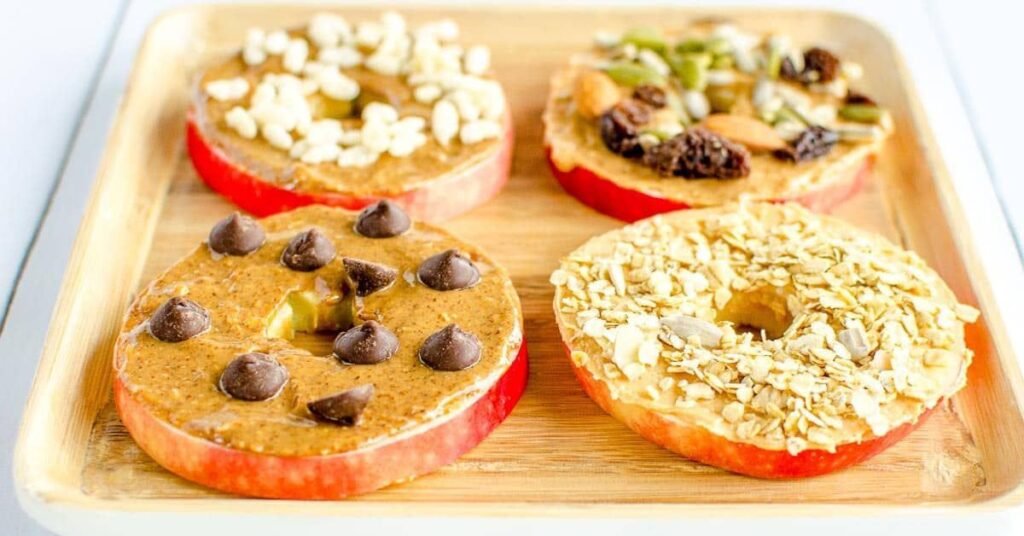
Fruit can also become more fun with simple combinations. Mix different fruits in a colorful bowl or make small fruit skewers. You can also serve apple slices with peanut butter or banana pieces with yogurt.
For busy days, keep ready-to-eat fruit in the refrigerator. Frozen berries and mango pieces can make a cool treat too. Choose fresh or frozen fruit without added sugar for a healthier snack.
Snacks for Picky Eaters
Picky eaters may refuse foods because of taste, texture, or appearance. Start with foods your child already enjoys. Then, slowly introduce new flavors alongside familiar foods.
Make snacks colorful and fun to eat. Try fruit slices, cheese cubes, mini sandwiches, or yogurt with berries. Cutting foods into small shapes can also make them more appealing.
Avoid forcing children to finish a snack they do not like. Instead, offer a few healthy choices and let them choose. With patience and repeated exposure, children may become more comfortable trying new foods.
Savory Snack Ideas
Savory snacks can be a tasty change from sweet treats. Kids may enjoy cheese cubes, mini sandwiches, boiled eggs, or whole-grain crackers. These options are simple and easy to prepare.
You can also make small homemade snacks with vegetables and grains. Baked potato bites, corn cups, and veggie quesadillas are good choices. Add mild herbs or spices to give them extra flavor.
Keep the snacks balanced by adding protein, whole grains, or vegetables. Also, watch the amount of salt in packaged foods. Homemade savory snacks give you better control over the ingredients.
Sweet Snack Ideas
Sweet snacks can be tasty without using too much added sugar. Fresh fruits, yogurt, and homemade smoothies are simple choices. They offer natural sweetness and useful nutrients.
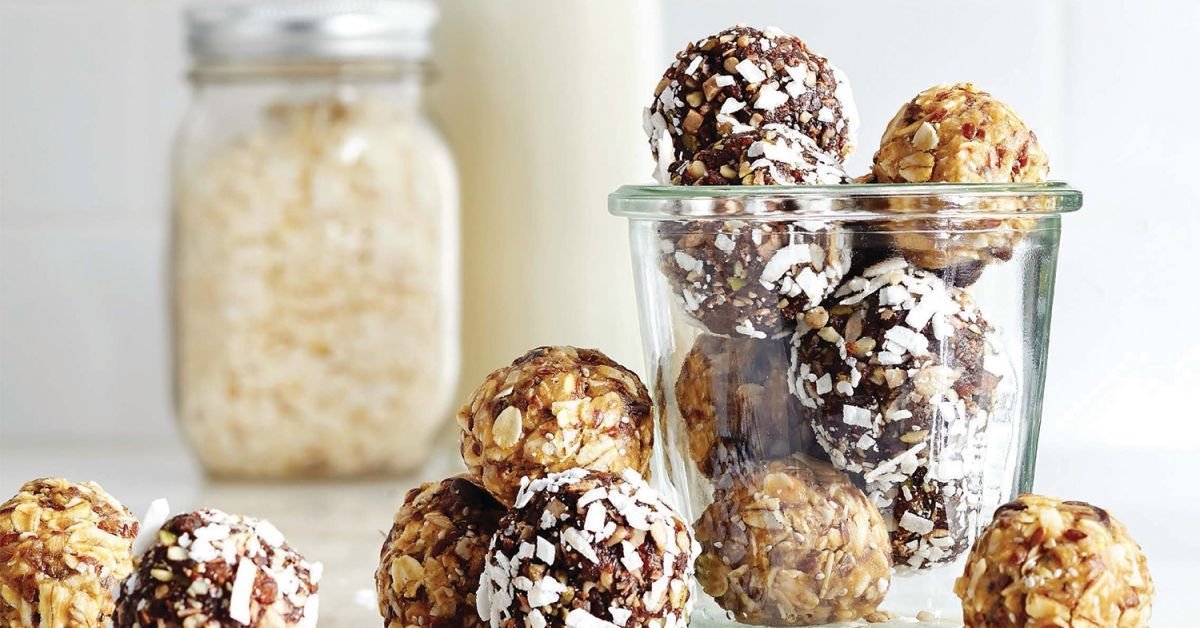
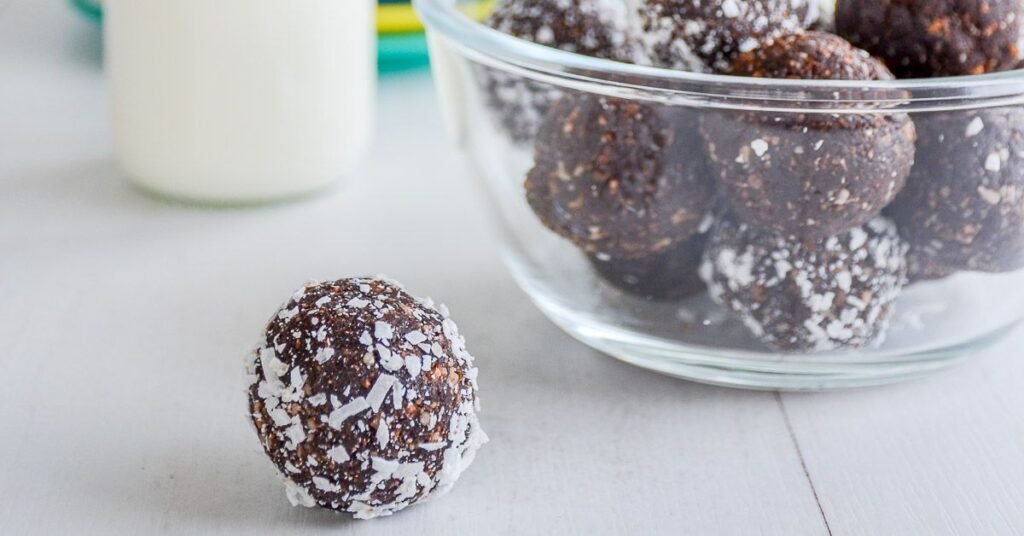
You can also prepare easy treats at home. Try banana slices with yogurt, fruit popsicles, or oatmeal bites. Homemade muffins with fruit can also make a filling snack.
Keep portion sizes suitable for your child. Also, save highly sugary treats for occasional enjoyment. Simple homemade options can make sweet snack time both tasty and balanced.
School Lunch Snacks
School lunch snacks should be easy to pack and simple to eat. Fresh fruit, cheese cubes, yogurt, and whole-grain crackers work well. These foods can give kids energy during a busy school day.
Choose snacks that can stay fresh in a lunch box. Apple slices, grapes, carrot sticks, and homemade oat bars are useful options. You can also add a small sandwich for a more filling snack.
Keep school snacks balanced and colorful. Avoid packing too many sugary or highly processed foods. Instead, offer different healthy choices so children can enjoy variety throughout the week.
No-Cook Snack Options
No-cook snacks save time and require little preparation. Fresh fruits, yogurt, cheese, and whole-grain crackers are easy choices. Simply wash, slice, or serve them when your child feels hungry.
You can also combine a few simple ingredients for more variety. Try yogurt with berries, apple slices with nut butter, or crackers with cheese. These combinations offer different flavors and textures.
Keep some ready-to-eat foods in your kitchen for busy days. Store washed fruits and cut vegetables in clean containers. As a result, you can prepare a quick snack without using the stove or oven.
Protein-Rich Snacks
Protein-packed snacks can keep children satisfied until their next meal. Greek yogurt, cheese, eggs, and cottage cheese are easy options. They also work well for quick daily snacks.
You can pair protein foods with fruits, vegetables, or whole grains. For example, serve hummus with cucumber slices or yogurt with fresh berries. Cheese and whole-grain crackers also make a simple and filling combination.
Always choose foods that your child likes and can eat safely. Serve portions based on their age and hunger. Also, rotate different protein foods to give children more variety.
Fun Sandwich Ideas
Sandwiches offer a quick way to make a filling snack. Use whole-grain bread with fillings such as cheese, egg, chicken, or hummus. Add fresh vegetables for extra flavor and crunch.
Make sandwiches more appealing by changing their shapes. Use simple cutters to create stars, circles, or other fun designs. You can also add colorful vegetables to make the sandwich look more exciting.
Choose mild ingredients for younger children. Cut each sandwich into small pieces that are easy to hold. Change the fillings regularly so kids can enjoy new combinations throughout the week.
Read more for Info: https://swiftsavory.com/best-meal-prep-containers-for-healthy-and-easy-meal-planning/
After-School Snacks
Children often want something to eat after several hours at school. A nutritious snack can give them energy before dinner. Fruit, yogurt, cheese, and whole-grain crackers are quick choices.
Try combining two different food groups for a more satisfying snack. For example, pair banana slices with yogurt or cucumber with hummus. A small sandwich can also work well when children need something more filling.
Keep a few prepared snacks ready for busy afternoons. This saves time when children arrive home hungry. However, serve reasonable portions so they still have room for their evening meal.
Snack Portion Sizes
The right snack amount depends on a child’s age, hunger, and activity. Younger children generally need smaller servings. Start with a modest portion and provide more if they still feel hungry.
A nutritious snack does not need to be large. A small serving of fruit with yogurt can be satisfying. Likewise, a few whole-grain crackers with cheese can provide a simple combination of nutrients.
Avoid serving oversized snacks close to main meals. Large portions may make children too full for lunch or dinner. Encourage kids to pay attention to when they feel hungry or satisfied.
Budget-Friendly Snacks
Nutritious snacks can fit into almost any family budget. Bananas, apples, carrots, and plain popcorn are affordable choices. You can also turn basic pantry foods into simple snacks.
Preparing food at home can lower snack costs. Try homemade oatmeal bites, yogurt with fruit, boiled eggs, or small sandwiches. Buying frequently used ingredients in larger quantities may also help reduce spending.
Make a snack list before grocery shopping. Choose fruits and vegetables that are in season because they can offer better value. Homemade snacks can also reduce the need for costly packaged foods.
Common Snack Mistakes
Giving children too many sugary snacks is a common mistake. Candy, cookies, and sweet drinks can add a lot of sugar to their diet. Instead, offer naturally sweet foods such as fruit more often.
Large portions can create another problem. A heavy snack may reduce a child’s hunger for the next meal. Therefore, begin with a smaller serving and add more when necessary.
Relying heavily on packaged snacks can also limit food variety. Some products contain large amounts of sugar, salt, or unhealthy fats. Choose simple homemade foods more often and keep several nutritious options available.
Smart Snack Preparation
Good preparation can make snack time easier during busy days. Wash fruits and vegetables ahead of time and store them properly. You can also divide cheese, crackers, and other snacks into small portions for quick serving.
Planning snacks for several days can save both time and effort. Include different foods so children do not get bored with the same choices. The table below provides practical snack ideas and simple preparation methods.
| Snack | Main Ingredients | Prep Time | Easy Preparation Method |
| Fruit Mix | Apples, bananas, berries | 5 minutes | Wash and cut the fruit before serving |
| Yogurt Bowl | Plain yogurt, berries, oats | 3 minutes | Add the fruit and oats when ready to eat |
| Veggie Sticks | Carrots, cucumber, bell peppers | 5 minutes | Cut vegetables and store them in sealed containers |
| Cheese & Crackers | Cheese, whole-grain crackers | 2 minutes | Divide both foods into small snack portions |
| Mini Sandwich | Whole-grain bread, chicken, cheese | 7 minutes | Prepare small sandwiches and refrigerate them |
| Egg Snack | Boiled eggs, vegetables | 5 minutes | Cook eggs ahead and keep them refrigerated |
| Oat Bites | Oats, banana, yogurt | 10 minutes | Prepare small bites and store them properly |
| Hummus Plate | Hummus, cucumber, carrots | 5 minutes | Cut vegetables and serve them with hummus |
| Banana Yogurt | Banana, plain yogurt | 3 minutes | Slice the banana and combine it with yogurt |
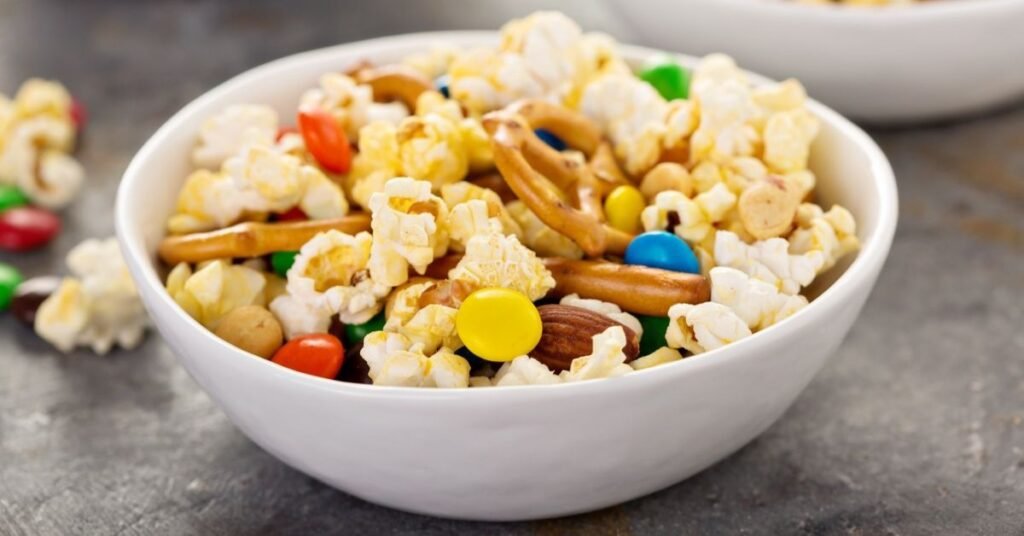
| Homemade Popcorn | Popcorn kernels | 5–10 minutes | Prepare plain popcorn and use only a small amount of salt |
FAQs
1. What snacks are healthy for children?
Fruit, vegetables, yogurt, cheese, whole grains, eggs, and homemade snacks can provide useful nutrients.
2. How many snacks should children eat each day?
Many children may need one or two snacks between meals, depending on their age, appetite, and activity level.
3. What snacks can children take to school?
Fruit, cheese, yogurt, mini sandwiches, and whole-grain crackers are convenient options for lunch boxes.
4. How can parents make snacks more nutritious?
Choose foods with less added sugar and salt. Add fruits, vegetables, whole grains, and protein sources.
5. Can I prepare children’s snacks in advance?
Yes. You can wash produce, portion dry foods, and prepare some homemade snacks ahead of time for easier serving.
Conclusion
Healthy snacking can become simple with a little planning. Fruits, vegetables, yogurt, cheese, whole grains, and other basic foods can create tasty choices. Parents can also adjust portions according to their child’s needs.
Keep snack time interesting by offering different flavors, textures, and food combinations. Limit foods with excessive sugar and salt, and focus on balanced choices. Small changes can help children develop better everyday eating habits.
Easy Snacks for Kids: Healthy and Tasty Ideas for Every Day