Introduction
A steam cooker food steamer is a kitchen appliance that cooks food with hot steam. It gently cooks ingredients without needing much oil. You can use it to prepare vegetables, fish, chicken, rice, and other foods.
Want to make healthy meals without spending too much time in the kitchen? Steaming is a simple cooking method that keeps food light and flavorful. It also helps you enjoy tender meals without heavy sauces or excess oil.
A steam cooker food steamer can make everyday cooking easier. It works well for quick breakfasts, simple lunches, and healthy dinners. In this guide, you will learn about the best foods to cook in a steamer and get useful tips for better results.
What Is a Steam Cooker Food Steamer?
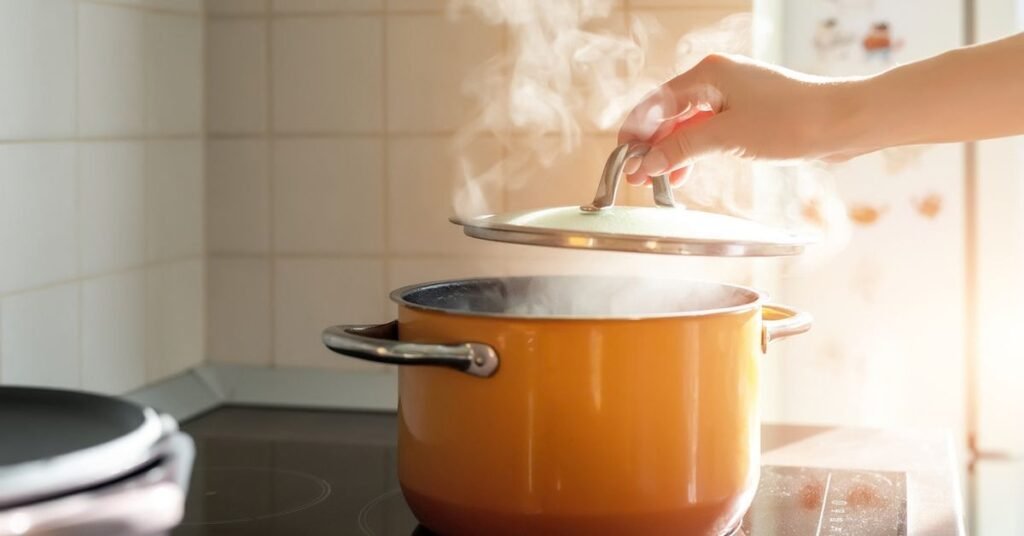
A steam cooker food steamer is a kitchen appliance that cooks food with hot steam. It heats water and turns it into steam. The steam then surrounds the food and cooks it gently.
This cooking method works well for many everyday foods. You can steam vegetables, fish, chicken, rice, and eggs. It uses little or no cooking oil, so it offers a light way to prepare meals.
A steamer also makes cooking simple and convenient. You can place the food inside, add water, and let the steam do the work. As a result, you can prepare tender and flavorful meals with less effort.
How Steam Cooking Works
Steam cooking starts with water. The steamer heats the water until it produces hot steam. The steam rises and surrounds the food inside the cooking basket or tray.
As the steam moves around the food, it transfers gentle heat. This heat slowly cooks the ingredients without placing them directly in the water. Therefore, foods can stay moist while they cook.
The cooking time depends on the type and size of the food. Vegetables may cook quickly, while meat and larger pieces need more time. For better results, cut food into similar sizes and avoid overcrowding the steamer.
Best Foods for Steaming
Steaming is a simple way to cook many everyday foods. Vegetables are especially good for this method. Broccoli, carrots, peas, cauliflower, and green beans can cook well with hot steam. They usually keep a fresh taste and pleasant texture.
Fish and seafood also work well in a steam cooker. Salmon, shrimp, and other seafood can stay moist during cooking. Chicken can also be steamed when you want a tender and light meal. You can season these foods with herbs, spices, or a little lemon for extra flavor.
Many other foods can also go into a steamer. Eggs, potatoes, rice, dumplings, and some grains are useful choices. However, each food needs a different cooking time. Therefore, check the food during cooking to get the texture you prefer.
Vegetables to Steam
Vegetables are some of the best foods to cook with steam. Broccoli, carrots, cauliflower, and green beans are easy choices. Steaming cooks them gently and helps keep their natural taste and texture.
Leafy vegetables can also work well in a steamer. Spinach, kale, and cabbage can become soft without much oil. You can add a little salt, pepper, lemon juice, or herbs after cooking for more flavor.
Cut larger vegetables into similar-sized pieces before steaming. This helps them cook more evenly. Also, avoid filling the basket too much. Leave enough space for the steam to move around the vegetables.
Fish and Seafood
Fish is a great choice for steam cooking. Salmon, cod, tilapia, and other fish can cook gently with hot steam. This method helps the fish stay moist and soft without using much oil.
Seafood also works well in a steamer. Shrimp, crab, mussels, and other seafood can cook in a short time. You can add lemon, garlic, herbs, or mild spices to give the seafood more flavor.
For the best results, place the fish or seafood in a single layer. Avoid overcrowding the steamer basket. Check the food during cooking and make sure it reaches a safe internal temperature before serving.
Chicken and Meat
Chicken can work well in a steam cooker when you want a soft and moist meal. Boneless chicken pieces are easy to steam because they cook more evenly. You can season them with herbs, garlic, pepper, or mild spices before cooking.
Some lean cuts of meat can also be steamed. Thin slices of beef, pork, or other tender cuts may cook well with gentle steam. However, thicker pieces can take longer, so always check the center before serving.
Cut the meat into similar-sized pieces for more even cooking. Leave enough space between the pieces so steam can circulate. Most importantly, use a food thermometer to check that chicken and meat reach a safe internal temperature.
Rice and Grains
A steam cooker can prepare different types of rice and grains. White rice, brown rice, quinoa, and other grains can cook well with steam. This method helps the grains absorb moisture and develop a soft texture.
Rice and grains need the right amount of water for good results. Follow the instructions for your steamer and the specific grain you choose. Brown rice usually needs more time than white rice because it has a firmer outer layer.
Before cooking, rinse rice or grains when needed to remove excess starch and dust. Spread them evenly in the cooking container. After cooking, let them rest for a few minutes and then fluff them gently with a fork.
Eggs and Dumplings
Eggs are easy to prepare in a steamer. You can steam whole eggs or make soft steamed egg dishes. Gentle heat helps the eggs cook evenly and gives them a smooth texture.
Dumplings are another great choice for steam cooking. You can steam vegetable, chicken, or meat dumplings without adding much oil. The hot steam cooks the filling while keeping the outer wrapper soft and tender.
Place eggs and dumplings with enough space between them. This allows steam to move around the food properly. Check the cooking time carefully, as larger dumplings may need more time than smaller ones.
Healthy Cooking Benefits
Steaming offers a light way to prepare everyday meals. It usually needs little or no added oil, which can help reduce extra fat in a dish. You can also cook vegetables without adding heavy sauces or coatings.
Steaming can help foods keep some of their natural taste, texture, and nutrients. Vegetables often stay colorful and crisp when you avoid overcooking them. As a result, simple steamed foods can fit well into a balanced meal.
This cooking method also makes meal preparation easier. You can cook several ingredients with one appliance and avoid messy frying pans. Therefore, a steamer can be useful for people who want simple, lighter, and convenient meals.
Steam Cooking Times
Steam cooking times depend on the type and size of the food. Small vegetables usually cook faster than large pieces. For example, chopped carrots may need less time than whole potatoes or large cauliflower pieces.
Fish and seafood often cook in a short time because they are delicate. Chicken and meat usually need more time to cook safely. Rice, grains, and dumplings can also require different cooking times based on their size and type.
For better results, check the food near the end of the cooking time. Use a fork to test vegetables and a food thermometer for meat or poultry. Also, avoid opening the steamer too often because escaping steam can increase the cooking time.
Read more for Info: https://swiftsavory.com/durham-food-hall-top-food-choices-for-every-taste/
Choosing the Right Steamer
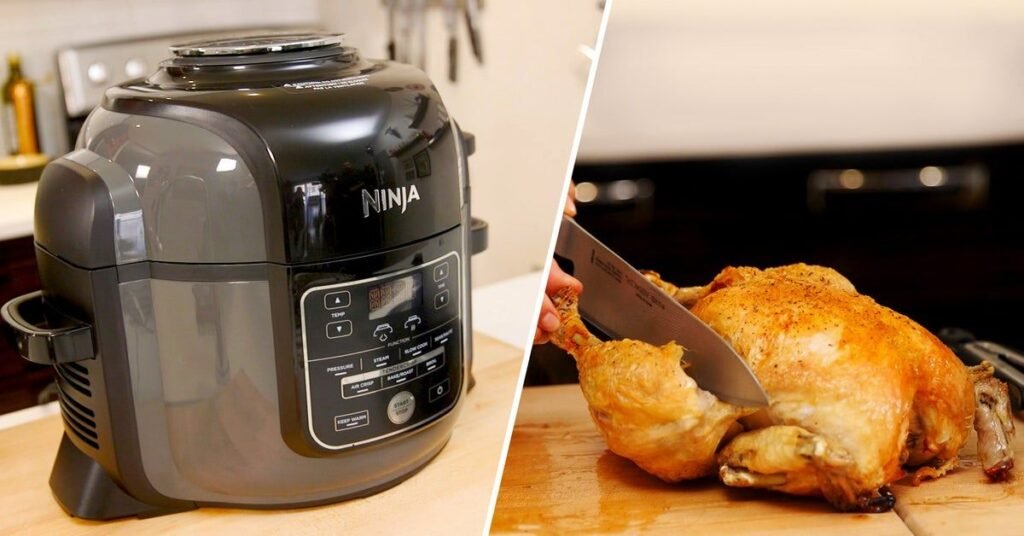
Choosing the right steamer depends on your cooking needs. Think about how much food you usually prepare at one time. A small steamer can work well for one or two people, while a larger model suits families.
You should also consider the type of steamer. Electric steamers offer simple controls and useful cooking settings. Stovetop steamers are easy to use and can work with regular pots. Both options can prepare healthy steamed meals.
Look for a steamer made from strong and easy-to-clean materials. A clear lid can help you check the food without releasing much steam. Also, choose a model with a stable base, comfortable handles, and enough space for your favorite foods.
Electric vs Stovetop Steamers
Electric steamers are convenient for everyday cooking. They usually have simple controls and built-in heating elements. You can add water, place the food inside, and set the cooking time. Some models also offer multiple steaming levels.
Stovetop steamers work with a regular pot and a steaming basket or insert. They use heat from your stove to produce steam. This option is simple and does not need a separate electrical appliance. It can also work well when you already have suitable cookware.
Both types can cook vegetables, fish, chicken, rice, and other foods. Electric models may suit people who want more convenience and automatic settings. Stovetop models can be a good choice for simple cooking and easy storage.
Common Steaming Mistakes
One common mistake is adding too little water to the steamer. The water can run out before the food finishes cooking. Always add enough water and check the level when cooking for a longer time.
Overcrowding the steamer can also cause problems. Too much food blocks the steam from moving freely. Instead, leave some space between the pieces so the hot steam can reach them evenly.
Another mistake is cooking food for too long. Overcooked vegetables can become soft and lose their pleasant texture. Therefore, check the food near the end of the cooking time and remove it when it reaches the texture you want.
Cleaning and Maintenance
Clean your steamer after each use to keep it fresh and ready for the next meal. First, unplug an electric steamer and let it cool completely. Then, remove the trays, basket, and lid and wash them with warm water and mild dish soap.
Food residue can build up if you leave the parts dirty for too long. Pay attention to small holes and corners where food particles may collect. Rinse each part well and dry it before putting the steamer back together.
You should also check the water tank and heating area regularly. Mineral deposits can build up when you use hard water. Follow the manufacturer’s cleaning instructions and descale the appliance when needed to help it work properly.
Safe Steaming Practices
Always use your steamer on a stable and heat-resistant surface. Keep the appliance away from children while it is working. Hot steam can cause serious burns, so open the lid carefully and keep your face and hands away from the escaping steam.
Use enough water for the full cooking time. Never let an electric steamer run without enough water. Also, avoid touching hot trays or baskets with bare hands. Use oven mitts or heat-resistant gloves when removing cooked food.
Cook meat, chicken, fish, and seafood until they reach a safe internal temperature. Keep raw and cooked foods separate to reduce the risk of contamination. Finally, clean the steamer after use and check the appliance regularly for damaged parts.
Tips for Better Results
A few simple steps can improve your steaming results. Cut food into similar sizes so each piece cooks evenly. Do not overcrowd the basket, because steam needs enough space to move around the food.
Season food before or after steaming based on the dish you are making. Herbs, garlic, lemon juice, and mild spices can add plenty of flavor. Check the food near the end of the cooking time to avoid overcooking.
| Tip | What to Do | Why It Helps |
| Cut food evenly | Make pieces similar in size | Helps food cook at the same rate |
| Avoid overcrowding | Leave space between pieces | Allows steam to circulate properly |
| Use enough water | Check the water level before cooking | Prevents the steamer from drying out |
| Preheat when suitable | Let the water produce steam first | Starts cooking more quickly |
| Season the food | Add herbs, spices, or lemon | Improves flavor |
| Check cooking time | Test food near the end | Helps prevent overcooking |
| Keep the lid closed | Avoid opening it too often | Keeps heat and steam inside |
| Arrange food properly | Place larger pieces lower or where heat is strongest | Supports more even cooking |
| Use fresh ingredients | Choose fresh vegetables, fish, and other foods | Gives better taste and texture |
| Handle hot food carefully | Use heat-resistant gloves or tools | Helps prevent burns |
(FAQs)
1. What foods can you cook in a steam cooker food steamer?
You can steam vegetables, fish, seafood, chicken, eggs, rice, grains, dumplings, and potatoes.
2. Is steaming a healthy cooking method?
Yes, steaming usually needs little or no added oil and can help keep the natural taste and texture of many foods.
3. How much water should I use for steaming?
Use enough water to produce steam for the full cooking time, but keep the water below the food.
4. Can you steam chicken and meat?
Yes, you can steam chicken and some lean cuts of meat. Always check that they reach a safe internal temperature.
5. How do you clean a food steamer?
Let the steamer cool first, then wash removable parts with warm water and mild dish soap. Clean mineral buildup when needed.
conclusion
Steaming is a simple way to prepare many everyday foods. You can cook vegetables, fish, chicken, rice, eggs, and dumplings with gentle steam. With the right cooking time and proper preparation, meals can stay tender and flavorful.
A good steamer can also make daily cooking easier. Choose a model that fits your needs and keep it clean after each use. Follow safe steaming practices and avoid common mistakes for better results every time.
Steam Cooker Food Steamer: Best Foods to Cook at Home