Introduction
Potassium is an essential mineral that helps your heart beat and keeps your muscles working properly. Your body needs it every day to function smoothly. However, having too much potassium in your blood—a condition called hyperkalemia—can become dangerous.
Have you ever wondered if the healthy foods on your plate could actually be harming you? It is easy to assume that all fruits and vegetables are always good for you.
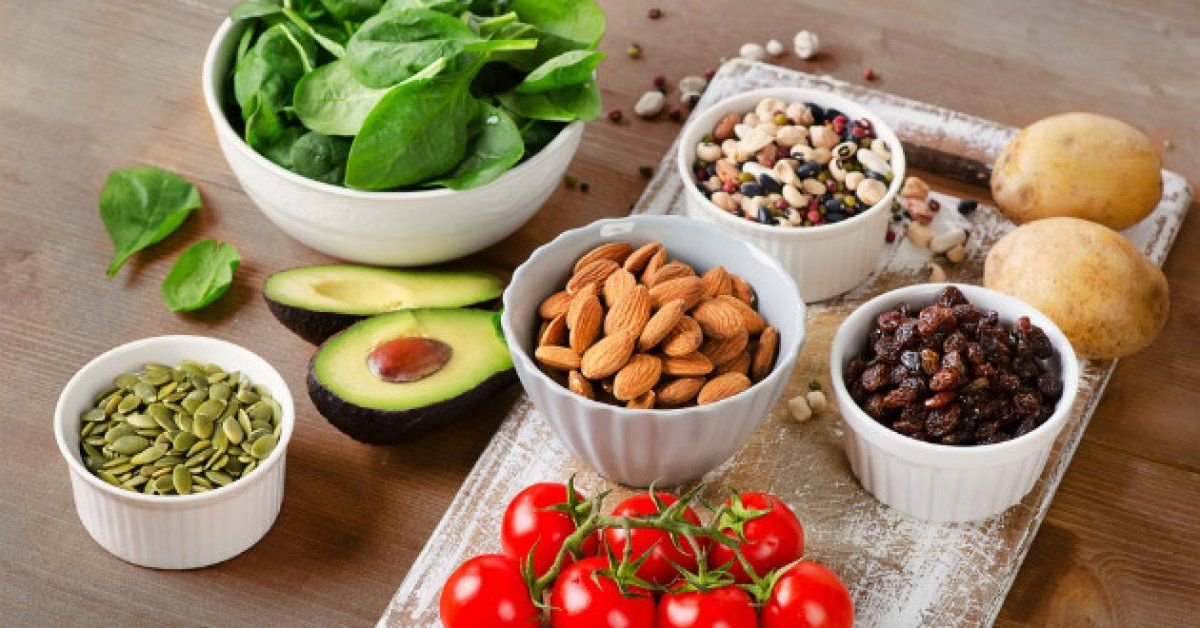
Knowing which high-potassium foods to avoid is one of the easiest ways to take control of your diet. Certain fruits, vegetables, and everyday staples carry much higher levels of this mineral than you might realize.
How Potassium Works in Your Body
Potassium is a vital mineral that your body relies on every single day. It acts like an electrical messenger, helping your nerve signals travel smoothly from your brain to your muscles. Without enough of it, your body cannot communicate with itself effectively.
One of its most important jobs is keeping your heart beating at a regular rhythm. It works closely with sodium to balance the fluid levels inside and outside your cells. This balance helps regulate blood pressure and prevent muscle cramps during everyday activities.
Under normal conditions, your kidneys work around the clock to balance your potassium levels. They automatically keep what your body needs and filter out any excess through your urine.
Risks of Elevated Potassium Levels
Having too much potassium in your blood is a condition known as hyperkalemia. When levels rise above normal, your body starts sending warning signs. You might feel sudden muscle weakness, numbness, or a tingling sensation in your hands and feet.
The biggest danger of elevated potassium is how it affects your heart. Potassium controls the electrical signals that keep your heart beating steadily. Extra potassium disrupts these signals, causing your heart to beat irregularly or skip beats.
Most healthy kidneys easily remove extra potassium from the body. However, if your kidneys are damaged or if you take certain medications, potassium can quickly build up to unsafe levels. That is why tracking your intake is so important if you are at risk.
High-Potassium Fruits to Limit
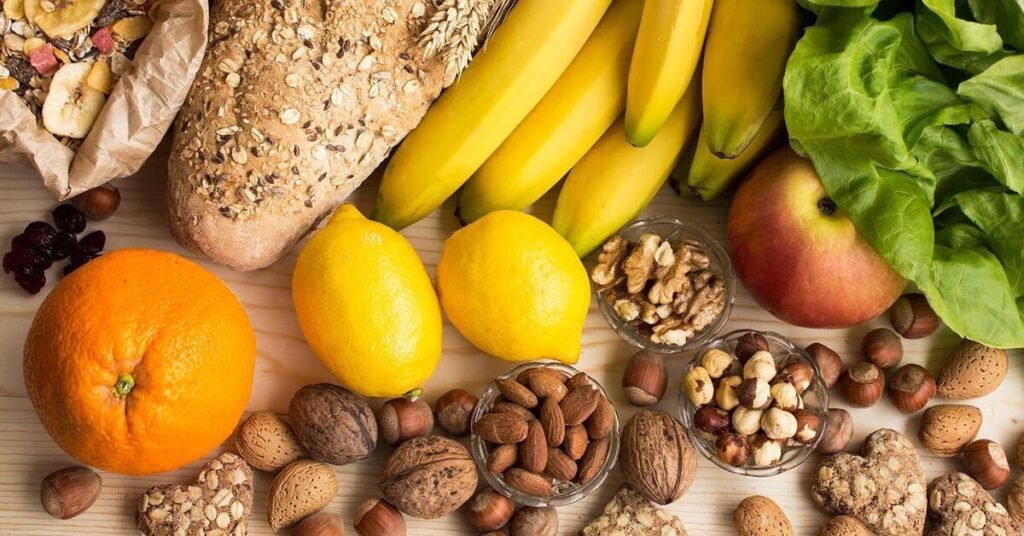
Fruit is a healthy part of any daily diet, but not all fruits are safe for everyone. Some popular choices pack a heavy mineral punch that can surprise you. Bananas are famous for this exact reason, but they are far from the only ones on the list.
Oranges and orange juice are also very high in potassium. Dried fruits like raisins, prunes, and dates concentrate the mineral even further as the water leaves them. Cantaloupe, honeydew melon, kiwi, and avocados can also push your daily numbers up much faster than you might expect.
You do not have to give up fruit entirely, but portion control is essential. Swapping out high-potassium options for safer picks like apples, berries, or grapes lets you enjoy a sweet treat without overloading your body.
Vegetables Rich in Potassium
Vegetables form the backbone of a healthy diet, but certain garden favorites hold surprisingly high amounts of potassium. Potatoes, especially when eaten with the skin on, are among the biggest sources.
Tomatoes and products made from them, like paste, sauce, and salsa, are another major hidden source. Beet greens, Swiss chard, and cooked beans or lentils bring high levels of potassium to the table as well.
Fortunately, simple kitchen habits can help you manage these vegetables safely. Peeling potatoes and boiling them in plenty of water—then throwing that water away—can pull out a lot of the mineral before you eat them.
Dairy Products and Potassium
Dairy products are famous for building strong bones with calcium, but they also contain significant amounts of potassium. Regular cow’s milk, buttermilk, and chocolate milk pack more of this mineral than many people realize.
Yogurt and processed cheeses can also contribute to your overall intake. While a serving of yogurt is great for your digestion, plain and flavored varieties both hold steady mineral counts.
You do not necessarily have to cut all dairy out of your life. However, reading nutrition labels carefully helps you track how much potassium you are actually consuming.
Legumes, Beans, and Lentils
Legumes, beans, and lentils are packed with plant-based protein and fiber. They are staples in many healthy kitchens around the world. However, they also contain very high levels of potassium.
Black beans, pinto beans, chickpeas, and soybeans are just as potent. Even foods made from them, like hummus or soy milk, carry hidden amounts of potassium. If you eat these items regularly, your daily mineral total can shoot up very fast.
You can still enjoy beans and lentils if you prepare them carefully. Soaking dry beans for several hours and pouring out the soaking water removes a lot of the potassium. Rinsing canned beans thoroughly before cooking also helps lower the mineral content.
Whole Grains vs. Refined Grains
Whole grains are famous for being packed with fiber and nutrients. Foods like brown rice, whole wheat bread, and oatmeal are staples in many healthy diets. However, they also retain natural minerals that refined grains lose during processing.
Refined grains go through a milling process that strips away the outer layers of the grain. White rice, white bread, and regular pasta lose a lot of their natural vitamins and minerals during this step. Because of this, refined grains naturally have a much lower potassium content.
This creates a tricky choice for your daily meals. Whole grains are better for your overall nutrition, but high-potassium diets require careful monitoring. Knowing the difference helps you pick the right grains to keep your mineral levels safe.
Nuts, Seeds, and Dried Fruits
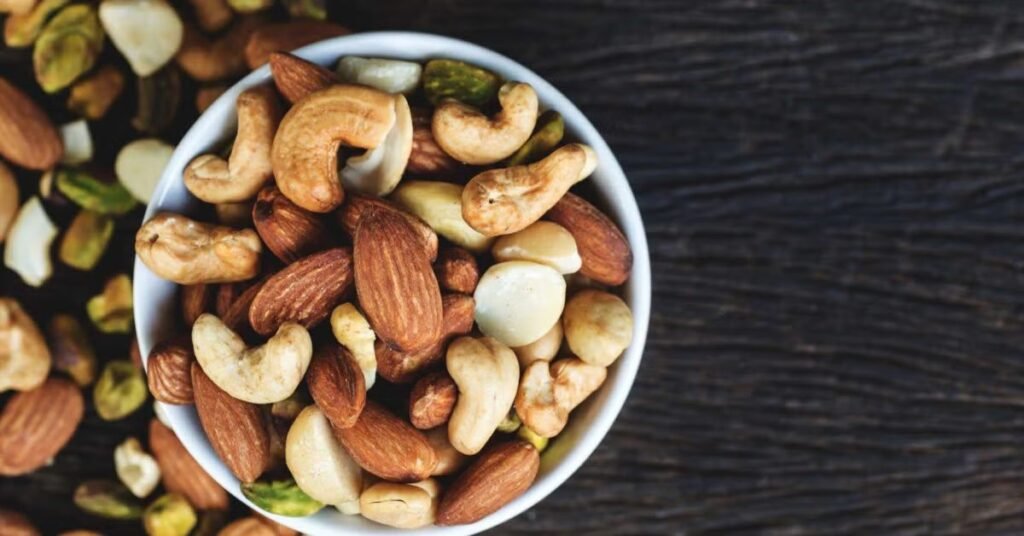
Nuts and seeds make popular, healthy snacks, but they pack a heavy amount of potassium into tiny servings. Almonds, walnuts, pistachios, and sunflower seeds contain high concentrations of this mineral.
Dried fruits present a similar problem for your daily mineral intake. When fresh fruits like grapes, plums, and apricots lose their water content, their natural nutrients become highly concentrated.
You can still enjoy crunchy snacks and sweet treats by making smart choices. Swapping dense nuts for low-potassium options like popcorn or berry snacks keeps your diet interesting.
Processed Foods & Salt Substitutes
Processed and packaged foods often hide ingredients that can surprise you. Food manufacturers use various additives and chemical preservatives to improve flavor and shelf life in canned soups, frozen meals, and snack bars.
Salt substitutes present an even bigger hidden danger for your health. When doctors tell people to cut back on sodium, many switch to salt alternatives to keep their food tasting good.
Checking nutrition labels closely helps you avoid these invisible traps. Look for words like potassium chloride or potassium sorbate in the ingredient list.
Read more for Info: https://swiftsavory.com/loaded-fries-101-the-best-toppings-sauces-and-cheese-combos/
High-Potassium Drinks to Watch
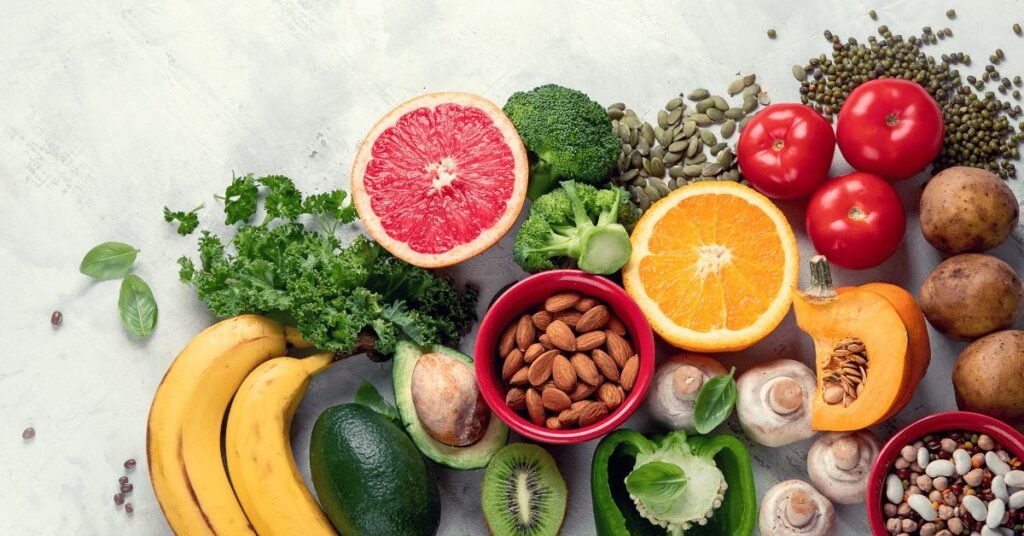
What you drink can raise your potassium levels just as quickly as what you eat. Liquids digest rapidly, allowing your body to absorb minerals within minutes. Beverages often slip past our daily health tracking because we do not think of liquids as heavy food sources.
Coconut water and fruit juices are some of the biggest culprits. Coconut water contains a massive dose of natural potassium per serving. Similarly, 100% orange juice, prune juice, and tomato juice carry high mineral levels directly into your bloodstream with every sip.
Sports drinks and vegetable juices can also pose silent risks to your health. Many energy drinks add extra electrolytes, including potassium, to help athletes recover after workouts.
Smart Low-Potassium Food Swaps
Changing your diet does not mean you have to give up delicious meals. Smart food swaps let you enjoy your favorite plates while keeping your mineral levels safe. Instead of reaching for a high-potassium snack, you can easily substitute it with a safer, low-potassium option.
For example, you can swap out bananas and oranges for crisp apples, juicy berries, or refreshing grapes. If you love potatoes, try replacing them with white rice or cauliflower for your side dish.
Making these simple switches protects your health without making meals feel boring. Small changes add up over time to keep your body safe and balanced. Planning your swaps ahead of time makes grocery shopping and daily cooking much easier.
Cooking Methods to Lower Potassium
Simple kitchen habits can help you remove a lot of potassium from your food. Certain cooking techniques draw the mineral out before it ever reaches your plate. These methods work especially well for vegetables like potatoes, sweet potatoes, and root crops.
Peeling and soaking your vegetables makes a big difference. Slice or cube your vegetables and let them sit in a large bowl of warm water for several hours. This simple step pulls out a large portion of the natural potassium trapped inside the food.
Boiling is another powerful way to lower mineral content. Cook your vegetables in a large pot with plenty of water, and make sure to throw that water away completely when they finish cooking.
Who Needs a Low-Potassium Diet?
Not everyone needs to worry about the amount of potassium they eat every day. Healthy kidneys automatically balance your mineral levels without any extra effort on your part.
However, people with chronic kidney disease need to monitor their mineral intake very carefully. When kidneys become damaged, they lose their ability to filter waste and extra minerals properly.
Certain medications and health conditions can also affect how your body handles potassium. If your doctor tells you to watch your levels, paying close attention to your daily diet is essential.
Tips for Daily Meal Planning
Planning your meals ahead of time makes following a low-potassium diet much easier. Start by mapping out your breakfast, lunch, and dinner at the beginning of the week. This simple step stops you from making rushed food choices when you feel hungry.
Keep a list of your favorite safe foods close to your kitchen counter. Check ingredient labels carefully every time you buy packaged items. Prepping your meals at home gives you complete control over every single ingredient on your plate.
| Meal Time | High-Potassium Food to Avoid | Safe Low-Potassium Alternative | Quick Preparation Tip |
| Breakfast | Bananas and orange juice | Fresh apples or berries | Slice fresh fruit over white toast |
| Lunch | Whole wheat bread sandwich | White bread with lean chicken | Use white bread and skip tomatoes |
| Dinner | Baked potato with skin | White rice or cauliflower mash | Boil and drain vegetables thoroughly |
| Snack | Handful of almonds or raisins | Plain popcorn or grapes | Measure out small, safe portions |
Frequently Asked Questions
Q1: What is considered a high-potassium level in the blood?
A normal blood potassium level is usually between 3.5 and 5.0 mEq/L. Any reading above 5.0 mEq/L is considered high (hyperkalemia) and requires medical attention.
Q2: Can cooking lower the potassium content in high-potassium vegetables?
Yes, peeling, soaking, and boiling vegetables in plenty of water—then discarding the liquid—can significantly reduce their potassium levels.
Q3: Is plain coffee high in potassium?
Black coffee has a relatively low potassium content in small amounts, but drinking multiple cups or adding milk and cream can quickly increase your daily intake.
Q4: Why are salt substitutes dangerous for people on a low-potassium diet?
Most salt substitutes replace sodium chloride with potassium chloride, which introduces a concentrated dose of potassium that can rapidly spike blood levels.
Q5: How can I tell if a packaged food contains hidden potassium?
Check the nutrition label and ingredient list for additives like “potassium chloride,” “potassium citrate,” or “potassium sorbate.”
Conclusion
Managing your potassium intake is one of the most effective ways to protect your overall health, especially if you have sensitive kidneys. By learning which foods, drinks, and additives carry high levels of this mineral, you can make smarter decisions every single day.
Staying healthy does not mean giving up flavor or variety in your daily meals. Making simple food swaps, using smart cooking techniques, and planning your menu ahead of time keeps your diet balanced and enjoyable.
High-Potassium Foods to Avoid: A Complete Guide to Protecting Your Health