Introduction
Malaysia is a true food paradise. Authentic Malay food in Malaysia is known for its rich flavors, fragrant spices, and fresh local ingredients. It combines traditional cooking methods with a balance of sweet, spicy, salty, and sour tastes.
Have you ever wondered what makes street food stalls in Kuala Lumpur or local markets in Kelantan smell so irresistible? The secret lies in fresh herbs like lemongrass, galangal, and turmeric mixed with rich coconut milk.
“The Ultimate Guide to Authentic Malay Food in Malaysia” is designed to help you explore these iconic dishes with ease. You will learn about key ingredients, regional specialties, and top places to eat.
Essential Herbs and Spices
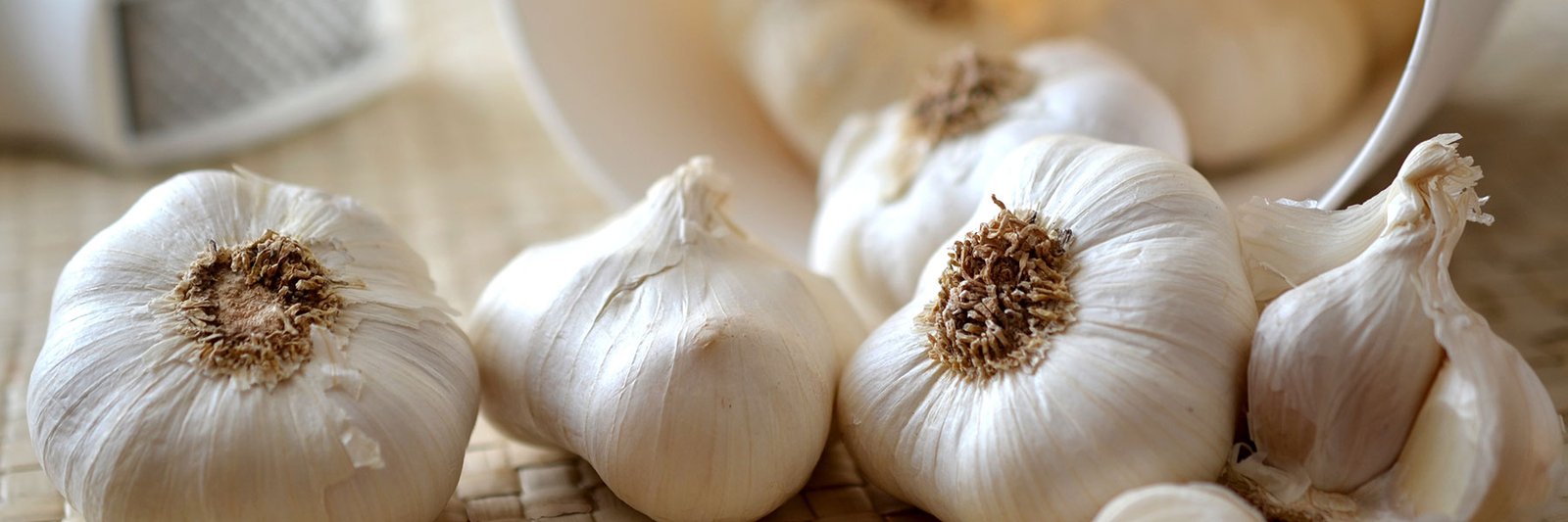
Aromatic herbs and spices form the backbone of everyday Malay cooking. Cooks use fresh roots like lemongrass, galangal, turmeric, and ginger to create vibrant flavor bases. They crush these ingredients daily on stone slabs or in mortars to release their natural oils and intense aromas.
Leafy herbs also play a crucial role in enhancing every meal. Kitchens frequently use kaffir lime leaves, turmeric leaves, and wild ginger flower to add fresh layers of flavor. Cooks throw these herbs straight into simmering pots or slice them finely over hot dishes.
These natural seasonings give the cuisine its distinct identity. The spices do not just add heat; they build complex layers of aroma and taste. Every home cook guards their unique blend of spices to keep traditional family flavors alive.
Coconut Milk and Sambal Basics
Rich coconut milk, known locally as santan, gives stews and curries their creamy texture. Cooks extract fresh milk from grated coconut meat and add it to slow-simmering dishes. It balances sharp spices and creates a smooth, comforting base for heavy meals.
Sambal belacan serves as the ultimate chili paste on every traditional table. Cooks grind fresh red chilies with toasted shrimp paste and a splash of lime juice. This fiery condiment adds an intense burst of flavor to rice, fish, and raw vegetables.
Together, coconut milk and sambal define the heart of the Malay dining experience. The cooling coconut milk tempers the heat of the spicy sambal. This combination creates a perfect balance that locals enjoy in almost every daily meal.
Legendary Rice Dishes
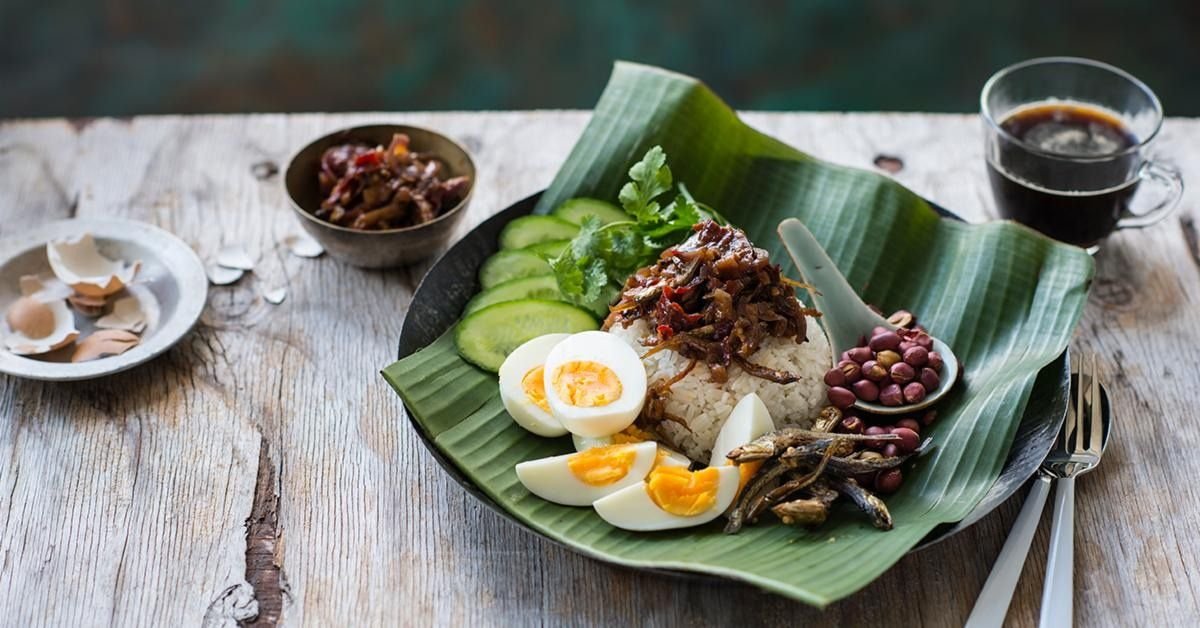
Rice forms the central part of every traditional meal in Malaysia. Cooks prepare Nasi Lemak by boiling rice in rich coconut milk and pandan leaves. They serve it alongside spicy sambal, boiled eggs, crunchy peanuts, and fried anchovies.
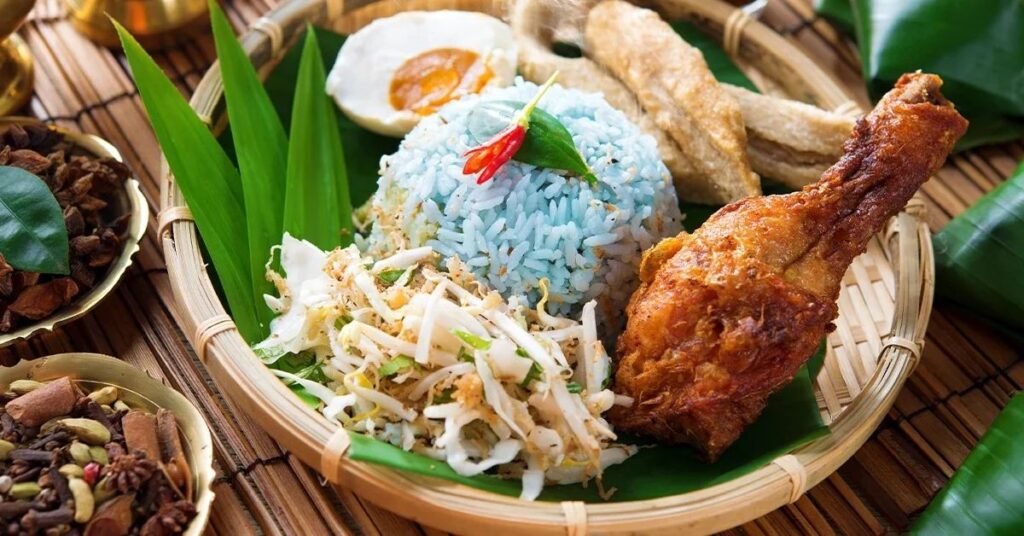
Different regions showcase their own unique rice specialties. People on the East Coast make Nasi Kerabu, a striking blue rice colored with natural butterfly pea flowers. In Terengganu, cooks serve Nasi Dagang, a flavorful combination of reddish-brown rice and rich fish curry.
These rice dishes carry deep cultural meaning across the country. Families serve them for breakfast, lunch, and late-night meals alike. Each variation reflects local ingredients, regional history, and time-honored cooking methods.
Rich Meats and Slow-Cooked Stews
Malay cooks master the art of slow cooking to produce tender, flavorful meat dishes. Rendang stands out as the ultimate favorite, where chefs simmer beef or chicken in coconut milk and spices for hours. The liquid gradually evaporates, leaving thick, aromatic spices wrapped around the tender meat.
Smoked meats also hold a special place in traditional cooking. Cooks smoke beef over wood fires before simmering it in a fiery turmeric and chili gravy called Daging Salai. The wood smoke gives the rich gravy a deep, earthy flavor.
These hearty stews highlight patience and culinary skill. Cooks prepare them during special occasions, family gatherings, and festive celebrations. The long cooking process allows the rich spices to penetrate deep into the meat.
Popular Soups and Noodle Dishes
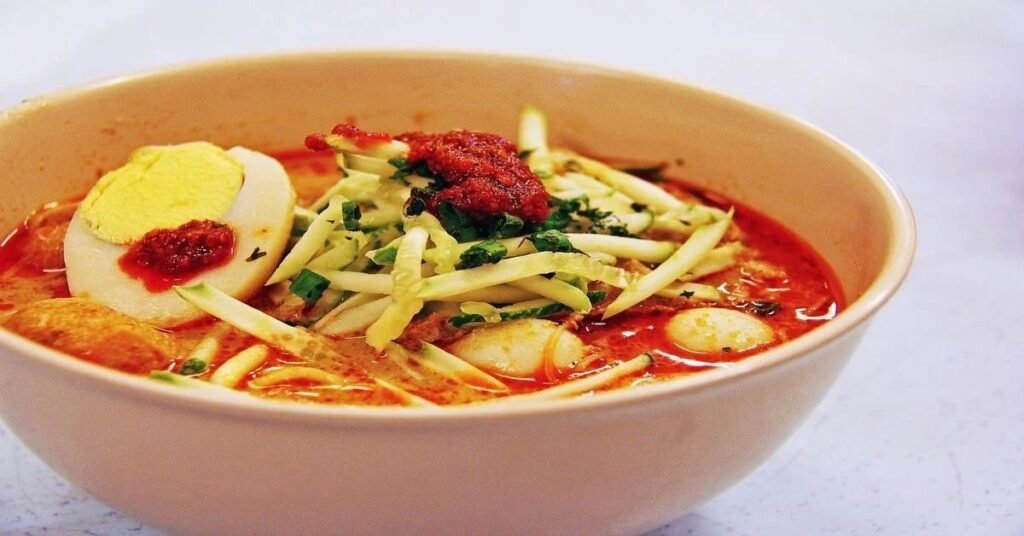
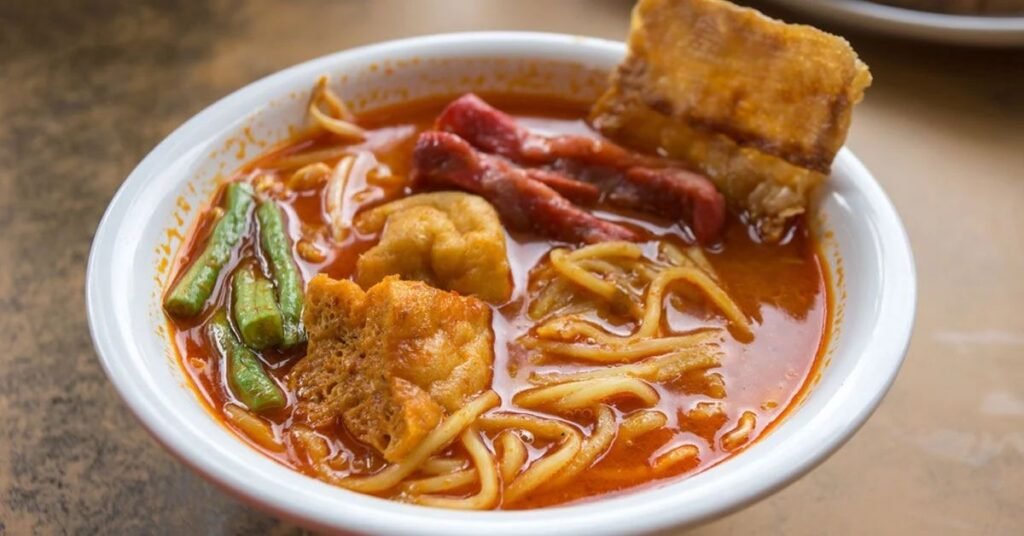
Noodle soups offer a warm, comforting option for everyday meals. Laksa Johor features thick spaghetti noodles served in a rich, spiced fish gravy. Cooks top the dish with fresh herbs, bean sprouts, and a squeeze of lime.
Hearty meat broths also satisfy diners across the country. Chefs brew Sup Tulang by simmering beef bones and local spices for hours to create a deeply flavorful broth. Diners enjoy this rich soup with warm bread or plain rice.
These bowl meals combine soft noodles, aromatic broths, and fresh toppings. Local stalls cook their broths continuously throughout the day to build rich flavors. Each bowl delivers a satisfying mix of spices and textures.
Grilled Delicacies and Street Snacks
Street vendors grill marinated meats over hot charcoal to create popular everyday snacks. Satay features small skewers of chicken or beef cooked over open flames. Cooks serve these smoky skewers with a thick, sweet peanut sauce and fresh cucumber slices.
Seafood lovers enjoy Ikan Bakar, where cooks wrap fresh fish in banana leaves with spicy chili paste. The banana leaf protects the fish and infuses it with a subtle herbal aroma as it grills over charcoal.
These grilled treats draw crowds to street markets every evening. The smoky aroma of charcoal and spices fills the night air. These quick bites offer authentic flavors in a casual street-side setting.
Fresh Ulam and Vegetable Sides
Fresh herbal salads, known as ulam, balance out heavy meat and curry dishes. Locals pick fresh leaves, raw vegetables, and edible roots directly from gardens. They dip these fresh greens into spicy sambal belacan for a crisp, nutritious bite.
Cooks also prepare warm vegetable dishes using coconut milk and spices. Sayur Lodeh features soft vegetables simmered in a mild turmeric and coconut broth. Another favorite, Kangkung Belacan, combines stir-fried water spinach with spicy shrimp paste.
These green sides add essential nutrients, fresh textures, and bright colors to the dining table. They clean the palate between spicy bites of meat and fish. Fresh ulam remains an essential part of a healthy, traditional meal.
Regional Flavors by State
Each Malaysian state adds its own unique twist to traditional recipes. Northern states like Kelantan prefer sweeter flavors and heavy use of coconut. Southern states like Johor draw inspiration from Arab and Javanese traders to create rich noodle dishes.
Negeri Sembilan is famous across the country for its intense, fiery food. Cooks there use fresh bird’s eye chilies and raw turmeric to make extremely hot yellow curries. They rarely use dried chilies, giving their dishes a bright yellow color and sharp heat.
Exploring these regional styles reveals the true diversity of the cuisine. Ingredients change depending on local crops, coastal access, and historical trade routes. Travelers can taste completely different flavor profiles just by crossing state lines.
Read more for Info: https://swiftsavory.com/step-by-step-guide-to-cleaning-your-board-before-oiling/
Traditional Cooking Techniques
Traditional Malay cooking relies on slow processes and manual techniques. Cooks grind fresh herbs and spices on heavy stone mortars called batu giling. This manual grinding crushes the ingredients gently, releasing richer flavors than modern electronic blenders.
Claypots and banana leaves also play a vital role in heat distribution and flavor enhancement. Chefs steam, grill, or wrap rice and fish in fresh banana leaves to trap steam and aroma. Claypots retain heat evenly, allowing stews to simmer gently without burning.
These age-old techniques preserve the authentic taste of classic recipes. While modern kitchens use quick appliances, traditional cooks stick to time-tested methods. These careful steps make a noticeable difference in the final taste of the food.
Must-Try Kuih and Desserts
Bite-sized colorful snacks, known as kuih, offer sweet treats throughout the day. Cooks make Onde-Onde by wrapping palm sugar inside green glutinous rice balls and rolling them in fresh grated coconut.
Another classic favorite, Kuih Seri Muka, features two distinct layers. The bottom layer consists of salted glutinous rice, while the top layer offers a sweet, smooth green pandan custard.
Diners also enjoy cold desserts like Cendol to beat the warm tropical heat. Vendors serve shaved ice topped with green rice flour jellies, rich coconut milk, and dark palm sugar syrup. These traditional desserts offer a refreshing finish to any spicy meal.
Hari Raya Festive Specialties
Festive celebrations bring out the absolute best in traditional cooking. During Hari Raya, families weave fresh palm leaves to create small pouches for Ketupat. They pack the pouches with rice and boil them for hours until the rice becomes firm and dense.
Cooks also prepare Lemang by filling hollow bamboo tubes with glutinous rice, coconut milk, and pandan leaves. They roast the bamboo tubes upright over open wood fires for hours. The bamboo inner lining gives the rich rice a distinct woody flavor.
Families serve these festive staples alongside Rendang and spicy meat floss called Serunding. These labor-intensive dishes symbolize togetherness, forgiveness, and warm hospitality. Sharing these meals brings families and neighbors together every year.
Traditional Dining Etiquette
Traditional Malay dining emphasizes community, respect, and shared meals. Diners sit together on clean floor mats around a low central spread of dishes. Before eating, everyone washes their hands using a small kettle of water called a teko.
Locals eat their meals directly using the fingers of their right hand. They use their fingertips to combine small portions of rice, curry, and vegetables into neat bites. Using the left hand for eating is considered impolite and culturally unacceptable.
These dining customs foster a warm, communal atmosphere at the table. Meals encourage slow eating, conversation, and sharing among family members. Respecting these simple rules shows appreciation for the host and the food.
Top Places to Eat
Diners can find authentic meals everywhere from humble roadside stalls to upscale heritage restaurants. Local roadside stalls, known as warungs, serve fresh and hot meals to busy workers every morning.
For a more comfortable sit-down experience, heritage restaurants serve classic family recipes in traditional wooden houses.
| Venue Type | Local Name | What to Expect | Popular Items to Order | Best Time to Visit |
| Roadside Stalls | Warung | Casual, fast, and very affordable street-side dining | Nasi Lemak, Roti Canai, Hot Teh Tarik | Early Morning (Breakfast) |
| Night Markets | Pasar Malam | Lively open-air markets with diverse food carts | Satay, Grilled Fish, Various Kuih | Evening to Late Night |
| Rice & Curry Shops | Nasi Campur | Buffet-style display where you pick your own sides | Rice with Rendang, Ulam, Sambal | Lunch (12 PM – 2 PM) |
| Heritage Restaurants | Restoran Warisan | Authentic home-style cooking in traditional settings | Laksa Johor, Daging Salai, Slow-cooked Curries | Lunch or Dinner |
| Floating/Riverside Eateries | Warung Terapung | Fresh seafood and regional dishes near rivers or sea | Ikan Bakar (Grilled Fish), Tom Yam Soups | Late Afternoon / Dinner |
(FAQS)
Here are 5 frequently asked questions with concise answers:
- What is the national dish of Malaysia? Nasi Lemak is widely considered Malaysia’s national dish, featuring fragrant rice cooked in coconut milk and pandan leaves, served with spicy sambal, anchovies, peanuts, and a boiled egg.
- Is authentic Malay food in Malaysia spicy? While many Malay dishes feature rich spices and chili pastes like sambal, the cuisine balances heat with sweet palm sugar, sour tamarind, and creamy coconut milk.
- Why is coconut milk so common in Malay cuisine? Coconut milk (santan) acts as a foundational ingredient that adds rich texture, enhances aromatic spices, and smooths out the sharp heat of chili pastes in stews and curries.
- What is the traditional way to eat Malay meals? Traditionally, diners sit on floor mats and eat using the fingers of their right hand, washing up before and after using a small kettle of water called a teko.
- What is the difference between Warung and Pasar Malam? A warung is a small, permanent roadside food stall serving daily cooked meals, while a pasar malam is a temporary night market filled with diverse street food vendors.
conclusion
Exploring authentic Malay food offers an unforgettable journey through rich history and vibrant flavors. Every dish brings people together, combining aromatic herbs, fresh coconut milk, and fiery spices into perfect harmony.
Trying these traditional dishes gives you a true appreciation for the local culture and heritage. Whether you enjoy a simple plate of coconut rice or a complex slow-cooked stew, every bite tells a story of care and passion.
The Ultimate Guide to Authentic Malay Food in Malaysia