Introduction
Healthy, light pork fried rice is a nutritious twist on a classic comfort food. It uses lean cuts of pork, plenty of fresh vegetables, and less oil. This dish delivers all the savory flavors you crave without the heaviness.
Imagine sitting down to a steaming bowl of homemade fried rice that satisfies your cravings and keeps your wellness goals on track. You do not need to order takeout to enjoy restaurant-quality food. You can make this fresh meal right in your own kitchen tonight.
Pork fried rice is surprisingly versatile and quick to whip up on busy weeknights. You can easily toss in whatever leftover veggies are hiding in your fridge. It is a smart way to enjoy a balanced, protein-packed dinner that feels like a treat.
Essential Ingredients for the Perfect Dish
Great cooking starts with the right ingredients. You do not need fancy items to make a wonderful meal. Simple, fresh components work best together.
Cold cooked rice is the foundation of this dish. Day-old white rice has less moisture, so it fries up crisp instead of soggy. Freshly cooked, warm rice will only clump together in the pan.
Lean pork adds great protein and savory flavor. Fresh vegetables like green onions, carrots, and peas bring bright color and crunch. A splash of soy sauce ties everything together with a rich, delicious finish.
Choosing the Best Cut of Pork
Selecting the right cut makes a big difference in taste and texture. Pork tenderloin is a fantastic choice if you prefer a tender, lean option. It cooks quickly and stays juicy when sliced thin.
Pork shoulder or pork butt offers a bit more fat and rich flavor. This cut stays extra tender and delivers that classic takeout style. You can also use leftover roast pork or pork chops for convenience.
Trim off any thick fat before slicing the meat into small bite-sized pieces. Small pieces cook fast and evenly in the hot pan. A quick marinade with soy sauce helps keep every piece moist and flavorful.
Prepping Your Rice the Right Way
Proper rice prep changes everything. Freshly cooked rice holds too much moisture. It turns mushy in a hot pan.
Day-old white rice works best. Spread cooked grains on a baking sheet. Place them in the fridge overnight.
Cold air dries the surface starch. Each grain stays separate and firm. Your skillet transforms them into crispy perfection.
Mastering the Ideal Vegetable Blend
Vegetables add color, crunch, and balance to your dish. A bright mix makes every bite fresh and satisfying. You want a combination of crisp and tender textures.
Peas and diced carrots are classic choices. Sweet corn adds a touch of natural sugar. Green onions bring a fresh, sharp flavor at the very end.
Dice all your vegetables into uniform, small pieces. Small cuts ensure everything cooks quickly and evenly in the pan. High heat seals in their natural sweetness while keeping them crisp.
Whisking and Scrambling the Eggs
Eggs add a rich, velvety texture to your meal. Crack fresh eggs into a small bowl. Whisk them briskly until the whites and yolks blend completely.
Heat a clean skillet with a drop of oil. Pour the liquid eggs directly into the hot pan. Stir them gently until soft curds form.
Remove the eggs from the pan immediately. Set them aside on a clean plate. Fold them back into the rice right before serving.
Mixing the Signature Stir-Fry Sauce
A great sauce ties all the flavors together. You mix a few simple pantry staples in a small bowl. Soy sauce forms the savory base of your blend.
Sesame oil adds a rich, nutty aroma. A splash of rice vinegar brings a subtle brightness. A pinch of white pepper finishes the mixture with mild warmth.
Whisk the liquids thoroughly until well combined. Keep the bowl close to your cooking station. Pour the sauce evenly over the rice when the time comes.
Read more for Info: https://swiftsavory.com/the-dictionary-food-web-guide-key-terms-and-concepts-explained/
Heating Your Pan for High-Heat Cooking
High heat creates authentic flavor. Set your wok or skillet over a high flame. Let the metal heat up completely before adding oil.
Hot metal stops food from sticking. Pour in high-smoke oil like canola or peanut oil. Swirl it around to coat the bottom evenly.
Wait until the oil shimmers slightly. This tells you the pan is ready. Proper heat locks in flavor and cooks everything fast.
Step-by-Step Cooking Technique for Pork Fried Rice Recipe
Toss the marinated pork into your hot pan. Cook the meat quickly until it browns on all sides. Scoop the pork out and set it aside.
Drop your cold rice into the same hot skillet. Break up any clumps with your spatula. Stir constantly as the grains toast and absorb the remaining flavors.
Add your veggies, cooked pork, and fluffy eggs back into the pan. Drizzle your signature sauce all over the mix. Toss everything together until piping hot and completely combined.
Customizing Your Dish with Extra Proteins
Adding extra proteins elevates your meal and adds exciting new textures. You can easily adapt the recipe to fit your personal taste. Mixing different meats makes the dish even more hearty and satisfying.
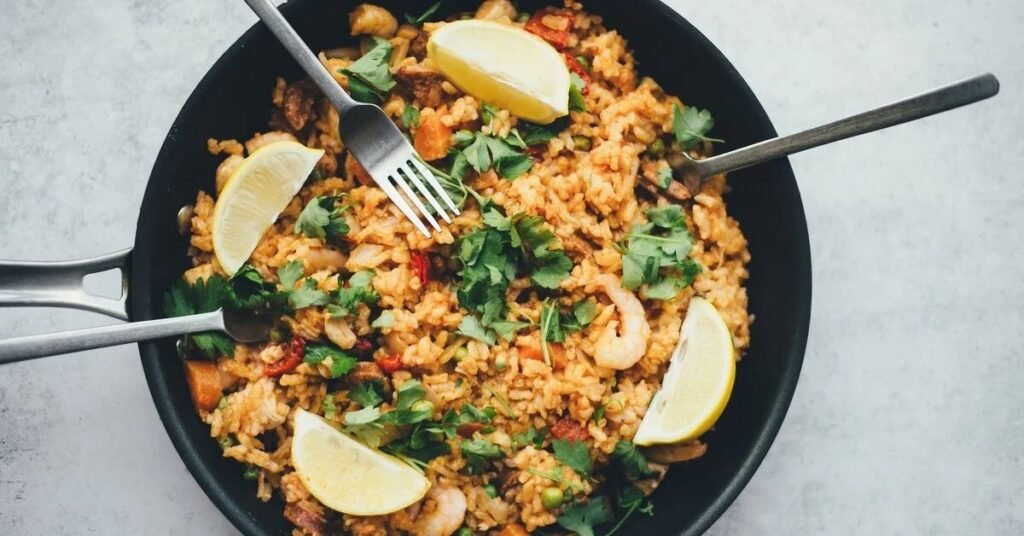
Juicy shrimp pair wonderfully with savory pork. Diced chicken breast also blends seamlessly into the rice. Tofu cubes absorb sauce efficiently for a lighter, plant-based option.
Cook each extra protein separately before combining everything in the pan. Searing them first preserves their distinct flavors and prevents overcrowding. Toss them back into the skillet at the very end to warm them through.
Controlling Temperature and Preventing Soggy Rice
Temperature control defines great fried rice. Keep your burner on high heat throughout the cooking process. Low heat releases steam and makes your grains mushy.
Never overcrowd your pan. Too much food drops the skillet temperature instantly. Cook your ingredients in small batches if your pan is small.
Keep your spatula moving constantly. Fast stirring lets trapped moisture escape into the air. This simple trick keeps every single grain separate, dry, and perfectly crisp.
Adding Authentic Restaurant-Style Aromatics
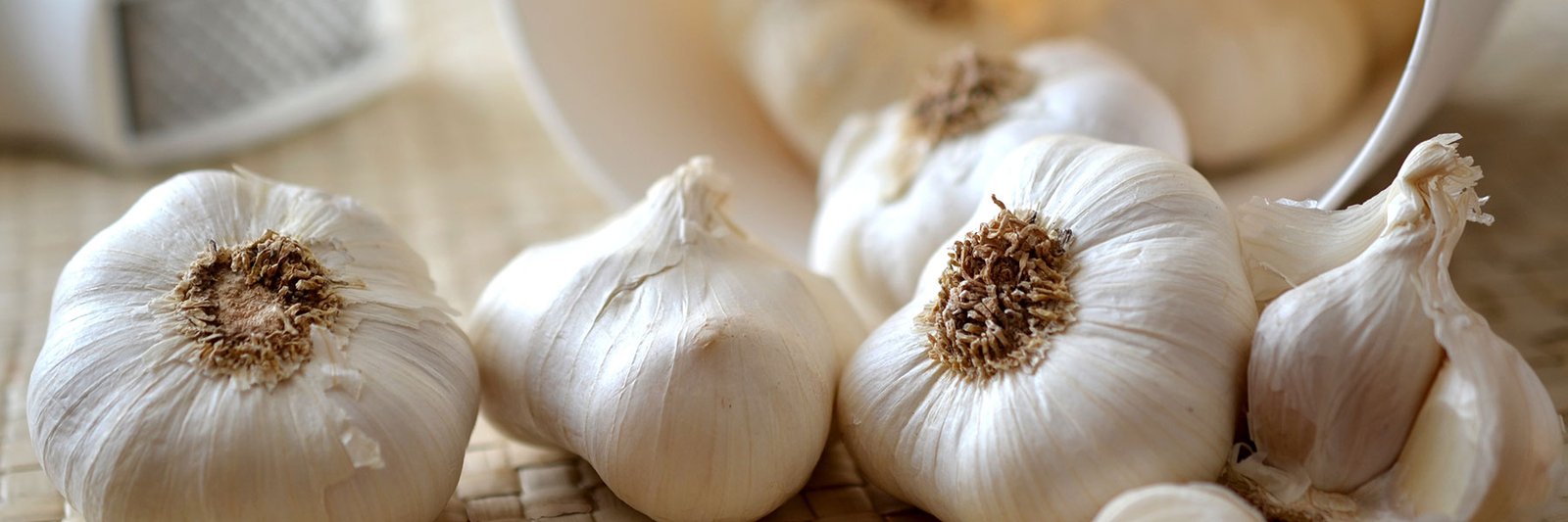
Aromatics create that unmistakable takeout smell and flavor. Fresh garlic and ginger form the foundation of your wok base. Minced scallions add a bright, oniony finish at the verySauté
Saute your garlic and ginger in hot oil for just ten seconds. High heat releases their natural oils instantly without burning them. You want a fragrant burst before adding your main ingredients.
Finish your pan with thinly sliced green onion tops right before serving. Raw green onions bring fresh crunch and vibrant color to the dish. This simple step turns home cooking into restaurant-quality.
Storage and Proper Reheating Methods
Store your leftover pork fried rice in an airtight container within two hours of cooking. Place it directly into the refrigerator, where it will stay fresh for up to three days. If you want to keep it longer, freeze individual portions in sealed freezer bags for up to two months.
Reheating rice requires proper heat and moisture to restore its soft, tender texture. Adding a tiny splash of water or oil before heating stops the grains from drying out or burning. Always heat the rice until it is piping hot throughout to ensure it is completely safe to eat.
| Storage / Reheating Method | Recommended Setup | Time & Temperature | Key Tip for Best Results |
| Refrigerator Storage | Shallow airtight glass or plastic container | Cooltemperatureroom temp; store within 2 hours; keeps up to 3 days | Spread rice evenly so it cools rapidly and stays safe. |
| Freezer Storage | Heavy-duty freezer bags or vacuum-sealed packs | Freeze up to 2 months | Press out excess air to prevent freezer burn and frost accumulation. |
| Microwave Reheating | Microwave-safe bowl covered with a damp paper towel | High power for 1.5 to 2 minutes, stirring halfway | Damp paper towel traps steam and keeps the rice soft and moist. |
| Stovetop Reheating | Hot skillet or wok over medium-high heat | 3 to 5 minutes, tossing continuously | Add 1 teaspoon of oil or water to revive crispy, fresh textures. |
| Oven Reheating | Covered baking dish wrapped tightly in aluminum foil | 350°F (175°C) for 15 to 20 minutes | Best for large batches; preserves even heat distribution. |
Frequently Asked Questions
Can I use fresh rice instead of day-old rice?
Fresh rice contains too much moisture and turns mushy when fried. If you must use fresh rice, spread it out on a baking tray and freeze it for 15 minutes to dry it out.
What is the best oil for making pork fried rice?
High-smoke-point oils like canola, vegetable, or peanut oil are best for high-heat wok cooking. Avoid olive oil, as it burns easily at high temperatures.
How do I make the pork tender and juicy?
Slice the pork thinly against the grain and marinate it briefly with soy sauce and a splash of sesame oil before cooking.
Why does my fried rice stick to the pan?
Rice sticks when the pan is not hot enough before adding oil, or if you use warm, high-moisture rice. Ensure your skillet is smoking hot before cooking.
Can I freeze leftover pork fried rice?
Yes, pack cooled leftovers into airtight freezer bags and freeze for up to two months. Thaw overnight in the fridge or reheat directly from frozen in a hot skillet.
Conclusion
Making homemade pork fried rice is simple, fast, and completely customizable. You only need a few basic ingredients, cold leftover rice, and a hot pan to build incredible flavor.
Mastering this classic dish saves you money and brings restaurant-quality food straight to your kitchen. Practice high-heat cooking, toss in your favorite veggies, and adjust the seasonings to match your personal taste.