Introduction
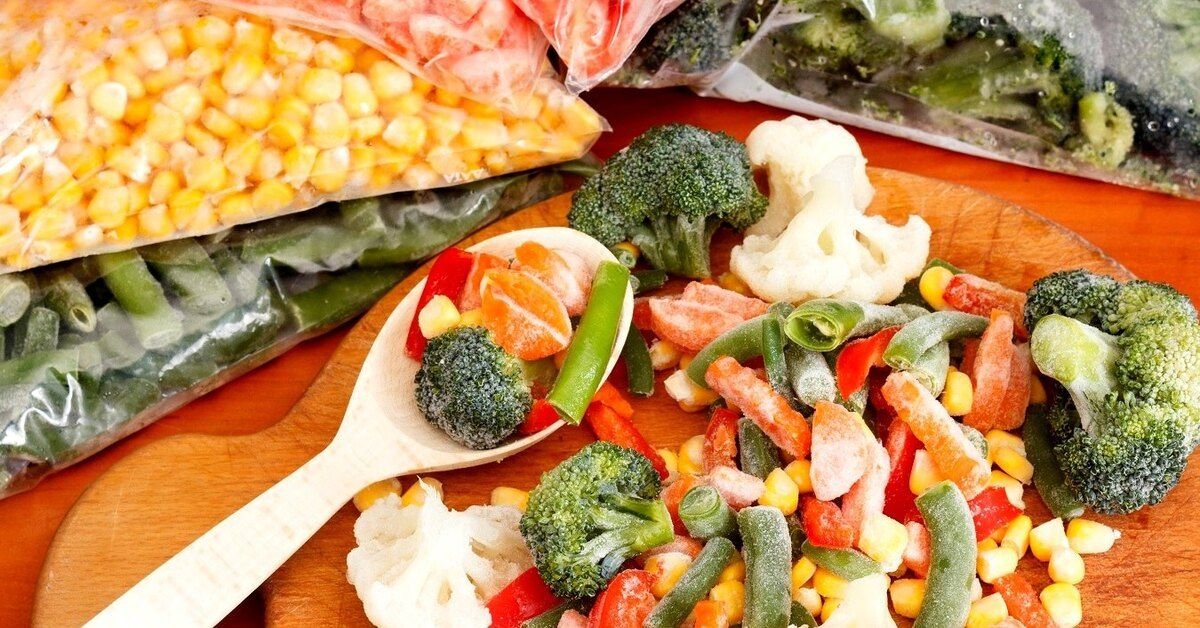
Frozen foods are those frozen to keep them fresh for longer. They include vegetables, fruits, meats, seafood, pizzas, and ready-made meals. Freezing helps preserve their taste, texture, and nutrients when stored properly.
Busy days can make cooking difficult. That is where frozen foods can help. They save time and make meal preparation easier. You can enjoy a quick meal without spending hours in the kitchen.
Today, many frozen foods are healthy and convenient. Choose products with simple ingredients and less added salt or sugar. With the right choices, frozen foods can become a useful part of everyday meals.
What Are Frozen Foods?
Frozen foods are foods that people store at very low temperatures to keep them fresh for longer. Freezing slows down the growth of bacteria and helps maintain the food’s quality.
Freezing also makes food easier to store and use. You can keep many frozen items for weeks or months when you store them correctly. This option helps reduce food waste and makes meal preparation more convenient.
Many frozen foods also offer useful nutrients. Frozen fruits and vegetables can provide vitamins, minerals, and fiber. However, you should check food labels and choose options with simple ingredients, less added sugar, and lower amounts of sodium.
How Are Frozen Foods Made and Preserved?
Food producers first clean and prepare the food before freezing it. They may cut vegetables, wash fruits, or prepare meat and seafood. Then, they freeze the food at very low temperatures. This process helps slow bacterial growth and keeps the food fresh for longer.
Many vegetables go through a quick heating process called blanching before freezing. Blanching helps protect their color, texture, and flavor. Producers then pack the food in suitable containers or sealed bags.
Finally, producers keep the packaged food at a consistently low temperature during storage and transport. Proper freezing helps maintain food quality until you cook it. You should also keep your freezer cold and avoid leaving frozen food at room temperature for long periods.
Why Do People Choose Frozen Foods?
People choose frozen foods because they save time. They are easy to prepare and cook. This makes them useful for busy families and workers. Frozen meals also help people enjoy food without spending hours in the kitchen.
Frozen foods can also reduce food waste. People can store them for longer periods. They can cook only the amount they need. This makes frozen foods a convenient choice for everyday meals.
Many frozen foods offer a wide range of options. People can find frozen vegetables, fruits, meats, pizzas, and ready-to-eat meals. These choices make meal planning easier and more flexible.
Are Frozen Foods Healthy?
Frozen foods can be healthy when you choose them carefully. Frozen fruits and vegetables can provide important nutrients. They are often frozen soon after harvesting. This helps preserve their freshness and nutritional value.
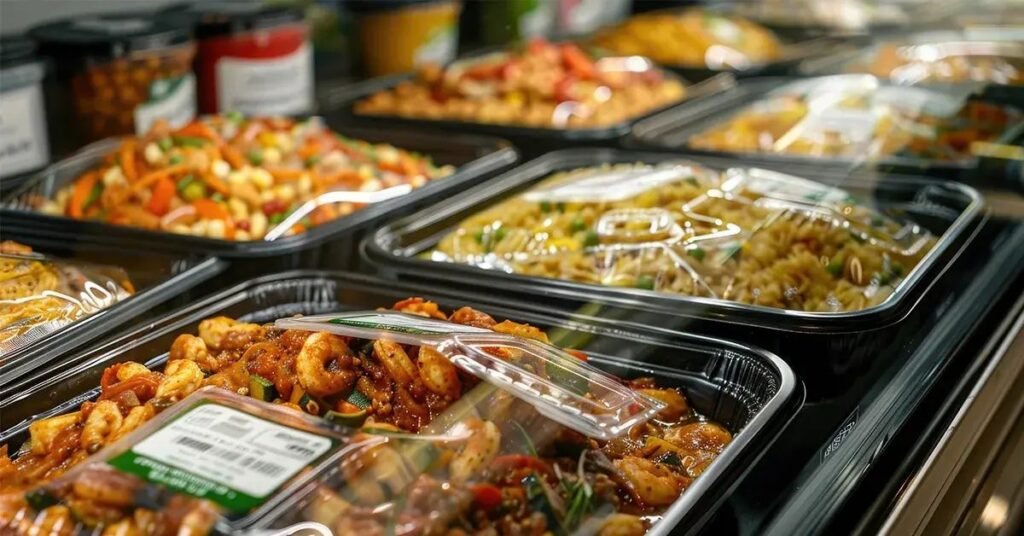
However, some frozen foods contain high amounts of salt, sugar, or unhealthy fats. Ready-made meals may also contain many calories. Therefore, check the nutrition label before buying them. Choose foods with simple ingredients and balanced nutrients.
Frozen foods can fit into a healthy diet. Choose more vegetables, fruits, lean proteins, and whole grains. Also, avoid eating highly processed frozen foods too often.
How to Choose Nutritious Frozen Foods
Start by checking the nutrition label. Choose frozen foods that contain less added sugar and sodium. Look for foods with more fiber and protein. Simple ingredients can also make a better choice.
Frozen vegetables and fruits are good options. Choose plain varieties without added sauces or sugar. For frozen meals, look for balanced options with vegetables, lean protein, and whole grains. Also, check the serving size before buying.
Try to avoid foods with too many artificial ingredients. Compare different brands when shopping. A quick label check can help you choose healthier frozen foods.
Frozen Fruits and Vegetables for Healthy Meals
Frozen fruits and vegetables make healthy meals easier. They are convenient and easy to store. You can add frozen berries to smoothies or oatmeal. Frozen vegetables work well in soups, rice, pasta, and stir-fries.
Choose plain frozen fruits without added sugar. For vegetables, pick options without heavy sauces or extra salt. Frozen produce can also help reduce food waste. You can use only the amount you need and keep the rest for later.
Frozen fruits and vegetables give you simple ways to add more nutrients to your meals. They save preparation time too. With the right choices, they can become a useful part of a balanced diet.
How to Cook Frozen Foods Properly?
Always follow the cooking instructions on the package. Use the recommended temperature and cooking time. Some foods need thawing first, while others can cook directly from frozen. Avoid guessing the cooking time.
Use an oven, stovetop, air fryer, or microwave as directed. Turn or stir the food when needed. Make sure the food heats evenly. For meat and poultry, check that the center reaches a safe temperature.
Do not overcrowd the pan or tray. This can make the food cook unevenly. Serve frozen foods soon after cooking. Store any leftovers properly to keep them fresh and safe.
Read more for info:https://swiftsavory.com/recipe-for-garlic-butter-chicken-the-ultimate-comfort-food/
How to Store Frozen Foods Safely
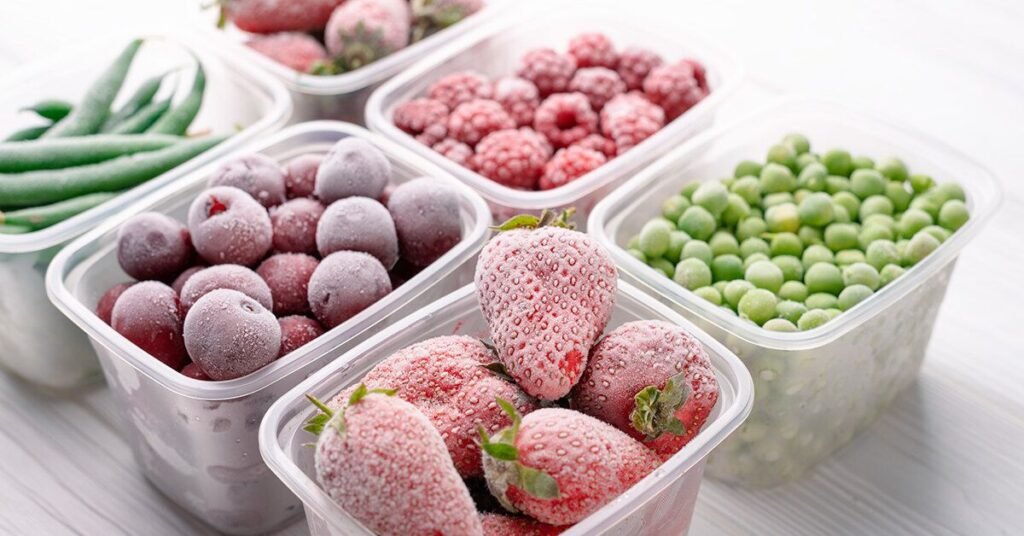
Keep frozen foods in a freezer at 0°F (-18°C) or below. Store them in sealed packages or airtight containers. This helps prevent freezer burn and keeps the food fresh. Always check the package for damage before storing it.
Place newer foods behind older ones. Use older items first to avoid waste. Label homemade frozen foods with the date. Also, avoid opening the freezer too often because temperature changes can affect food quality.
Never refreeze food that has completely thawed and stayed at unsafe temperatures. If food still has ice crystals and has remained properly cold, it may be safe to refreeze. When in doubt, check food safety guidance or discard it.
How Long Can Frozen Foods Stay Fresh?
Frozen foods can stay safe for a long time when you store them at 0°F (-18°C) or below. However, their taste and texture may change over time. Proper packaging helps protect food from freezer burn and quality loss.
Different foods have different storage times. Frozen fruits and vegetables can keep good quality for several months. Frozen meat and poultry can also stay in the freezer for months. Always check the package instructions for the best quality period.
Keep the freezer at a steady temperature. Use older foods before newer ones. Label homemade foods with the freezing date. These simple steps help you enjoy frozen foods at their best.
Frozen Foods vs. Fresh Foods: Which Is Better?
Both frozen and fresh foods can be healthy choices. Fresh foods often have a natural taste and texture. However, frozen foods can last much longer. They also make meal preparation easier and more convenient.
Frozen fruits and vegetables can keep many nutrients. They are often frozen soon after harvesting. Fresh foods may lose some quality when stored for several days. However, the nutritional value depends on the food and how you store and prepare it.
Choose fresh foods when they are available and easy to use. Choose frozen foods when you need convenience or longer storage. A mix of both can help you enjoy healthy and balanced meals.
Common Mistakes to Avoid When Buying and Cooking Frozen Foods
One common mistake is ignoring the nutrition label. Some frozen foods contain high amounts of salt, sugar, or unhealthy fats. Always check the ingredients and serving size before buying. Also, avoid packages that look damaged or badly frozen.
Another mistake is cooking frozen food without following the package instructions. Wrong cooking times can affect taste and food safety. Do not overcrowd the pan or microwave. Make sure the food cooks evenly and reaches a safe temperature.
Avoid leaving frozen foods outside the freezer for too long. Return unused food to the freezer quickly. Also, do not refreeze food that has completely thawed at unsafe temperatures. These simple steps help keep frozen foods safe and tasty.
Easy Meal Ideas Using Frozen Ingredients
Frozen ingredients can make quick meals much easier. Use frozen vegetables in soups, rice, pasta, or stir-fries. You can also add frozen chicken or fish to simple meals. These ingredients save time and reduce preparation work.
Frozen fruits work well for breakfast and snacks. Add frozen berries to smoothies, oatmeal, or yogurt. You can also blend frozen bananas for a quick dessert. These options taste good and need little preparation.
Try keeping a few frozen ingredients at home. They can help you prepare meals when you have little time. With simple seasonings and fresh ingredients, frozen foods can create tasty and balanced meals.
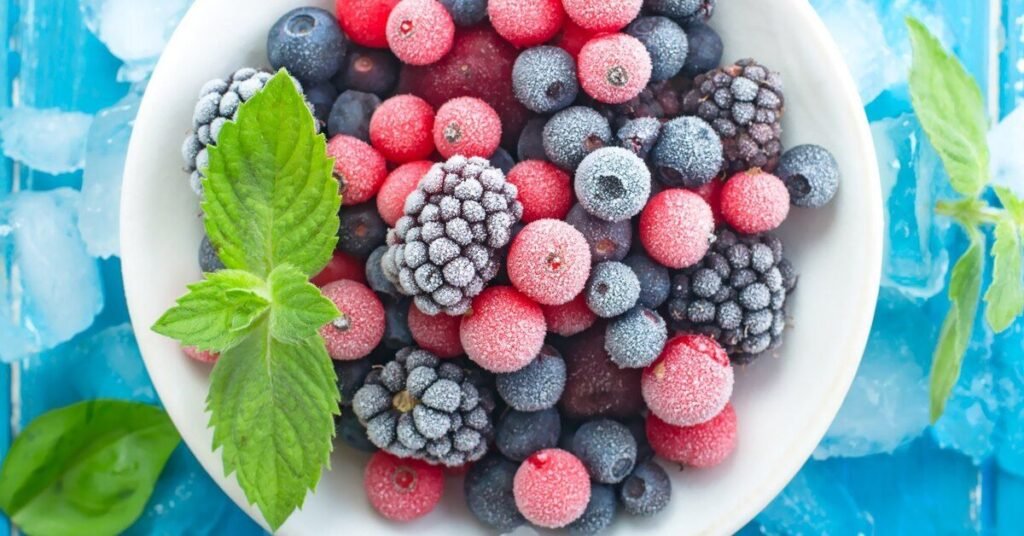
Best Types of Frozen Foods to Buy
The best frozen foods are simple and nutritious. Frozen vegetables and fruits are great choices for everyday meals. You can also buy frozen fish, chicken, and lean meats. Choose plain options with fewer added ingredients, sauces, and excess salt.
Frozen grains and healthy ready-made meals can also save time. Check the nutrition label before buying them. Look for good amounts of protein and fiber. Also, choose products with lower levels of added sugar and sodium.
| Frozen Food Type | Good Options | How to Use Them | What to Check |
| Vegetables | Peas, spinach, broccoli, mixed vegetables | Soups, rice, pasta, stir-fries | Low sodium, no heavy sauces |
| Fruits | Berries, mango, peaches, bananas | Smoothies, oatmeal, yogurt | No added sugar |
| Fish | Salmon, cod, tilapia | Baking, grilling, air frying | Plain cuts, low additives |
| Chicken | Chicken breast, strips, tenders | Stir-fries, wraps, salads | Lower sodium, simple ingredients |
| Lean Meat | Lean beef or turkey | Rice, pasta, tacos | Less added fat and sodium |
| Whole Grains | Brown rice, quinoa | Bowls, side dishes | High fiber, simple ingredients |
| Frozen Meals | Vegetable bowls, balanced meals | Quick lunches or dinners | Protein, fiber, sodium, calories |
| Frozen Beans | Edamame, peas, bean blends | Salads, bowls, soups | Low sodium |
| Frozen Potatoes | Plain diced or sliced potatoes | Roasting, soups, side dishes | Avoid heavily seasoned options |
| Frozen Smoothie Mixes | Berry or fruit blends | Smoothies and breakfast bowls | No added sugar |
FAQs About Frozen Foods
1. Are frozen foods healthy?
Yes, many frozen foods can be healthy. Choose fruits, vegetables, lean proteins, and products with less added salt and sugar.
2. Are frozen fruits and vegetables nutritious?
Yes. Frozen fruits and vegetables can keep many of their nutrients and offer a convenient way to add produce to meals.
3. How long can frozen foods stay fresh?
Frozen foods can stay safe at 0°F (-18°C) or below. However, quality and taste may decrease over time.
4. Can I cook frozen foods without thawing them?
Yes, many frozen foods can be cooked directly from frozen. Always follow the cooking instructions on the package.
5. What should I check when buying frozen foods?
Check the nutrition label, ingredients, serving size, sodium, added sugar, and saturated fat before buying.
Conclusion
Frozen foods offer a simple and convenient way to prepare meals. They can save time and reduce food waste. Frozen fruits, vegetables, fish, and lean proteins can also support a balanced diet.
Choose frozen foods carefully. Check the nutrition label and avoid products with too much salt, sugar, or unhealthy fats. With smart choices and proper storage, frozen foods can be a useful part of everyday meals.