Introduction
Cat food is specially made to provide cats with the nutrients they need. It can include protein, fats, vitamins, minerals, and other important nutrients. Cat food comes in different forms, such as dry, wet, and special formulas.
Choosing the right cat food can make a big difference in your cat’s daily life. A good diet can support energy, healthy skin, a shiny coat, and strong muscles. However, every cat has different nutritional needs.
This guide explores the best cat food options for healthy and happy cats. It also covers different types of cat food, important ingredients, feeding tips, and factors to consider before buying. With the right information, you can make a better choice for your cat.
What Is Cat Food and Why Is It Important?
Cat food is specially prepared to meet a cat’s nutritional needs. It usually contains protein, fats, vitamins, and minerals. In order to remain active and healthy, cats need these nutrients.
A balanced diet supports strong muscles, healthy bones, and good energy levels. It can also help maintain healthy skin and a shiny coat. Therefore, choosing suitable food is important for a cat’s overall well-being.
Cats need different nutrients at different stages of life. Kittens, adult cats, and older cats may have different dietary needs. Choosing food that matches your cat’s age, health, and lifestyle can support better nutrition.
Cat Food: Types and Main Options
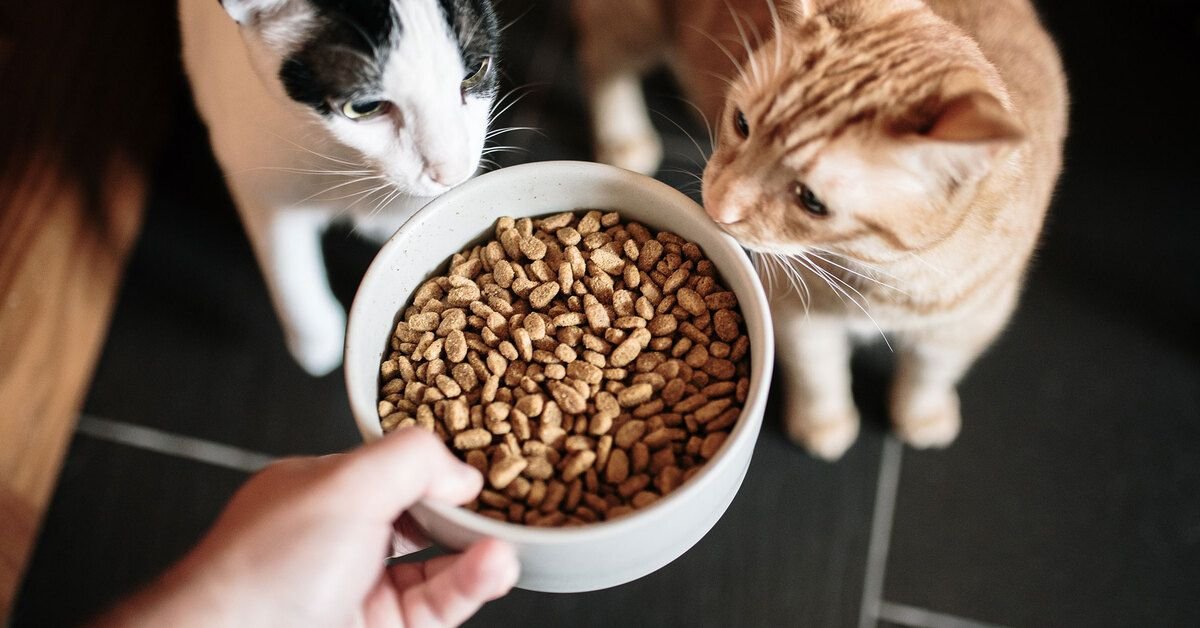
Cat food comes in several types. The most common options include dry, wet, and semi-moist food. Each type has different textures, moisture levels, and nutritional features.
Food that is dry is convenient and easy to store. Wet food contains more moisture and can help cats get extra water through their diet. Some cats also prefer its soft texture and strong smell.
There are also special formulas for kittens, senior cats, and cats with specific dietary needs. Grain-free and high-protein options are also available. However, you should choose food based on your cat’s age, health, activity level, and nutritional needs.

Food Choices for Different Cat Health Needs
Cats can have different nutritional needs based on their health and lifestyle. Some cats may need food that supports healthy digestion, weight control, or a strong immune system. Choosing the right formula can help provide balanced nutrition.
Cats with sensitive stomachs may benefit from simple and easily digestible ingredients. Overweight cats may need controlled portions and a balanced diet with suitable calories. Cats with urinary or other health concerns may need special diets recommended by a veterinarian.
Age also affects food choices. Kittens need nutrients that support growth, while older cats may need food that supports healthy joints and overall wellness. Always consider your cat’s specific needs before changing its diet.
Wet Food vs. Dry Food: Which Is Better?
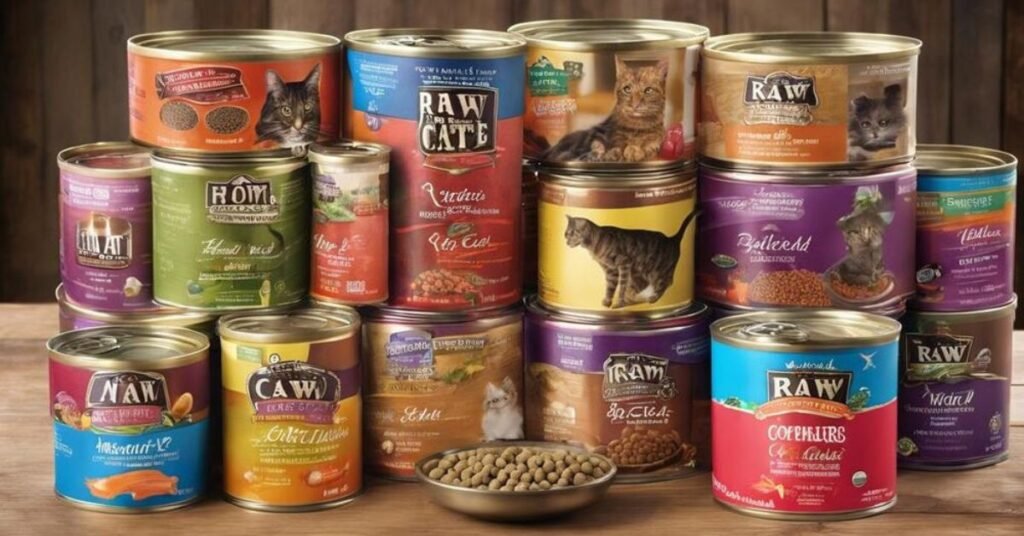
Wet and dry food both offer useful benefits for cats. Dry food is easy to store and serve. It can also be convenient for busy cat owners. Wet food contains more moisture, which can help cats get extra water from their meals.
Some cats prefer the soft texture and strong smell of wet food. Other cats enjoy the crunch of dry food. The best choice depends on your cat’s age, health, preferences, and nutritional needs.
You can also use both types as part of a balanced feeding routine. However, check the food label and follow proper serving amounts. If your cat has a health condition, ask a veterinarian before changing its diet.
Read more for Info:https://swiftsavory.com/wp-admin/post.php?post=60&action=edit
How to Choose Food Based on Your Cat’s Age
A cat’s nutritional needs change as it grows. Kittens need food that supports fast growth and development. Their food usually provides more protein, calories, and essential nutrients.
Adult cats need a balanced diet to maintain a healthy weight, muscles, and energy. Senior cats may need food that supports healthy joints, digestion, and overall wellness. Their diet should also match their activity level.
Always choose food that is suitable for your cat’s life stage. For feeding instructions and nutritional information, refer to the label. If your cat has special health needs, a veterinarian can help you choose the right diet.
Essential Nutrients Cats Need
To stay healthy and active, cats need a balanced diet. Protein is especially important because it supports strong muscles and body tissues. Healthy fats also provide energy and help support healthy skin and a shiny coat.
Cats also need essential vitamins and minerals. These nutrients support bones, teeth, vision, and the immune system. Water is equally important because it helps maintain proper hydration and normal body functions.
A cat’s nutritional needs can vary with age, health, and activity level. Therefore, choose food that provides complete and balanced nutrition. Always check the label and follow suitable feeding guidelines.
How Much Food Should You Give Your Cat?
Depending on your cat’s age, weight, activity level, and health, you should feed it the right amount. Kittens often need more food because they are growing quickly. Adult cats usually need controlled portions to maintain a healthy weight.
Start by checking the feeding guide on the food package. Divide the daily amount into suitable meals instead of giving too much at once. Also, provide fresh water throughout the day.
Watch your cat’s weight and body condition regularly. If your cat gains or loses weight unexpectedly, adjust the feeding plan with guidance from a veterinarian. Special health needs may also require a different feeding amount.
Homemade Food vs. Commercial Cat Food
Homemade food can give cat owners more control over the ingredients. However, it can be difficult to provide all the nutrients a cat needs. It is possible for a homemade diet to become unbalanced if it lacks important vitamins, minerals, and nutrients.
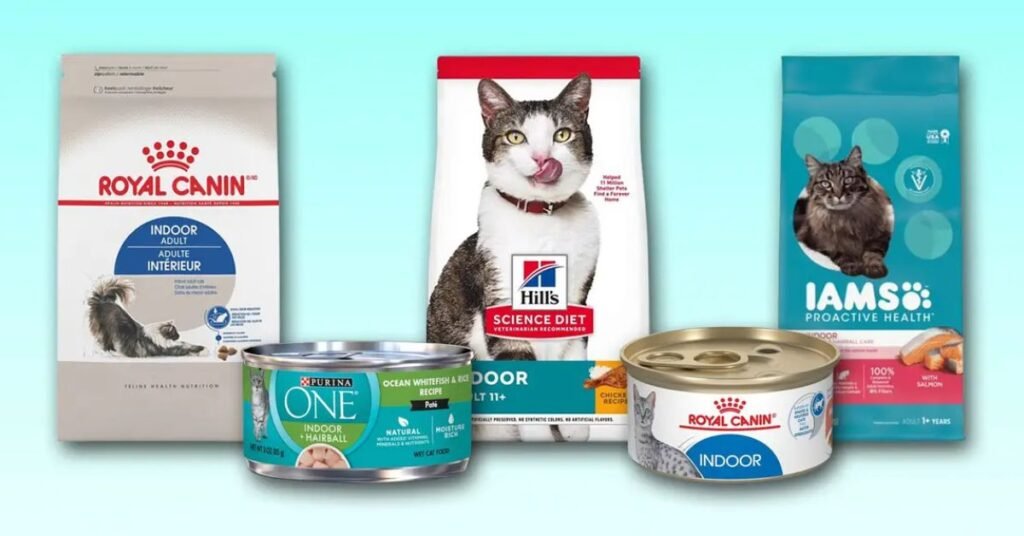
Commercial cat food is made to provide balanced nutrition for cats. It is available in different formulas for kittens, adults, and senior cats. It also comes in wet and dry options, which makes feeding easier and more convenient.
If you prefer homemade meals, discuss the diet with a veterinarian first. A professional can help you create a safe and balanced feeding plan. For most cats, choosing a complete and balanced commercial food can be a simple option.
Cat food ingredients to look for
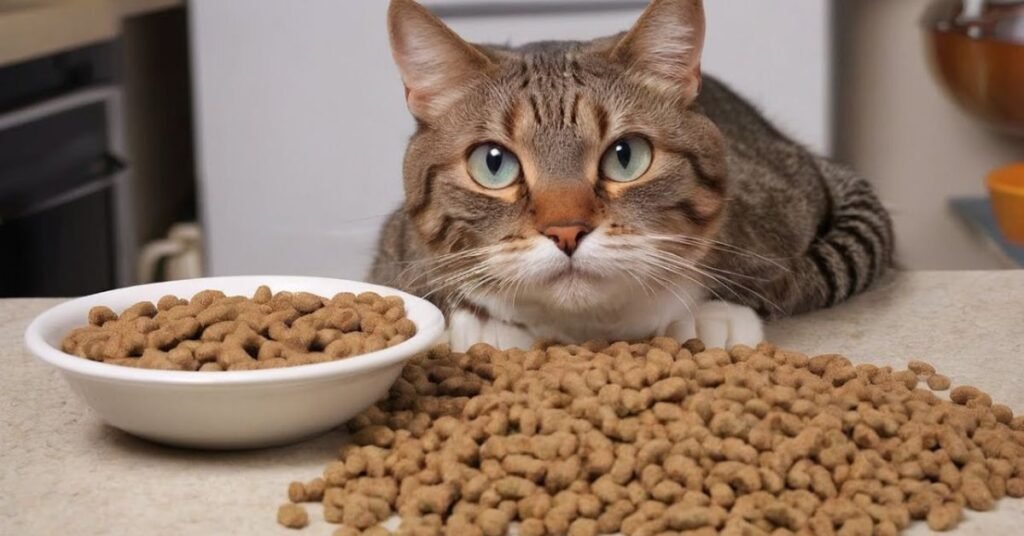
High-quality protein should be one of the main ingredients in cat food. Cats need protein to support strong muscles and healthy body functions. Look for clear protein sources such as chicken, turkey, beef, or fish.
Healthy fats are also important. They provide energy and support healthy skin and a shiny coat. Cat food should also provide essential vitamins and minerals for overall health.
Choose food with simple and clearly listed ingredients. Avoid products with unnecessary fillers or ingredients your cat does not tolerate well. Most importantly, select a complete and balanced formula that matches your cat’s age and nutritional needs.
How Often Should Cats Be Fed?
Most adult cats do well with two meals a day. Some cats may prefer smaller meals throughout the day. The right schedule depends on your cat’s age, health, activity level, and daily routine.
Kittens usually need more frequent meals because they are growing quickly. A regular, smaller meal may also benefit older cats. Always follow the feeding instructions on the food package and adjust portions when needed.
Try to feed your cat at similar times each day. A consistent routine can make feeding easier and help prevent overeating. Make sure there is always fresh, clean water available.
Conclusion
Choosing the right food is important for your cat’s health and happiness. A balanced diet can support strong muscles, healthy skin, good energy, and overall well-being. Always consider your cat’s age, health, activity level, and food preferences.
Both wet and dry options can be useful when they provide complete and balanced nutrition. Read the food label and follow proper feeding portions. With the right food and a consistent routine, you can help your cat stay healthy and active.
How to Read Cat Food Labels
Reading the label helps you understand what you are feeding your cat. Start with the ingredient list and check the main protein source. Also, look at the guaranteed analysis for protein, fat, fiber, and moisture.
You should also check the feeding guidelines and calorie information. These details can help you control portions and avoid overfeeding. If your cat has special dietary needs, check the label carefully and ask a veterinarian before making major food changes.
| Label Information | What to Look For | Why It Matters |
| Ingredient List | Clear animal protein sources | Helps you understand the main ingredients |
| Protein | A suitable level for your cat | Supports muscles and body tissues |
| Fat | Healthy fat sources | Provides energy and supports skin and coat health |
| Fiber | Appropriate fiber content | Can support healthy digestion |
| Moisture | Especially important in wet food | Helps provide dietary water |
| Vitamins & Minerals | Essential nutrients | Supports overall health |
| Life Stage | Kitten, adult, or senior | Matches food to your cat’s needs |
| Calorie Information | Calories per serving or amount | Helps manage daily portions |
| Feeding Guidelines | Recommended serving sizes | Helps prevent overfeeding |
| Complete & Balanced Statement | Nutritional adequacy information | Shows whether the food is designed as a complete diet |
(FAQs)
1. What is the best type of food for cats?
Wet, dry, or mixed food can work well if it provides complete and balanced nutrition.
2. How often should I feed my cat?
Most adult cats do well with two meals a day. Kittens may need more frequent meals.
3. Is wet food better than dry food?
Both have benefits. Wet food provides more moisture, while dry food is convenient and easy to store.
4. What ingredients should I look for?
Look for quality animal protein, healthy fats, essential vitamins, and minerals.
5. Can cats eat homemade food?
They can, but homemade diets may lack important nutrients. Ask a veterinarian before using homemade food as a regular diet.