Introduction
Blue foods are foods that are naturally blue. They include fruits, vegetables, seafood, and other natural options. Blueberries, blue potatoes, and blue corn are some popular examples. Their color often comes from natural plant compounds called anthocyanins.
Have you ever wondered why some foods have such a unique blue color? These foods can make your meals look more exciting. They also offer interesting flavors and useful nutrients.
In this article, we will explore different types of blue foods. We will look at their nutrients, health benefits, and common uses. You will also learn easy ways to add these colorful foods to your daily meals.
What Are Blue Foods?
Blue foods are foods that have a natural blue color. This color can come from natural plant compounds. Blueberries, blue corn, and blue potatoes are common examples. Some seafood can also have blue shades.
Many blue foods contain useful nutrients. They may provide vitamins, minerals, fiber, and antioxidants. For example, blueberries are known for their antioxidant content. Therefore, they can be a healthy addition to a balanced diet.
Blue foods can also make meals more colorful and interesting. You can add them to smoothies, salads, snacks, and desserts. Moreover, trying different blue foods can help you enjoy more variety in your daily meals.
Why Are Foods Naturally Blue?
Some foods look blue because they contain natural pigments. These pigments help create their unique color. Anthocyanins are one common group of pigments found in many blue and purple foods. They can give foods shades ranging from blue to deep purple.
The color can also change based on the food’s natural conditions. For example, acidity can affect how anthocyanins appear. As a result, the same food may sometimes look blue, purple, or reddish. This makes naturally colorful foods especially interesting.
Natural blue colors are often linked with plant compounds that provide antioxidant properties. Blueberries and blue corn are good examples. Therefore, naturally blue foods can add both color and useful nutrients to a balanced diet.
Popular Blue Foods
Many blue foods come from plants and natural ingredients. Blueberries are one of the most popular choices. Blue corn and blue potatoes are also enjoyed in many dishes. These foods add a bright and unusual color to meals.
Some other options are less common but still interesting. Blue spirulina is often added to smoothies and drinks. Certain types of blue tomatoes and blue carrots are also available. However, their color can range from blue to purple.
Blue foods can be used in many simple ways. You can add blueberries to oatmeal, yogurt, or smoothies. Blue corn works well in tortillas and chips. Similarly, blue potatoes can be baked, boiled, or roasted for a colorful side dish.
Blueberries and Their Benefits
Blueberries are one of the best-known naturally blue foods. They have a sweet and slightly tart flavor. You can enjoy them fresh, frozen, or dried. They also work well in smoothies, oatmeal, yogurt, and desserts.
These small berries provide important nutrients. They contain fiber, vitamin C, vitamin K, and natural plant compounds. They are also known for their antioxidant content. Therefore, blueberries can be a useful part of a balanced diet.
Adding blueberries to meals is easy and convenient. You can mix them with breakfast or enjoy them as a simple snack. Moreover, frozen blueberries can be stored for longer and used throughout the year.
Blue Corn and Its Uses
Blue corn is a naturally colorful type of corn. It has a deep blue or purple shade. The color comes from natural plant compounds called anthocyanins. Blue corn also provides carbohydrates, fiber, and other nutrients.
People use blue corn in many traditional foods. For example, they can turn it into tortillas, chips, and cornmeal. Moreover, its slightly nutty flavor adds a unique taste to different recipes. Its rich color can also make meals look more appealing.
You can use blue corn in simple everyday dishes. Try blue corn tortillas with vegetables, beans, or grilled foods. You can also enjoy baked blue corn chips as a snack. Therefore, blue corn offers an easy way to add more variety to your meals.
Blue Potatoes and Nutrition
Blue potatoes are a colorful variety of potatoes with blue, purple, or deep violet skin and flesh. Their unusual color comes from natural pigments called anthocyanins. They have a mild, earthy flavor and can add a bright touch to many meals.
These potatoes provide carbohydrates that give the body energy. They also contain fiber, potassium, vitamin C, and other nutrients. In addition, their anthocyanin content gives them antioxidant properties. Therefore, blue potatoes can fit well into a balanced diet.
You can prepare blue potatoes in several simple ways. Boil, bake, roast, or mash them for a tasty side dish. They also work well in salads and other recipes. Moreover, keeping the skin on can add extra fiber and nutrients when the potatoes are properly washed.
Blue Spirulina and Drinks
Blue spirulina is a bright blue ingredient made from a type of blue-green algae. It gets its color mainly from phycocyanin, a natural pigment. Unlike regular spirulina, blue spirulina usually refers to the extracted pigment rather than the whole algae.
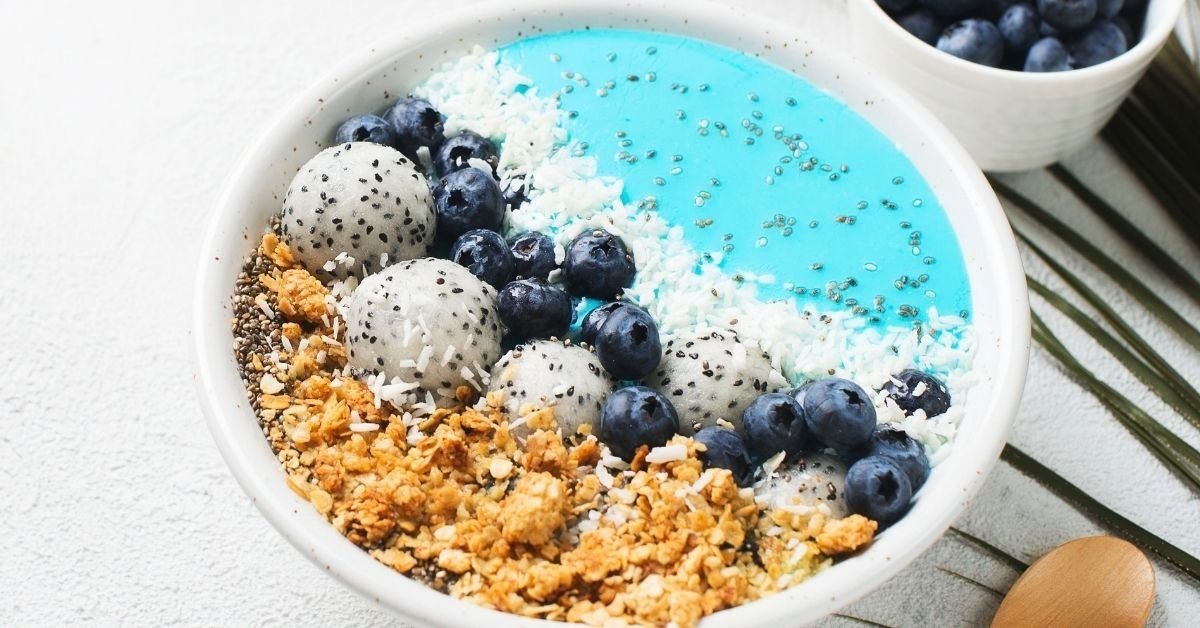
People often use blue spirulina to add color to drinks. For example, you can mix it into smoothies, shakes, and homemade lattes. Moreover, a small amount can create a strong blue shade without changing the drink too much.
Blue spirulina can make simple drinks look more attractive and fun. You can combine it with fruits, plant-based milk, yogurt, or other smoothie ingredients. However, choose food-grade products and follow the serving instructions on the package.
Read more for Info: https://swiftsavory.com/great-wall-chinese-food-a-guide-to-popular-chinese-dishes/
Blue Seafood Options
Some seafood naturally shows blue tones on its body or shell. Blue crab is a familiar example of this type. Its shell can appear bright blue when it is alive. Other marine animals may also have blue or bluish features.
Seafood can add several nutrients to a balanced eating plan. Wide varieties provide protein, minerals, vitamins, and healthy fats. For instance, some fish contain omega-3 fatty acids. However, the nutrient content differs from one seafood variety to another.
Blue seafood can bring both flavor and visual appeal to a meal. You can grill, steam, bake, or add it to soups and salads. Moreover, fresh seafood can provide a pleasant savory taste. Always handle and cook seafood properly to help keep your meal safe.
Nutrients in Blue Foods
Naturally blue foods can supply different nutrients that the body needs. Blueberries offer fiber, vitamin C, and vitamin K. Blue potatoes provide carbohydrates, potassium, and fiber. Likewise, blue corn can contribute fiber and other nutrients to your meals.
Many blue and purple plant foods contain natural compounds called anthocyanins. These compounds help create their rich blue, purple, or violet colors. In addition, they add to the nutritional value of many colorful plant foods.
Including several blue foods can make your diet more varied. For example, you can add blueberries to yogurt, oatmeal, or smoothies. You can also serve blue potatoes and blue corn with savory dishes. As a result, colorful ingredients can make everyday meals more interesting.
Health Benefits of Blue Foods
Blue foods can provide nutrients that support a healthy and balanced diet. Many plant-based choices contain fiber, vitamins, minerals, and antioxidant compounds.
Anthocyanins are natural compounds found in many blue and purple plant foods. These compounds have antioxidant properties that help the body deal with oxidative stress.
You can include these foods in simple meals throughout the day. Add blueberries to breakfast bowls, smoothies, or yogurt. Similarly, serve blue potatoes with lunch or dinner and use blue corn in tortillas.
Antioxidant Properties
Many naturally blue foods contain plant compounds with antioxidant properties. Anthocyanins give foods such as blueberries, blue corn, and blue potatoes their deep blue or purple appearance.
Antioxidants help the body manage oxidative stress. Blueberries contain a variety of natural plant compounds that make them a popular choice. In addition, eating fruits and vegetables in different colors can provide a wider range of beneficial plant compounds.
It is easy to include these foods in your regular meals. For example, add blueberries to oatmeal, yogurt, or a smoothie. You can also roast blue potatoes or include them in a fresh salad. Therefore, colorful foods can add both variety and useful nutrients to your diet.
Blue Foods for Heart Health
Some blue foods can fit into a heart-friendly eating pattern. Blueberries provide fiber and naturally occurring plant compounds such as anthocyanins. Blue potatoes and blue corn can also provide nutrients that complement a balanced diet.
A heart-conscious eating pattern can include fruits, vegetables, whole grains, and other nutrient-rich foods. Blue foods can become part of this variety without making meals complicated. For instance, you can add blueberries to oatmeal or yogurt for breakfast.
However, one food cannot provide all the support your heart needs. Overall eating habits matter more. Regular physical activity and other healthy lifestyle choices also play an important role.
Blue Foods for Healthy Digestion
Many blue foods contain dietary fiber, which can support normal digestion. Blueberries, blue potatoes, and blue corn are useful examples.
You can add blueberries to your daily meals without much effort. Mix them into yogurt, oatmeal, or smoothies for a quick option.
However, good digestion depends on more than one food. Drink enough water and eat a variety of fruits, vegetables, and whole grains. In addition, regular movement can support a healthy routine.
How to Add Blue Foods
You can add blue foods to your meals without making major changes. Begin with simple choices such as blueberries, blue potatoes, and blue corn. Mix blueberries into oatmeal or yogurt for breakfast. You can also roast blue potatoes for an easy side dish.
For a quick snack, enjoy blueberries with yogurt or choose blue corn chips with a suitable dip. Moreover, blue corn tortillas can pair well with beans, vegetables, chicken, or other fillings. These simple combinations can add more color and variety to familiar meals.
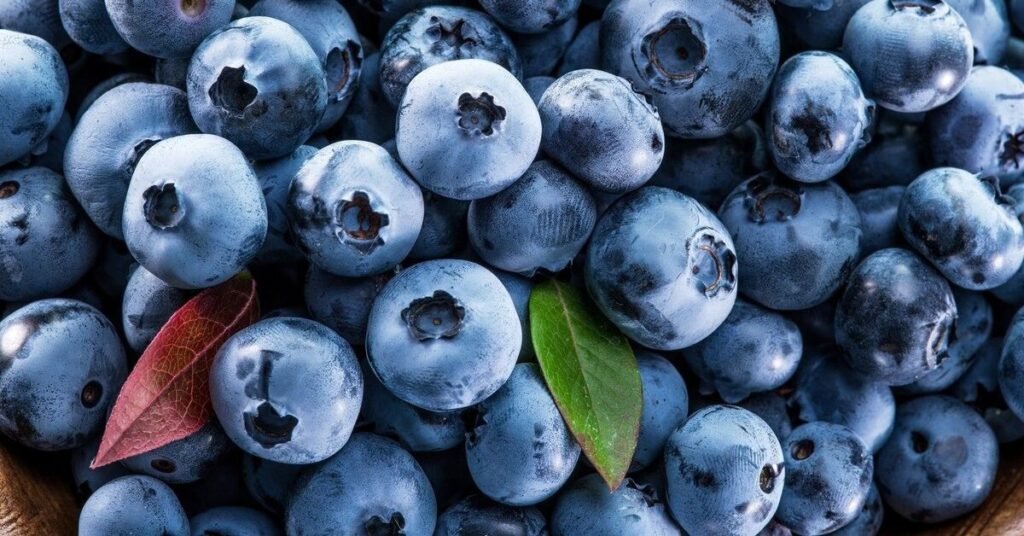
You can also try blue ingredients in new recipes. Add blueberries to muffins, salads, or homemade breakfast dishes.
Blue Foods in Everyday Meals
Blue foods can become part of many everyday meals. For breakfast, add blueberries to oatmeal, yogurt, or smoothies. Their natural sweetness can enhance a simple meal. You can also keep frozen blueberries available for quick snacks and recipes.
At lunch or dinner, serve blue potatoes as a colorful side dish. Roast, boil, or mash them with simple herbs and seasonings. Blue corn can also work well in tortillas, salads, and homemade snacks. In addition, these ingredients can bring variety to familiar dishes.
You can explore even more ways to use blue foods. Add blueberries to salads or homemade baked recipes for a fresh touch. Try blue corn tortillas with beans, vegetables, or lean protein. Likewise, you can include blue potatoes in bowls and mixed salads.
Tips for Choosing Blue Foods
Look for blue foods that appear fresh, clean, and of good quality. When buying fresh produce, check its texture, appearance, and smell. Choose firm fruits and vegetables without signs of spoilage.
Whenever possible, select foods that get their blue color naturally. Fresh blueberries, blue potatoes, and blue corn can provide useful nutrients. Also, check packaged food labels for added sugar, excess salt, and artificial colors.
| Blue Food | What to Look For | Recommended Option | Simple Ways to Use |
| Blueberries | Firm texture and fresh appearance | Fresh or frozen berries | Oatmeal, yogurt, smoothies |
| Blue Potatoes | Firm skin and smooth surface | Fresh potatoes | Roasting, boiling, salads |
| Blue Corn | Simple ingredient list | Whole-grain blue corn | Tortillas, chips, cornmeal |
| Blue Spirulina | Clear product information | Food-grade product | Smoothies, drinks |
| Blue Seafood | Fresh appearance and mild smell | Properly stored seafood | Grilling, steaming, soups |
| Packaged Blue Foods | Sugar, salt, and additives | Shorter ingredient list | Snacks, occasional meals |
| Frozen Blue Foods | Sealed and undamaged packaging | Properly frozen products | Smoothies, cooked dishes |
| Dried Blueberries | Added sugar level | Lower-sugar varieties | Snacks, oatmeal |
| Blue Cornmeal | Grain and ingredient quality | Whole-grain cornmeal | Baking, tortillas |
| Blue Food Products | Artificial coloring | Naturally colored choices | Treats and creative recipes |
(FAQs)
1. What are blue foods?
Blue foods are foods with natural blue or blue-purple colors. Examples include blueberries, blue corn, and blue potatoes.
2. Are blue foods good for you?
Many blue foods provide fiber, vitamins, minerals, and natural plant compounds. Their nutritional value depends on the specific food.
3. Which blue food is most popular?
Blueberries are one of the most familiar naturally blue foods. People commonly enjoy them in smoothies, oatmeal, yogurt, and snacks.
4. How can I include blue foods in my meals?
Add blueberries to breakfast, use blue corn tortillas for lunch, or serve roasted blue potatoes with dinner.
5. Does every blue food contain anthocyanins?
No. Many blue plant foods contain anthocyanins, but some blue foods get their color from other natural pigments or ingredients.
conclusion
Blue foods can bring interesting colors, flavors, and nutrients to everyday meals. Blueberries, blue corn, blue potatoes, and blue spirulina offer different ways to explore colorful food choices. Many plant-based options also provide fiber and natural plant compounds.
Adding these foods to your routine does not require complicated recipes. Choose fresh or minimally processed options when possible. In addition, combine them with other nutritious foods for a varied diet.
Blue Foods: Natural, Healthy, and Delicious Choices