Introduction
Basil is a fresh and fragrant herb used in many types of cooking. It has soft green leaves and a sweet, slightly peppery taste. In Spanish food, basil can add a fresh flavor to sauces, salads, and other dishes.
Spanish cuisine is known for simple ingredients and rich flavors. Fresh herbs can make these dishes even more enjoyable. If you love trying new flavors, basil can be an interesting ingredient to explore in Spanish cooking.
In this article, we will look at how basil is used in Spanish food. In addition, we will explore popular dishes, traditional uses, and simple ways to enjoy its flavor. The following ideas can help you understand the role that basil plays in Spanish cooking.
Role of Basil in Spanish Cuisine
Basil adds a fresh and pleasant flavor to Spanish-style dishes. Its sweet and slightly peppery taste can make simple foods more enjoyable. Fresh basil also adds a bright aroma and a touch of green color.
In Spanish cooking, basil can work well with tomatoes, olive oil, garlic, and vegetables. It can also complement pasta-inspired dishes, salads, sauces, and light meals. However, basil is not one of the most traditional herbs across all regions of Spain.
Today, many Spanish-style recipes use basil in modern and Mediterranean-inspired ways. Fresh leaves can be added near the end of cooking to keep their flavor. As a result, basil can bring a fresh touch to both classic-inspired and modern dishes.
History of Basil in Spain
Basil has been used around the Mediterranean for many centuries. Its early history connects with ancient regions where herbs were valued for cooking and other purposes. Over time, basil spread through trade and cultural exchange.
In Spain, basil became familiar through the movement of plants, foods, and cooking traditions across the Mediterranean. It was grown in gardens and used as a fresh herb. Still, basil was not as central to traditional Spanish cooking as parsley, rosemary, or thyme.
Today, basil has a place in both Spanish-inspired and modern Mediterranean recipes. Cooks often use fresh leaves with tomatoes, garlic, olive oil, and vegetables. This combination gives dishes a bright aroma and fresh taste.
Flavor and Aroma of Basil
Basil has a fresh and sweet flavor. It also has a mild peppery note that adds character to dishes. The taste is usually bright without being too strong.
Fresh basil has a pleasant herbal aroma. Its leaves can smell slightly sweet, warm, and earthy. When you tear or chop the leaves, the aroma becomes more noticeable.
Basil pairs well with tomatoes, garlic, olive oil, and vegetables. It can also balance rich or savory flavors in a dish. For the best taste, add fresh basil near the end of cooking or use it as a finishing herb.
Fresh Basil vs Dried Basil
There are some differences between fresh basil and dried basil when it comes to flavoring food. Fresh basil has a bright taste and a soft texture. Dried basil has a stronger, more concentrated herbal flavor.
Fresh basil works well in salads, sauces, and dishes where you want a fresh aroma. Add it near the end of cooking to protect its flavor. Dried basil is better for soups, stews, and sauces that cook for longer.
The choice depends on the recipe and the flavor you want. Fresh basil gives food a light and lively taste. Dried basil is convenient and easy to store, so it can be useful when fresh leaves are not available.
Popular Spanish Dishes
Spanish cuisine includes many flavorful dishes made with simple ingredients. Popular choices include paella, gazpacho, tortilla española, and patatas bravas. These dishes show the variety of flavors found across different regions of Spain.
Paella is often made with rice, vegetables, seafood, or meat. Gazpacho is a cool tomato-based soup that is refreshing on warm days. Tapas also play an important role in Spanish dining, with small dishes offering different tastes in one meal.
Basil can add a fresh touch to some modern Spanish-style dishes. It works especially well with tomatoes, vegetables, garlic, and olive oil. However, basil is not a defining ingredient in all traditional Spanish dishes.
Basil in Tomato Dishes
Basil and tomatoes make a fresh and flavorful combination. The sweet taste of ripe tomatoes works well with the herbal notes of basil. Together, they can add a bright Mediterranean touch to many dishes.
Fresh basil can be added to tomato sauces, salads, and simple vegetable dishes. It is best to add the leaves near the end of cooking. This helps keep their fresh aroma and delicate flavor.
Tomato dishes with basil can be served in many ways. They work well with bread, rice, pasta, or grilled vegetables. A little olive oil and garlic can also make the flavors more balanced and enjoyable.
Read more for Info: https://swiftsavory.com/best-beef-noodle-soup-recipe-for-a-cozy-family-dinner/
Basil in Spanish Salads
Basil can give salads a fresh and pleasant flavor. Its soft leaves add a light herbal taste to vegetables and other ingredients. Fresh basil also makes a simple salad look more colorful and inviting.
Basil pairs well with tomatoes, cucumbers, peppers, onions, and olives. You can tear the leaves by hand and mix them with the salad. A dressing made with olive oil, vinegar, garlic, and a little salt can bring the flavors together.
Spanish-style salads can use basil in simple and creative ways. It works especially well in warm-weather dishes with fresh vegetables. For the best taste, add basil just before serving so the leaves stay fresh and aromatic.
Basil and Spanish Seafood
Spanish cuisine includes many seafood dishes with fresh and simple flavors. Fish, shrimp, mussels, and squid are common choices. Basil can add a fresh herbal note that works well with these lighter seafood ingredients.
Fresh basil pairs nicely with seafood when combined with tomatoes, garlic, olive oil, or lemon. It can be added to sauces or used as a finishing herb. The fresh aroma can complement the natural taste of fish and shellfish without overpowering it.
Basil is more common in modern Spanish-style seafood dishes than in many traditional recipes. You can use it with grilled fish, seafood salads, or tomato-based seafood dishes. Add fresh leaves near the end for a brighter flavor and better aroma.
Basil in Vegetarian Dishes
Basil can bring a fresh flavor to many vegetarian dishes. Its sweet and slightly peppery taste works well with vegetables. Fresh leaves can also add a pleasant aroma and bright color.
You can add basil to roasted vegetables, salads, tomato dishes, and vegetable sauces. It pairs well with zucchini, peppers, eggplant, and tomatoes. Olive oil and garlic can make these flavors even richer.
Fresh basil works best when you add it near the end of cooking. This helps keep its natural aroma and taste. You can also tear the leaves and sprinkle them over the dish just before serving.
Basil in Soups and Stews
Basil can add a fresh herbal taste to soups and stews. Its mild sweetness works well with tomatoes, vegetables, beans, and other simple ingredients. The herb can make a warm dish smell more inviting.
Fresh basil usually works best when added near the end of cooking. This method helps protect its delicate flavor and aroma. Dried basil can go into the pot earlier because it needs more time to release its flavor.
Tomato soup, vegetable soup, and Mediterranean-style stews can all pair well with basil. You can also add fresh leaves as a finishing touch before serving. A little olive oil or garlic can further improve the overall flavor.
Basil in Tapas Recipes
Tapas are small Spanish dishes that offer many flavors in one meal. Basil can add a fresh and fragrant touch to different tapas recipes. Its mild sweetness works well with vegetables, cheese, tomatoes, and olive oil.
Fresh basil can be used in tomato-based tapas, vegetable bites, and simple bread toppings. You can also pair it with roasted peppers or soft cheese. These combinations create a light flavor without hiding the taste of the main ingredients.
Basil is more common in modern tapas than in traditional Spanish recipes. Add fresh leaves just before serving for the best aroma. You can also use chopped basil as a simple garnish to make tapas look fresh and colorful.
Basil in Spanish Sauces
Basil can add a fresh and fragrant taste to many Spanish-style sauces. Its sweet and slightly peppery flavor works well with tomatoes, garlic, and olive oil. It can make a simple sauce taste brighter and more balanced.
Fresh basil works well in tomato-based sauces and vegetable sauces. You can chop the leaves and add them near the end of cooking. This helps preserve their natural aroma and fresh flavor.
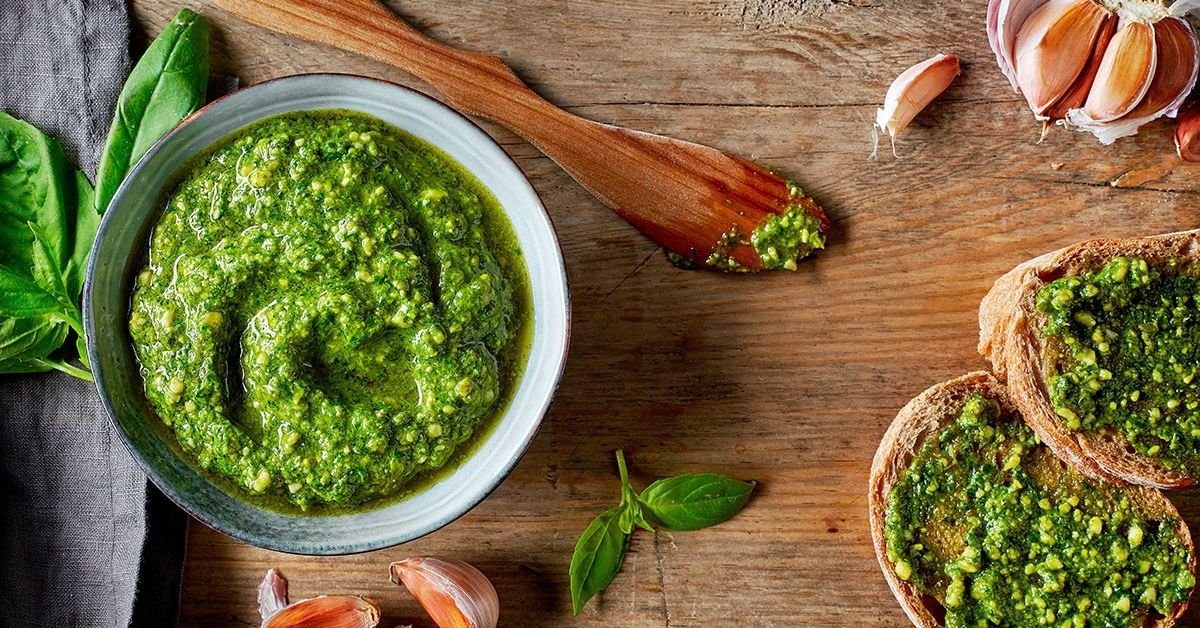
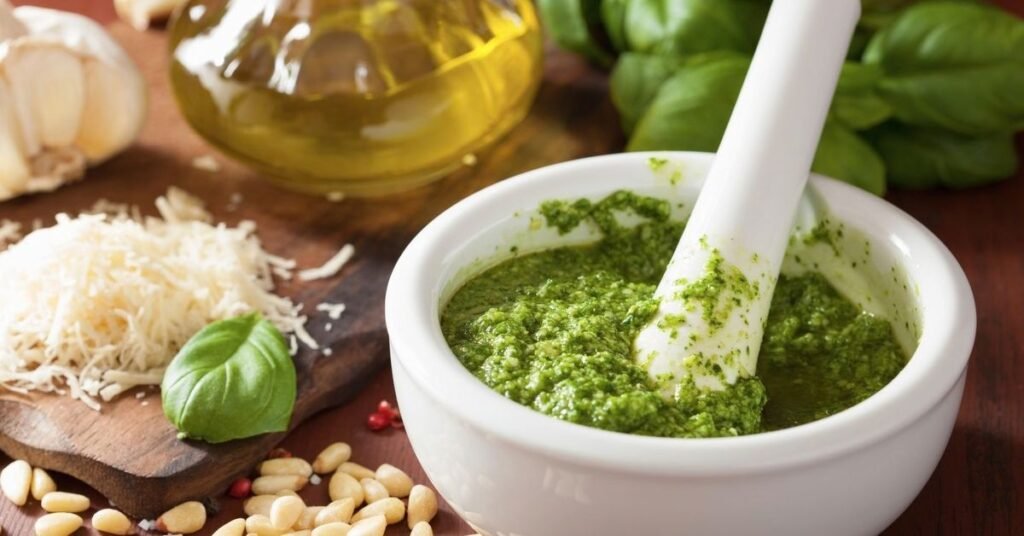
Basil sauces can pair with grilled vegetables, seafood, bread, and other light dishes. You can also blend fresh basil with olive oil, garlic, and other ingredients for a smooth sauce. For the best result, use fresh leaves and avoid cooking them for too long.
How to Use Fresh Basil
Fresh basil can add a bright flavor to many dishes. First, wash the leaves gently and dry them with a clean towel. You can then tear or chop the leaves before adding them to your recipe.
Add fresh basil near the end of cooking to protect its delicate flavor. You can mix it into tomato sauces, salads, soups, and vegetable dishes. Fresh leaves also work well as a topping for grilled foods and warm bread.
Store unused basil carefully to keep it fresh for longer. Keep the stems in a small glass of water and place it at room temperature. Avoid crushing the leaves until you are ready to use them, as this helps preserve their aroma.
Best Basil Pairings
Basil pairs well with many fresh and savory ingredients. Tomatoes are one of its best matches because their juicy taste balances the sweet herbal flavor of basil. Garlic, olive oil, onions, and peppers also work well with this herb.
You can combine basil with vegetables such as zucchini, eggplant, and roasted peppers. It also goes nicely with seafood, soft cheese, and fresh bread. These ingredients create simple dishes with a balanced Mediterranean-style flavor.
For a stronger taste, add basil with lemon, vinegar, or mild spices. Fresh basil works best in salads, sauces, and light dishes. Add the leaves near the end of cooking or just before serving to keep their fresh aroma.
Tips for Cooking With Basil
Use fresh basil when you want a bright and natural flavor. Wash the leaves gently and dry them before cooking. Add fresh basil near the end of cooking because long cooking can reduce its fresh aroma.
Choose dried basil for soups, stews, and sauces that cook longer. Start with a small amount, and adjust to taste.
| Cooking Tip | Best Practice | Why It Helps |
| Use fresh leaves | Add them near the end | Keeps the fresh aroma |
| Wash basil | Rinse gently and dry well | Removes dirt without damaging the leaves |
| Tear the leaves | Tear them just before serving | Helps preserve their texture and flavor |
| Use dried basil | Add it earlier during cooking | Gives the herb time to release its flavor |
| Pair with tomatoes | Add fresh basil to tomato dishes | Creates a balanced flavor |
| Add garlic | Combine basil with fresh garlic | Builds a stronger savory taste |
| Use olive oil | Mix basil with good-quality olive oil | Creates a smooth and rich flavor |
| Add to salads | Use fresh leaves before serving | Keeps the salad fresh and fragrant |
| Cook with seafood | Use a small amount of basil | Adds herbal flavor without overpowering seafood |
| Add to vegetables | Mix basil with roasted or grilled vegetables | Makes simple vegetables more flavorful |
| Avoid overcooking | Do not cook fresh basil for too long | Protects its delicate flavor |
| Store fresh basil | Keep stems in water at room temperature | Helps the leaves stay fresh |
| Store dried basil | Keep it in a cool, dry place | Protects its flavor for longer |
| Start with less | Add a small amount first | Makes the flavor easier to control |
| Taste before serving | Adjust basil and other seasonings | Creates a more balanced dish |
(FAQs)
1. Is basil commonly used in traditional Spanish food?
Basil is used in some Spanish and Mediterranean-style dishes, but it is not as traditional as herbs like parsley, rosemary, or thyme.
2. What Spanish foods pair well with basil?
Basil pairs well with tomato dishes, salads, vegetable recipes, sauces, and some seafood dishes.
3. Is fresh basil better than dried basil?
Fresh basil gives a brighter aroma and flavor, while dried basil works well in soups, stews, and sauces.
4. When should fresh basil be added to food?
Add fresh basil near the end of cooking or just before serving to keep its fresh flavor and aroma.
5. What ingredients pair well with basil?
Basil works well with tomatoes, garlic, olive oil, vegetables, seafood, cheese, and lemon.
conclusion
Basil can add a fresh and pleasant flavor to many Spanish-style dishes. It works well with tomatoes, vegetables, seafood, sauces, and salads. Fresh basil also brings a lovely aroma and color to simple meals.
Although basil is not one of the main traditional Spanish herbs, it has a place in modern Spanish and Mediterranean cooking. Use fresh leaves near the end of cooking for the best flavor.
Basil in Spanish Food: Traditional Uses and Popular Dishes