Introduction
Turtle food includes the meals and nutrients turtles need for healthy growth. Different turtles have different diets. Some eat more vegetables, while others need insects, fish, or other protein sources.
Choosing the right food can make a big difference in a turtle’s health. A balanced diet supports strong shells, steady growth, and good energy. However, feeding the wrong foods can cause nutritional problems over time.
In this guide, we will explore the best turtle food choices for different types of turtles. You will learn about vegetables, fruits, protein sources, commercial foods, feeding habits, and foods to avoid.
Turtle Food
Turtle food includes the foods that turtles need for healthy growth and daily energy. The right diet depends on the turtle’s species, age, and natural eating habits. Some turtles mainly eat plants, while others need a mix of plants and animal-based foods.
A balanced diet helps support strong shells, healthy growth, and normal activity. Fresh vegetables can provide important nutrients for many turtles. Some species also need fruits, insects, fish, or specially made turtle pellets.
Choosing suitable food is important for your turtle’s long-term health. Always consider its species before planning meals. Also, avoid foods that may be harmful or difficult for turtles to digest.
Natural Diet
A turtle’s natural diet depends on its species and habitat. Some turtles mainly eat leafy plants, grasses, and aquatic vegetables. Others eat insects, worms, small fish, or other animal foods.
Wild turtles usually eat a variety of foods. This variety gives them different nutrients and helps support normal growth. Therefore, a varied diet can be useful when planning meals for a pet turtle.
However, you should not copy a wild turtle’s diet without considering its species. Different turtles have different nutritional needs. Always choose foods that match your turtle’s natural eating habits.
Vegetables
Vegetables can be an important part of many turtles’ diets. Leafy greens such as kale, collard greens, and mustard greens can provide useful nutrients. Fresh vegetables also add variety to daily meals.
You can offer vegetables in small, bite-sized pieces. Wash them well before feeding your turtle. Rotate different suitable vegetables to provide a wider range of nutrients.
However, not every vegetable is safe for turtles. Avoid feeding large amounts of foods that may upset digestion or provide poor nutrition. Always choose vegetables based on your turtle’s species and dietary needs.
Protein Sources
Protein can play an important role in a turtle’s growth and daily health. Some turtles need animal-based foods as part of their diet. Suitable options can include insects, worms, small fish, and specially made turtle foods.
Young turtles often need more protein than adult turtles. You can offer suitable protein sources in small portions. However, the right amount depends on the turtle’s species, age, and natural diet.
Choose fresh and safe foods for your turtle. Avoid giving seasoned, fried, or processed meat. A balanced diet should provide enough protein without making animal foods the main part of every turtle’s meal.
Fruits
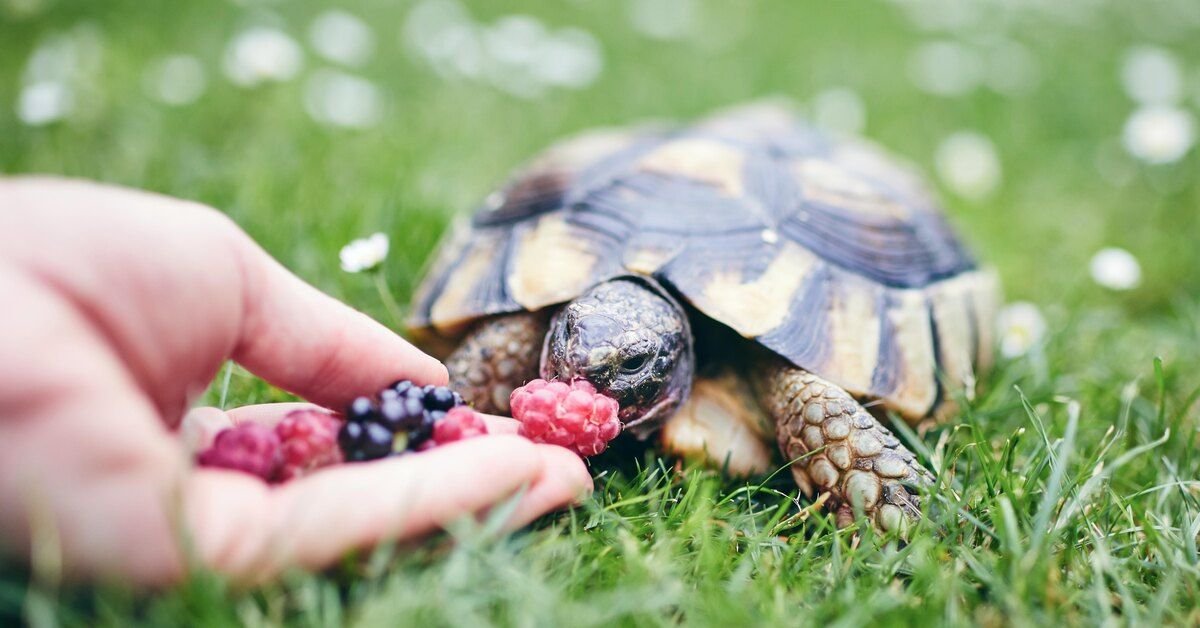
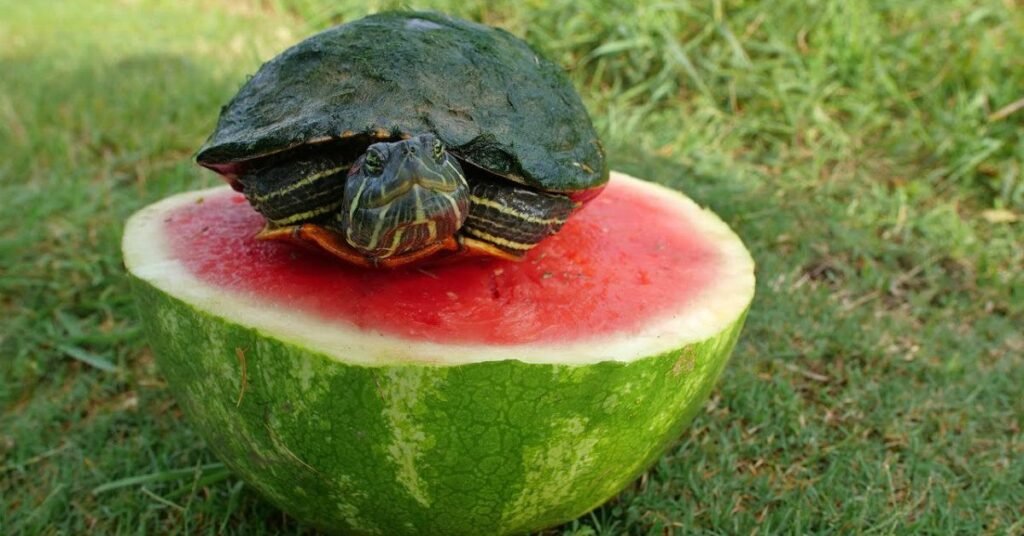
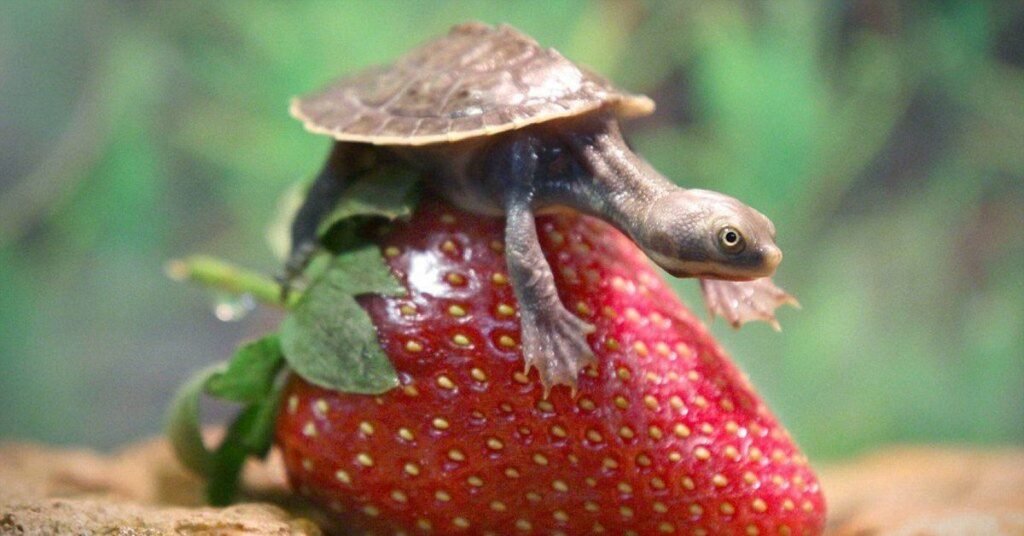
Fruits can add variety to a turtle’s diet. Some turtles enjoy foods such as strawberries, apples, melons, and berries. Fruits also provide water and some useful vitamins.
However, turtles should not eat large amounts of fruit. Too much natural sugar can make the diet unbalanced. Offer small portions as an occasional treat, depending on your turtle’s species and dietary needs.
Always wash fruit before feeding it to your turtle. Remove seeds, pits, and hard parts that may cause problems. Cut the fruit into small pieces so your turtle can eat it more easily.
Commercial Foods
Commercial turtle foods can make feeding easier for pet owners. These foods often come as pellets, sticks, or other prepared forms. Many products contain nutrients that support a turtle’s daily diet.
Choose a commercial food that matches your turtle’s species and age. Aquatic turtles and land turtles can have different nutritional needs. Always check the product label and follow the recommended feeding amount.
Commercial food should not always replace fresh foods when your turtle needs a varied diet. You can combine suitable prepared food with other foods recommended for its species. Also, keep fresh drinking water available when appropriate.
Aquatic Turtles
Aquatic turtles spend much of their time in or around water. Their food needs depend on their species and age. Many aquatic turtles eat a mix of animal foods, plants, and specially made pellets.
Young aquatic turtles often need more protein for growth. Suitable foods can include insects, worms, small fish, and quality turtle pellets. As they grow, many species eat more plant-based foods.
Feed aquatic turtles in a clean and suitable area. Give them portions that match their size and age. Also, remove leftover food from the water to help keep their habitat clean.
Foods to Avoid
Some foods can harm turtles or upset their digestion. Avoid giving turtles processed foods, salty snacks, sugary treats, and heavily seasoned foods. These foods do not provide the balanced nutrition turtles need.
You should also avoid foods that can cause choking or digestive problems. Do not offer spoiled food, raw meat with unsafe handling, or foods that are difficult for your turtle to eat. Always prepare fresh foods in small, suitable pieces.
The right foods depend on your turtle’s species and age. Therefore, check whether a food fits its natural diet before adding it to a meal. A simple and balanced diet can help support healthy growth and daily activity.
Read more for Info: https://swiftsavory.com/cotton-candy-and-candy-floss-history-taste-and-fun-facts/
Portion Sizes
The right portion size depends on your turtle’s species, age, and size. Young turtles may need more frequent meals as they grow. Adult turtles often need smaller amounts and fewer meals.
Give your turtle enough food to satisfy its needs without leaving large amounts behind. You can start with a small portion and adjust it based on its eating habits. Remove uneaten food after feeding to keep the habitat clean.
Avoid overfeeding your turtle, even if it seems hungry. Too much food can lead to excess weight and poor nutrition. Follow species-specific feeding guidelines for the healthiest routine.
Common Feeding Mistakes
One common mistake is giving a turtle too much food. Overfeeding can cause weight problems and an unbalanced diet. Instead, offer portions that match your turtle’s age, size, and species.
Another mistake is feeding the same foods every day. A limited diet may not provide all the nutrients your turtle needs. Therefore, offer a suitable variety of foods based on its natural diet.
Some owners also give turtles unsafe human foods. Salty, sugary, fried, or heavily seasoned foods can cause problems. Always check whether a food is safe before adding it to your turtle’s meals.
Feeding Schedules
A feeding schedule helps you give your turtle food at the right time and in suitable amounts. The best schedule depends on its species, age, size, and activity level. Young turtles may need more frequent meals than adults.
Try to feed your turtle at a consistent time each day when possible. Give it enough time to eat, then remove leftover food from the habitat. This routine can also help you notice changes in appetite.
Avoid following one schedule for every turtle. Different species have different needs. Therefore, learn your turtle’s natural diet and adjust its feeding routine as it grows.
Water and Hydration
Fresh water is important for a turtle’s health and daily activity. Aquatic turtles need clean water in their habitat for swimming and normal behavior. Land turtles also need access to suitable water for drinking and hydration.
Change the water regularly to keep it clean and fresh. Remove food waste and other debris from the habitat. Clean water also helps reduce the buildup of harmful bacteria.
Some turtles get extra moisture from fresh vegetables and other foods. However, food should not replace a proper water source. Always provide water in a way that suits your turtle’s species and habitat.
Adult Turtles
Adult turtles have different food needs than growing turtles. Most adults need a balanced diet with suitable vegetables and other foods based on their species. Their meals should provide enough nutrients without adding too many calories.
You should adjust the amount of food as your turtle grows. Give fresh and suitable foods in reasonable portions. Also, watch your turtle’s eating habits and body condition to avoid overfeeding.
A varied diet can keep mealtimes healthy and interesting. Choose foods that match your turtle’s natural diet. With proper portions and good food choices, adult turtles can maintain healthy growth and daily energy.
Land Turtles
Land turtles mostly eat foods that grow on land. Many species enjoy leafy greens, grasses, flowers, and other safe plants. Their exact diet can vary based on their species and natural habitat.
Fresh plant foods can provide fiber and important nutrients. Wash vegetables and greens before offering them. You can also provide a small variety of suitable foods to keep meals balanced.
Avoid giving land turtles too many sweet fruits or processed foods. Their meals should match their natural eating habits. A suitable diet can support healthy digestion, a strong shell, and normal daily activity.
Baby Turtles
Baby turtles need nutritious food to support fast growth and healthy development. Their diet depends on the species, but many young turtles need more protein than adults. Offer small portions of suitable foods and keep their meals fresh.
Feed baby turtles according to their species and age. Young turtles can eat insects, leafy greens, pellets, or other suitable foods. The table below gives simple feeding ideas, but always choose foods that match your turtle’s specific needs.
| Food Type | Examples | Main Benefit | Feeding Note |
| Leafy Greens | Kale, collard greens, mustard greens | Fiber and nutrients | Cut into small pieces |
| Safe Vegetables | Squash, carrot, bell pepper | Vitamins and variety | Offer fresh |
| Protein Foods | Worms, insects, small fish | Supports growth | Use suitable portions |
| Turtle Pellets | Species-specific pellets | Balanced nutrients | Follow label instructions |
| Aquatic Plants | Duckweed, water lettuce | Plant nutrients | Use clean, safe plants |
| Fruits | Berries, melon | Variety and moisture | Give only when suitable |
| Fresh Water | Clean drinking water | Supports hydration | Change regularly |
(FAQs)
1. What should baby turtles eat?
Baby turtles need foods that match their species. Many young turtles need protein-rich foods along with suitable vegetables or turtle pellets.
2. How often should baby turtles eat?
Young turtles often need more frequent meals than adults. Follow a feeding schedule based on their species, age, and size.
3. Can baby turtles eat vegetables?
Yes, many baby turtles can eat suitable vegetables. Choose fresh options that fit their natural diet and cut them into small pieces.
4. Can baby turtles eat fruit?
Some baby turtles can eat small amounts of suitable fruit. However, fruit should not replace their main nutritious foods.
5. Should baby turtles eat turtle pellets?
Species-specific turtle pellets can provide useful nutrients. Choose a quality product and follow the feeding instructions on the label.
conclusion
Choosing the right food can help your turtle stay healthy and active. Give foods that match its species, age, and natural diet. Fresh vegetables, suitable protein, and quality commercial foods can support proper nutrition.
Also, avoid overfeeding and unsafe foods. Keep fresh water available and follow a suitable feeding routine. With simple and careful food choices, you can support your turtle’s growth and long-term health.
Turtle Food: Best Healthy Choices for Every Turtle