Introduction
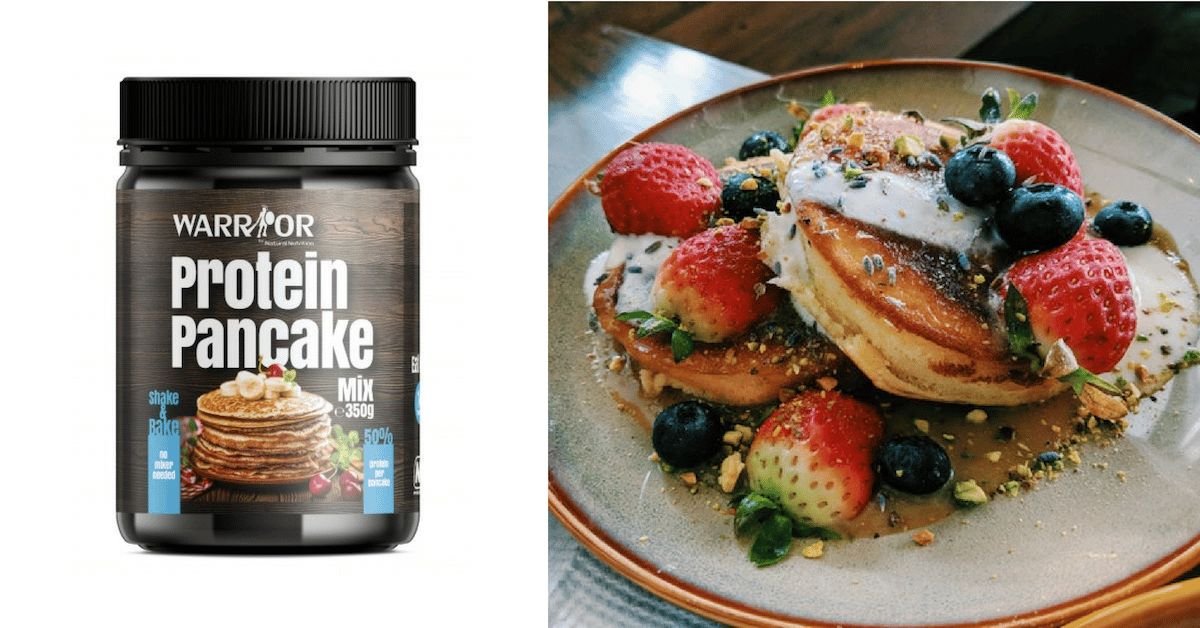
High-protein pancakes are a healthy twist on the traditional breakfast staple. They combine classic ingredients like flour, milk, and eggs with protein-packed sources such as protein powder, Greek yogurt, or cottage cheese.
Imagine enjoying stack after stack of warm, fluffy pancakes without feeling sluggish afterward. Most traditional breakfast options leave you hungry again within an hour, all without ruining your nutrition goals.
In this guide, you will learn how to make delicious high-protein pancakes right at home. We will cover the best ingredient combinations, step-by-step cooking techniques, and easy meal-prep tips.
Master High Protein Pancakes Recipe
This simple recipe delivers light, fluffy pancakes every time. You only need a few simple ingredients to get started. Combine rolled oats, your favorite protein powder, eggs, and a splash of milk in a blender.
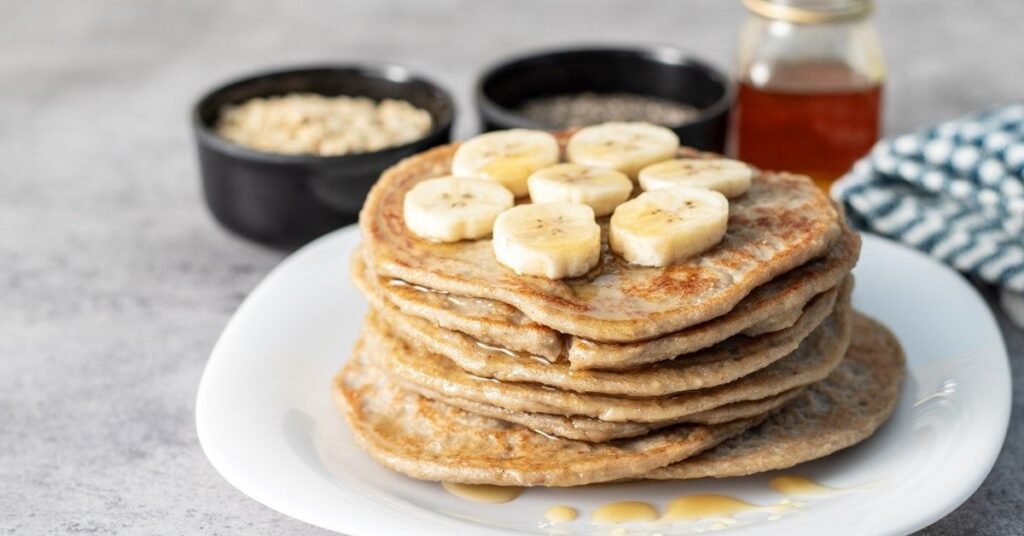
Heat a non-stick skillet over medium-low heat and lightly coat it with cooking spray or butter. Pour small portions of batter onto the hot pan to form medium circles. Cook for about two to three minutes until tiny bubbles form on top.
Serve your warm stack right away with your favorite healthy toppings. Fresh berries, a drizzle of pure maple syrup, or a spoonful of peanut butter work great. This easy recipe makes a quick, nourishing breakfast that fuels your busy morning.
Nutritional Value vs. Regular Pancakes
Regular pancakes are mostly made of refined flour, white sugar, and milk. This combination gives you quick energy, but it often leads to a fast sugar crash. They are usually high in carbohydrates and low in essential nutrients.
Protein-boosted stacks change the nutrient balance completely. By adding ingredients like protein powder, Greek yogurt, or eggs, you add quality protein and healthy fats.
The overall macronutrient numbers show a massive difference between the two options. A standard pancake stack might give you around 6 to 8 grams of protein. In contrast, a protein-packed stack can easily deliver 20 to 30 grams per serving.
Health Benefits of a Protein Breakfast
Starting your morning with a high-protein meal gives your body steady, long-lasting energy. High-protein foods take longer to digest than refined carbs and sugar. This means you avoid the sudden energy spikes and mid-morning crashes.
Protein helps keep you full and satisfied for hours after eating. It balances your hunger hormones and reduces cravings for unhealthy snacks later in the day. This simple habit makes it much easier to manage your weight and stick to healthy eating choices.
Eating protein early in the day also supports your muscle health. Your body uses these essential nutrients to repair tissue, rebuild muscles, and recover from workout routines. A protein-rich breakfast helps maintain your lean muscle mass and boosts your overall metabolism over time.
Best Flour and Carb Bases
You need a solid base to build a great pancake texture. Rolled oats work as a fantastic choice because they blend into a smooth flour. Whole wheat flour also adds natural fiber and keeps the batter sturdy.
Flourless options offer a great alternative for low-carb or gluten-free diets. Almond flour creates a rich flavor and adds healthy fats to your meal. Coconut flour absorbs liquid quickly and gives a light, airy crumb.
Choosing the right base changes how your batter holds liquid. Oats create a thick texture, while grain-free flours require more liquid or extra eggs. Experimenting with different bases helps you find your favorite taste and texture.
Choosing the Right Protein Powder
Selecting the right protein powder shapes the final texture of your pancakes. Whey protein blends easily and creates light, fluffy stacks. However, cooking whey for too long can sometimes make the pancakes dry.
Plant-based powders like pea or soy protein absorb much more liquid than dairy powders. You must add extra milk or an extra egg when using vegan options. Casein protein creates a thicker batter and yields a soft, cake-like result.
Always choose a powder flavor that complements your morning meal. Vanilla and chocolate powders add natural sweetness without extra refined sugar. Unflavored protein powder works best if you plan to enjoy savory toppings.
Natural Whole-Food Protein Boosters
You do not need protein powder to make a protein-rich breakfast. Whole foods like cottage cheese and Greek yogurt add natural protein effortlessly. They create a rich, creamy batter while keeping every bite soft and moist.
Eggs and egg whites form another powerful protein base for your batter. Whole eggs provide essential fats and help bind all ingredients together. Adding extra egg whites boosts the protein content without increasing the total fat.
Nut butters and seed meals bring extra nutrients and subtle flavor to the mix. Peanut butter, almond butter, and chia seeds enhance both taste and nutrition. These natural additions keep your meal simple, healthy, and completely free from artificial ingredients.
Healthy Low-Sugar Toppings
Traditional maple syrup loads your morning meal with excess refined sugar. Replace heavy syrups with fresh berries like blueberries, strawberries, and raspberries. Berries provide natural sweetness, vibrant color, and powerful antioxidants.
Warm nut butter creates a rich, satisfying topping for your warm stack. Drizzle melted peanut butter or almond butter over the top for extra healthy fats. A sprinkle of chia seeds, hemp seeds, or crushed walnuts adds a delightful crunch.
Greek yogurt serves as a high-protein substitute for whipped cream. Whisk Greek yogurt with a drop of vanilla extract for a creamy topping. You can also use sugar-free syrups or a light dusting of cinnamon powder.
Cooking Heat and Flipping Guide
Mastering stovetop heat prevents burnt edges and raw centers. Heat your skillet over medium-low heat before adding any batter. A pan that is too hot burns the outside before the inside cooks through.
Pour your batter onto the hot pan to form neat, equal circles. Watch the surface closely for tiny bubbles to appear and pop. When the edges look set and dry, slide your spatula underneath smoothly. Flip the pancake with one gentle wrist motion to keep its shape.
Cook the second side for just one to two minutes until golden brown. Avoid pressing down on the pancake with your spatula while it cooks. Pressing squashes out the trapped air and destroys the light, fluffy texture.
Read more for Info: https://swiftsavory.com/quick-10-minute-healthy-tuna-salad-recipe-for-weight-loss/
Common Mistakes to Avoid
Cooking with protein batter requires a few smart adjustments to avoid common errors. Using too much protein powder makes the pancakes dense, dry, and chalky. Balance your protein powder with equal parts oats, flour, or fruit purees.
High heat ruins protein batter faster than regular batter. Protein powders brown quickly and scorch easily under high flame settings. Keep your stove burner on medium-low heat throughout the entire cooking process.
Flipping your pancakes too early ruins their shape and leaves the center raw. Wait until the bubbles pop and the edges lift away from the pan naturally. Use a wide, thin spatula to support the full pancake during the flip.
Vegan, Keto, and Dairy-Free Options
You can easily adapt this recipe to suit any dietary lifestyle. For a vegan version, swap whole eggs for flax eggs or chia seeds. Use plant-based protein powder and your favorite nut milk like almond or oat milk.
Keto followers can replace high-carb grains with almond flour and coconut flour. Use unsweetened protein powder, whole eggs, and heavy cream or coconut milk. Sweeten the batter with natural erythritol or stevia drops to keep carbs extremely low.
Dairy-free options require only basic ingredient substitutions in your kitchen. Use plant-based protein powders and dairy-free milk alternatives like coconut milk. Replace cottage cheese with mashed banana or avocado for natural creaminess.
Meal Prep and Freezing Guide
Making a large batch saves valuable time on busy weekday mornings. Cook a big stack of pancakes on the weekend and let them cool completely. Layer the cooled pancakes between sheets of parchment paper inside an airtight container.
Freezing cooked pancakes gives you a quick breakfast option for weeks. Place cooled pancakes on a baking sheet in a single layer and freeze for one hour. Transfer the frozen pancakes into a freezer-safe zip bag for long-term storage.
Reheating your frozen pancakes takes less than two minutes in the morning. Pop frozen pancakes straight into a toaster for a crispy outer texture. You can also reheat them in a microwave for 30 seconds for a soft finish.
Delicious Flavor Variations
Changing up your flavor add-ins keeps your breakfast routine fun and exciting. You can fold fresh blueberries or sliced strawberries directly into the batter. For a cozy twist, mix in a dash of ground cinnamon and a splash of vanilla extract.
Chocolate lovers can easily satisfy their morning sweet tooth in a healthy way. Add a tablespoon of unsweetened cocoa powder or a handful of dark chocolate chips to the mixture. You can also swirl in a spoonful of creamy peanut butter for a rich, peanut butter cup flavor.
Seasonal flavors bring extra variety to your kitchen throughout the year. Pumpkin pie spice and pumpkin puree create a warm autumn stack. Lemon zest and fresh raspberries offer a bright, refreshing taste for sunny summer mornings.
Ingredients for Soft and Moist Texture
Dry pancakes ruin a good morning routine, but simple additions fix the problem. Ripe mashed bananas add natural moisture and sweet flavor to the batter. Pumpkin puree and unsweetened applesauce also create a soft crumb without extra calories.
Healthy fats play an essential role in creating a tender texture. A small spoonful of melted coconut oil or butter coats the flour particles gently. This step prevents tough gluten bonds from forming while you mix the batter.
Do not skip natural humectants like real honey or maple syrup. A small teaspoon of liquid sweetener holds moisture inside the pancake while it cooks. These simple ingredients ensure your pancakes stay soft, tender, and juicy every single time.
Batter Preparation Tips
Great pancakes start with proper mixing techniques in the kitchen. Combine your dry ingredients in a large bowl before pouring in any liquid components. Whisk the wet and dry mixtures together gently until everything comes together.
Letting your prepared batter rest on the counter for five to ten minutes makes a huge difference. This brief rest allows the dry ingredients to fully absorb the liquid and gives the baking powder time to activate.
Batter Troubleshooting & Prep Quick Guide
| Step / Problem | Ideal Action | Why It Works |
| Mixing Wet & Dry Ingredients | Stir gently until just combined; leave small lumps | Prevents gluten development, keeping pancakes tender and soft |
| Resting the Batter | Let sit at room temperature for 5–10 minutes | Allows flour to hydrate fully and activates baking leaveners |
| Batter Is Too Thick | Whisk in 1–2 tablespoons of milk or water | Helps the batter spread evenly across the skillet |
| Batter Is Too Thin / Runny | Add 1 tablespoon of ground oats or flour | Prevents pancakes from spreading too flat and becoming thin |
| Protein Powder Clumping | Blend dry ingredients first or use a blender | Ensures a smooth batter without chalky dry pockets |
| Dry / Rubber Texture Avoidance | Avoid over-whisking or over-blending the mixture | Retains trapped air for a light, airy crumb |
Frequently Asked Questions
1. How long can I keep leftover protein pancakes in the fridge?
You can store cooked pancakes in an airtight container in the refrigerator for up to 5 days.
2. Can I make the pancake batter the night before?
Yes, you can mix the batter ahead of time and store it covered in the fridge overnight.
3. Why are my high protein pancakes flat and dense?
Over-mixing the batter or using too much protein powder usually causes them to lose fluffiness.
4. Can I freeze cooked protein pancakes for meal prep?
Yes, freeze them in a single layer before transferring to a freezer bag for up to 2 months.
5. What is the best way to reheat frozen pancakes?
Pop them directly into a toaster for a crisp finish or microwave them for 30 seconds to keep them soft.
conclusion
Making high-protein pancakes at home is quick, simple, and incredibly satisfying. By combining wholesome grains, natural protein sources, and fresh toppings, you can create a breakfast that supports your health goals.
Healthy eating should always feel effortless and enjoyable. With a few basic prep techniques, you can enjoy fluffy, nutrient-packed stacks every day of the week. Start flipping your favorite batch today and take control of your morning energy.