Introduction
Healthy pasta recipes are simple dishes made with nutrient-dense ingredients. They trade heavy creams and processed meats for wholesome swaps like whole grains, fresh vegetables, lean proteins, and heart-healthy fats.
Who says you have to give up pasta to stay healthy? You do not need to cut carbs completely to reach your wellness goals or feel good after dinner. In fact, a warm bowl of pasta can be both incredibly satisfying and good for you.
This collection brings you the best meal ideas that balance big flavors with clean eating. From vibrant veggie dishes to high-protein options, these easy recipes prove that eating well never has to be boring.
What Makes Healthy Pasta Recipes Different From Traditional Comfort Food
Traditional pasta dishes often rely heavily on rich ingredients. They feature refined white noodles, thick cream sauces, and large amounts of processed meats. These meals taste great in the moment. However, they can leave you feeling heavy and low on energy afterward.
Healthy pasta recipes focus on balance and quality ingredients. Instead of heavy butter and cream, they feature light olive oil, fresh tomato purées, or blended vegetables.
The main difference lies in how these dishes nourish your body. Lighter options are loaded with fiber, vitamins, and lean proteins. You get to enjoy a satisfying, warm bowl of food that keeps you full for longer. Best of all, you get the comfort you crave without the usual energy crash.
Choosing the Right Noodles: Whole Wheat, Chickpea, and Lentil Options
Picking the right noodle is the easiest way to make your meal healthier. Traditional white pasta is stripped of most of its natural goodness during processing. Alternative noodles keep those essential nutrients intact.
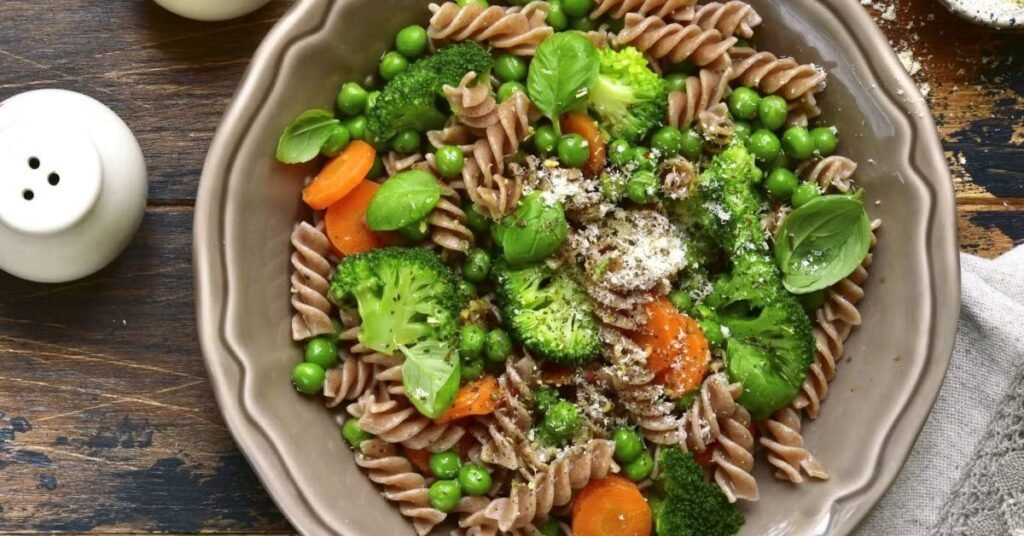
Whole wheat pasta is a fantastic, everyday option. It is packed with natural fiber that supports good digestion. These noodles have a subtle, earthy flavor and a hearty texture. They pair exceptionally well with rich tomato sauces and leafy green vegetables.
If you want more protein, legume-based noodles are a game changer. Chickpea and lentil pastas contain up to twice the protein of regular noodles. They are naturally gluten-free and keep you feeling full for hours.
How to Swap Heavy Creams for Light and Flavorful Sauces
Heavy cream gives pasta dishes a rich texture, but it also adds unnecessary saturated fats and heavy calories. Luckily, you can easily create smooth, satisfying sauces without using dairy cream.
One easy trick is using blended vegetables like cooked cauliflower, roasted butternut squash, or sweet carrots. When puréed with a bit of warm broth, they turn into a thick, velvety sauce.
You can also rely on classic kitchen staples for immense flavor without any heavy fat. A simple splash of starchy pasta water mixed with a little extra virgin olive oil creates a light, glossy glaze that coats every noodle.
Boosting Fiber Content with Seasonal Vegetables
Adding fresh seasonal vegetables is one of the easiest ways to lift the fiber in any pasta dish. Fiber supports smooth digestion, controls blood sugar, and keeps you full for hours.
Seasonal produce brings peak flavor, maximum nutrition, and budget-friendly value to your kitchen. Spring asparagus, summer zucchini, autumn squash, and winter kale each add unique textures to your bowl.
Aim to fill at least half of your bowl with colorful vegetables. You can chop them finely to blend into sauces or leave them in bite-sized chunks for extra bite. This simple addition doubles the volume of your meal without loading it with empty calories.
Incorporating Lean Proteins to Keep You Full Longer
Adding lean protein turns a simple plate of pasta into a complete, balanced meal. Protein slows down digestion, which helps prevent sudden blood sugar spikes after you eat. It keeps your appetite satisfied for hours and helps maintain strong, healthy muscles.
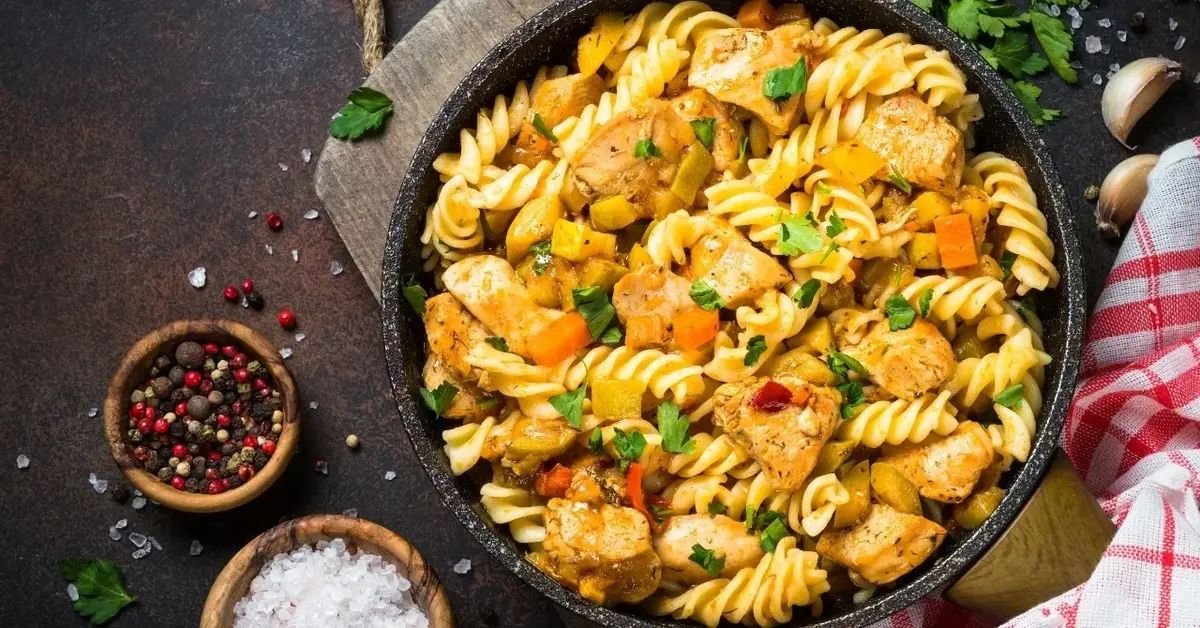
Great protein choices are easy to add to almost any pasta dish. Grilled chicken breast, turkey meatballs, and sautéed shrimp are classic meat options that stay low in saturated fat.
You do not need massive portions to feel the benefits. A palm-sized serving of protein mixed into your noodles works wonders. It adds great texture, enhances the overall flavor, and keeps you from reaching for late-night snacks.
Quick One-Pot Meals for Busy Weeknights
One-pot pasta meals are a total lifesaver when you have a busy schedule. You cook the noodles, vegetables, and sauce all together in a single pot. This simple method saves you precious time and cuts down on messy dishes after dinner.
As the pasta simmers directly in the liquid, the noodles release natural starches. These starches mix with your broth, herbs, and seasonings to build a rich, flavorful sauce automatically. You do not need complex steps or separate pans to pull off a delicious dinner.
These fast meals take under twenty minutes from start to finish. You can toss in baby spinach, cherry tomatoes, garlic, and your favorite whole-grain noodles for a quick feast. It is the perfect solution for satisfying your cravings on tiring weeknights without ordering takeout.
Read more for Info: https://swiftsavory.com/gluten-free-blueberry-muffins-with-streusel-topping/
Refreshing Mediterranean Olive Oil and Herb Tosses
Mediterranean-style pasta dishes use pure, simple ingredients to build big flavor. Instead of heavy, cream-based sauces, these meals rely on high-quality extra virgin olive oil. This healthy fat supports your heart and gives every bite a smooth, rich coating.
Fresh herbs bring incredible freshness to these light pasta tosses. Chopped basil, oregano, parsley, and rosemary instantly add vibrant aroma and crisp flavor.
These dishes are extremely quick and effortless to prepare. Simply toss warm, freshly cooked whole-wheat or legume noodles in your olive oil and herb mixture. Add juicy cherry tomatoes, sliced olives, and a sprinkle of crumbled feta cheese for a light, delicious dinner.
Nutrient-Dense Plant-Based and Vegan Creations
Plant-based and vegan pasta dishes bring incredible health benefits to your dinner table. These recipes rely completely on whole foods from the earth, such as beans, seeds, nuts, and fresh produce.
Creating creamy vegan sauces is surprisingly easy and rewarding. You can blend soaked raw cashews with garlic and lemon juice for a rich, dairy-free alfredo sauce.
These colorful meals keep your digestion light and your body energized. You can toss your noodles with roasted mushrooms, sun-dried tomatoes, and massaged kale. Every single bite delivers wholesome nutrition that satisfies your hunger and feels wonderfully comforting.
Zesty Seafood Pairings for a Light Dinner
Seafood makes a fantastic addition to any light pasta dish. Lean options like tender shrimp, flaky cod, mussels, and seared scallops cook in just minutes. They provide high-quality protein and essential omega-3 fatty acids without adding heavy fats or excess calories.
A bright, zesty sauce elevates the natural sweetness of fresh seafood. Simply combine freshly squeezed lemon juice, minced garlic, a dash of white wine, and crushed red pepper flakes.
Pairing seafood with whole-wheat or zucchini noodles creates an effortless, restaurant-style meal. Throw in fresh arugula, juicy cherry tomatoes, or chopped parsley for extra color and crisp texture.
Pairing Your Meals with a Fresh Side Salad
Pairing your pasta with a fresh side salad is a great way to round out your meal. The crisp, cool crunch of raw greens balances the warm texture of cooked noodles. This simple side dish adds vibrant color to your plate while making your dinner feel like a complete restaurant experience.
Salads deliver an easy boost of fiber, essential vitamins, and hydrating minerals. Dark leafy greens like spinach, arugula, and crisp romaine help slow down digestion and stabilize blood sugar.
Keep your dressing light so it complements your pasta instead of overpowering it. A basic blend of extra virgin olive oil, fresh lemon juice, and a pinch of sea salt works wonders.
How to Reheat and Store Leftovers Without Losing Flavor
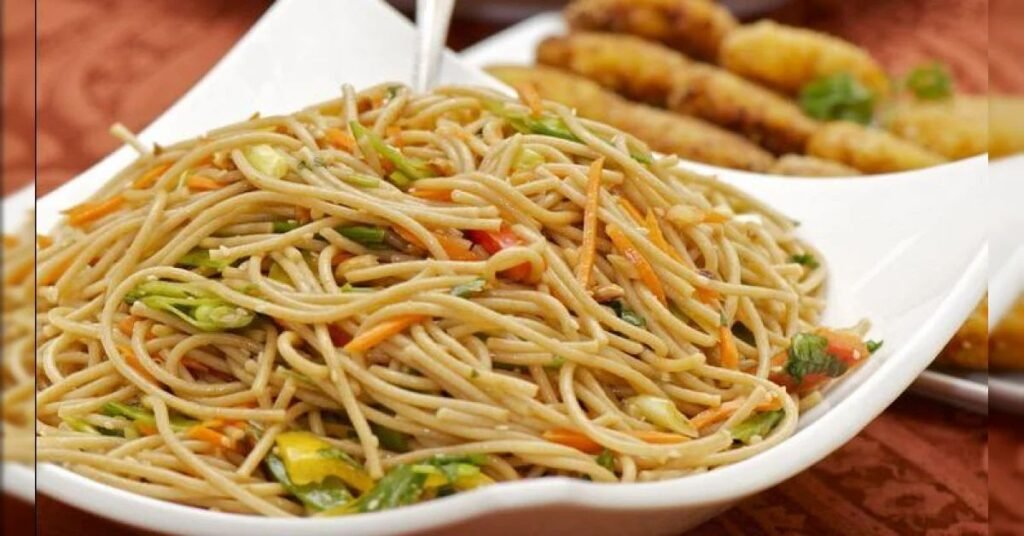
Storing your leftover pasta properly keeps it fresh and safe to eat for days. Let your cooked meal cool down completely before putting it away. Transfer the food into an airtight glass or plastic container and place it in the refrigerator right away.
Reheating pasta the right way prevents it from drying out or turning mushy. Avoid using high heat in the microwave, which can overcook the noodles. Instead, add a small splash of water or broth to the dish before warming it up. This restores moisture and keeps the sauce smooth.
You can also reheat your leftovers on the stove over medium-low heat. Stir the food gently and add a tiny drizzle of olive oil to bring back that fresh flavor. These simple steps ensure your next-day meal tastes just as amazing as the first time you made it.
Making Flavorful Broths and Simple Garlic Infusions
Broths and garlic infusions offer an easy way to build deep flavor without adding heavy fats. Simmering aromatic ingredients like onions, celery, and herbs in clear broth creates a light, savory base.
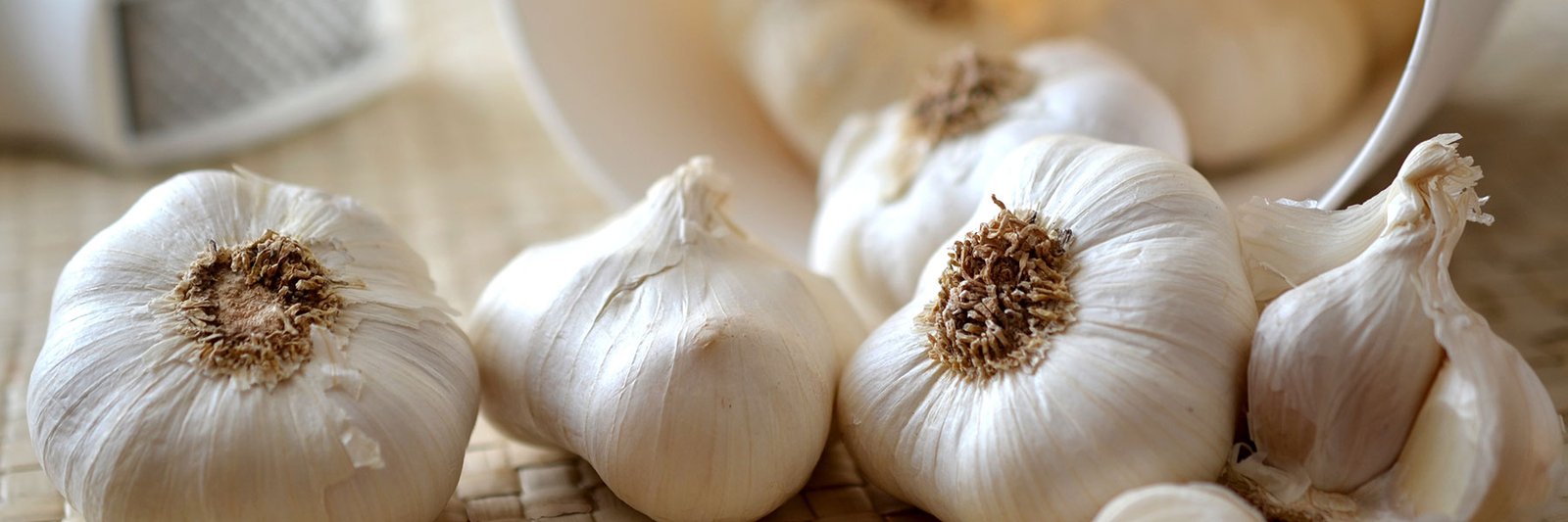
Garlic infusions add a warm, rich aroma to your favorite dishes. Simply warm crushed garlic cloves gently in a spoonful of extra virgin olive oil over low heat. The warm oil absorbs the garlic essence completely without burning the delicate cloves.
Using broth and infused oil lets you ditch heavy cream and butter entirely. You can toss your cooked noodles directly into the warm garlic liquid with a splash of pasta water.
Low-Carb Zucchini and Squash Alternatives
Zucchini and squash noodles offer a brilliant way to enjoy pasta without the extra carbohydrates. You can easily spiralize fresh vegetables into long, thin strands that look just like traditional spaghetti.
These veggie noodles cook in less than two minutes. You only need to toss them briefly in a hot pan with a little olive oil. They absorb savory sauces wonderfully while adding a fresh, crisp texture to your plate.
Using vegetable noodles helps you eat more produce every day. They reduce the overall calorie count of your dinner while keeping you fully satisfied. You get all the comfort of a big bowl of pasta without the heavy, sluggish feeling afterward.
Simple Spice Blends to Elevate Everyday Sauces
Using the right spice blends is a quick way to turn a basic sauce into a restaurant-quality meal. Dried herbs and warm spices add incredible depth without adding extra calories or sodium.
A classic Italian blend of dried basil, oregano, thyme, and rosemary works on almost everything. You can add a pinch of garlic powder and crushed red pepper flakes for a subtle kick.
Adding spices early in the cooking process unlocks their natural oils and full flavor. Simply bloom them in a pan with a tiny bit of olive oil before pouring in your liquid base. This simple step turns ordinary store-bought ingredients into a rich, mouthwatering pasta dish.
Smart Portion Control and Meal Prep Tips
Portion control helps you enjoy your favorite pasta dishes while staying on track with your health goals. It is very easy to overeat when a warm bowl of noodles tastes delicious.
Meal prep makes eating well effortless on busy weekdays. You can cook a big batch of whole-grain or legume noodles on the weekend and store them in individual airtight containers.
| Step / Strategy | Actionable Tip | Best For |
| Dry Measuring | Use a scale or measuring cup before boiling (aim for 2 oz / 56g dry pasta per person). | Precise calorie and macro management |
| Visual Plate Method | Fill 1/2 of your plate with veggies, 1/4 with lean protein, and 1/4 with pasta. | Effortless portion control without counting |
| Batch Cooking Noodles | Toss cooked noodles with a tiny drizzle of olive oil so they do not stick together in storage. | Quick assembly during busy weeknights |
| Separate Packaging | Store sauces and wet toppings in separate jars from cooked pasta. | Preventing mushy noodles during reheat |
| Pre-Portioned Containers | Pack single-serving glass lunch boxes as soon as cooking is finished. | Grab-and-go weekday lunches |
| Freezer-Friendly Sauces | Freeze vegetable purées and tomato sauces in silicone ice cube trays for easy thawing. | Long-term prep and zero waste |
Frequently Asked Questions (FAQs)
1. Is whole wheat pasta healthier than regular white pasta?
Yes, whole wheat pasta retains the natural grain bran and germ, offering significantly more fiber, vitamins, and minerals that keep you full longer.
2. How do I stop my cooked meal-prepped pasm sticking together?
Toss your freshly cooked, drained noodles with a light drizzle of extra virgin olive oil before storing them in airtight containers.
3. What is the best gluten-free substitute for regular pasta?
Chickpea, lentil, and brown rice pastas are excellent gluten-free options that offer great texture along with high protein and fiber content.
4. How can I make a creamy pasta sauce without using heavy dairy cream?
You can blend cooked cauliflower, soaked cashews, or silken tofu with warm broth and garlic to create a rich, silky sauce without dairy.
5. How long does cooked healthy pasta last in the refrigerator?
Stored in an airtight container, cooked pasta and homemade vegetable sauces will stay fresh and flavorful for up to 4 to 5 days.
Conclusion
Eating healthy pasta does not mean giving up flavor or comfort. By choosing nutrient-dense noodles, lighter sauces, and plenty of fresh vegetables, you can enjoy a satisfying bowl that nourishes your body.
Healthy cooking is all about balance and finding what works best for your daily routine. Try out these simple tricks, experiment with seasonal ingredients, and discover your new favorite combinations.
The Ultimate Collection of Healthy Pasta Recipes Packed with Nutrients