Introduction
Fromm is a well-known pet food brand that offers many dog food recipes for different breeds, ages, and dietary needs. Each formula is made with carefully selected ingredients to provide balanced nutrition. The brand focuses on quality, taste, and the overall health of dogs.
When choosing dog food, it can be difficult to make the right choice. Every dog has different needs based on its age, size, activity level, and health. You can support healthy growth, improve digestion, and keep your dog active and happy by choosing the right formula.
This guide explains the different Fromm recipes and what makes each one unique. You will learn about the ingredients, nutritional benefits, and how to choose the best formula for your pet.
Comparison with Other Premium Dog Food Brands
Fromm stands out for offering many recipes for puppies, adults, and senior dogs. The brand uses high-quality proteins, whole grains, fruits, and vegetables in many of its formulas. It also produces
Other premium brands, such as Orijen, Acana, Blue Buffalo, Wellness, and Taste of the Wild, also provide balanced nutrition. Some focus on high-protein or grain-free recipes, while others offer limited-ingredient options for dogs with food sensitivities.
The best dog food depends on your pet’s individual needs. Some dogs do well with grain-inclusive recipes, while others may need special diets recommended by a veterinarian.
Customer Reviews and Real Experiences
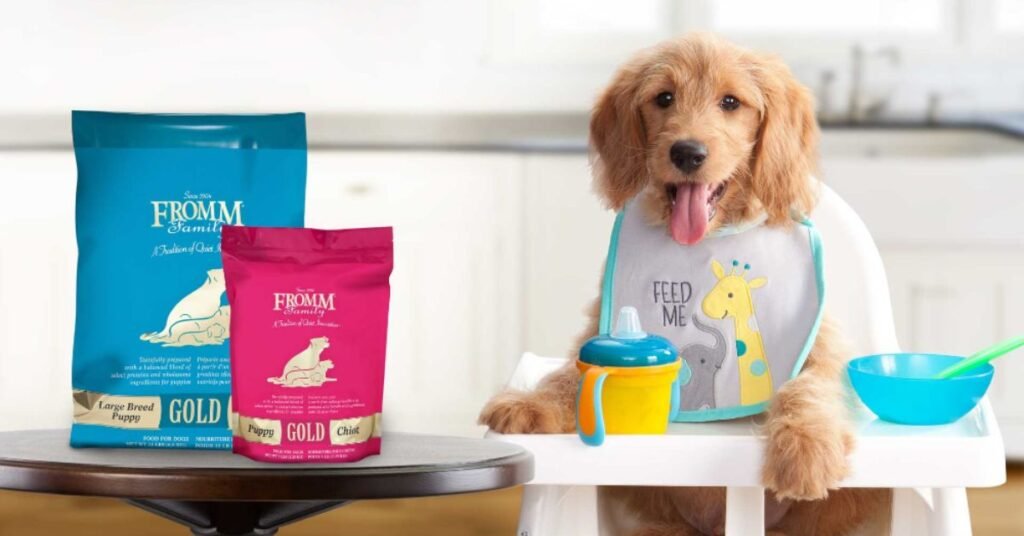
Many dog owners share positive reviews about Fromm dog food. They often say their dogs enjoy the taste and finish every meal. Some also notice healthier coats, better digestion, and improved energy after switching to this brand.
Real-world experiences can vary because every dog has unique nutritional needs. While many pets do well on Fromm recipes, some dogs may need time to adjust to a new formula.
Reading customer reviews can help you understand how the food performs in everyday use. In making your decision, you shouldn’t rely solely on reviews. Benefits for Different Dog Breeds and Life Stages
Brand History and Reputation
Quality can be determined a lot by a brand’s history. Companies with many years of experience often have strong knowledge of pet nutrition. They usually improve their recipes over time based on research and customer feedback.
A good reputation is built through consistent quality and customer satisfaction. Many well-known dog food brands follow strict safety standards during production. They also use quality ingredients and clear labeling.
It is always a good idea to research a brand before buying its products. Check if the company has had any major recalls and how it handled them. Brands that are honest and transparent often earn greater trust.
Safety, Recalls, and Customer Trust
Dog food safety is one of the most important considerations. Trusted brands follow strict quality control during production. They test ingredients and finished products to help ensure they are safe for dogs. These steps reduce the risk of contamination and other problems.
Sometimes, a company may recall a product if it finds a safety issue. A recall does not always mean the brand is poor. What matters is how quickly the company responds and informs customers. Honest communication and fast action help protect pets and build trust.
Customer trust grows when a brand is open and reliable. Clear ingredient labels, helpful customer support, and regular quality checks make owners feel more confident. Reading reviews and checking a brand’s safety record can also help you make a better choice.
Feeding Guidelines and Portion Sizes
Feeding the right amount of food is important for your dog’s health. The correct portion depends on your dog’s age, breed, size, and activity level. Puppies usually need more frequent meals than adult dogs. Following the feeding guide on the food package is a good place to start.
Portion sizes should be adjusted as your dog’s needs change. Active dogs may need more food to maintain their energy. Less active or senior dogs may need smaller portions to avoid weight gain. Always provide fresh, clean water with every meal.
Watch your dog’s body condition and weight over time. If your dog is gaining or losing too much weight, adjust the portion size gradually. Regular visits to the veterinarian can also help you choose the right feeding plan.
Manufacturing Standards and Quality Control
In order for dog food to be of high quality, manufacturing standards must be met. Trusted companies follow strict rules during every step of production. They carefully select ingredients and use clean facilities. This helps ensure the food is safe and consistent.
Quality control includes testing both raw ingredients and finished products. These tests help detect harmful bacteria, contaminants, or quality issues before the food reaches stores. Many manufacturers also inspect their equipment and production lines regularly.
Brands with strong quality control are more likely to produce reliable dog food. They often share information about their safety practices and ingredient sourcing. This transparency helps build customer confidence.
Pros and Cons
Every dog food brand has its strengths and weaknesses. High-quality brands often use real meat, healthy ingredients, and balanced nutrition. Many also offer recipes for different breeds, sizes, and life stages. Supporting the overall health of your dog is possible with these features.
However, some products may cost more than others. Certain recipes may not suit dogs with food allergies or sensitive stomachs. Some brands also have fewer flavor options. It is important to choose a product that matches your dog’s specific needs.
Before deciding, weigh the pros and cons. Read the ingredient list, check customer reviews, and look at the feeding recommendations. A little research can help you find the best option for your pet.
Conclusion
Choosing the right dog food is one of the best ways to support your dog’s health and happiness. A balanced diet provides the nutrients your dog needs for growth, energy, and overall well-being.
Take time to compare ingredients, feeding guidelines, safety standards, and customer reviews. A trusted brand with quality ingredients can make a big difference in your dog’s long-term health.
Here is the content in simple English with short sentences and a human tone, along with a detailed table.

Product Lines and Available Recipes
Most dog food brands offer several product lines to meet different needs. You can find dry kibble, wet food, grain-free recipes, limited-ingredient diets, and high-protein formulas. Some brands create food for puppies, adult dogs, and senior dogs.
Many recipes support specific health goals. Many recipes support specific health goals. Some recipes improve healthy digestion, while others promote skin and coat health, help with weight management, or support joint health. Brands also offer recipes for small, medium, and large dog breeds.
| Product Line | Best For | Main Ingredients | Key Benefits | Available Life Stage |
| Dry Kibble | Daily feeding | Chicken, rice, vegetables | Complete and balanced nutrition | Puppy, Adult, Senior |
| Wet Food | Dogs that need extra moisture | Chicken, beef, broth | Easy to chew and highly palatable | Adult, Senior |
| Grain-Free Formula | Dogs with grain sensitivities | Turkey, sweet potato, peas | Grain-free nutrition | Adult |
| Limited-Ingredient Diet | Dogs with food allergies | Lamb, potato | Fewer ingredients to reduce sensitivities | Adult |
| High-Protein Recipe | Active and working dogs | Chicken, salmon | Supports muscle growth and energy | Adult |
| Puppy Formula | Growing puppies | Chicken, brown rice | Supports healthy growth and brain development | Puppy |
| Senior Formula | Older dogs | Chicken, oatmeal | Supports joint health and healthy aging | Senior |
| Weight Management | Overweight dogs | Lean chicken, vegetables | Helps maintain a healthy weight | Adult |
| Sensitive Stomach Recipe | Dogs with digestive issues | Salmon, rice | Gentle on the stomach and easy to digest | Adult |
FAQs
1. How do I choose the right dog food for my dog?
Choose dog food based on your dog’s age, breed, size, and health needs. Always check the ingredient list and nutritional values before you buy dog food.
2. What are the benefits of grain-free dog food for all dogs?
No. Grain-free food is only necessary for dogs with specific grain allergies or sensitivities. Most dogs can digest grains without any problems.
3. How often should I feed my dog?
Puppies usually need three to four meals a day. Adult dogs are often fed once or twice daily, depending on their age and activity level.
4. What can I do if my dog does not like a new food?
Introduce the new food slowly by mixing it with the old food over several days. This helps your dog adjust to the new taste and supports healthy digestion.
5. How do I know if a dog food brand is trustworthy?
Look for brands with high-quality ingredients, clear labeling, strong safety standards, and positive customer reviews. A good reputation and transparent practices are also important.
1. How do I choose the right dog food for my dog?
Choose dog food based on your dog’s age, breed, size, and health needs. Always check the ingredient list and nutritional value before buying.
2. Is grain-free dog food better for all dogs?
No. Grain-free food is only necessary for dogs with specific grain allergies or sensitivities. Most dogs can digest grains without any problems.
3. How often should I feed my dog?
Puppies usually need three to four meals a day. Adult dogs are often fed once or twice daily, depending on their age and activity level.
4. What should I do if my dog does not like a new food?
Introduce the new food slowly by mixing it with the old food over several days. This helps your dog adjust to the new taste and supports healthy digestion.
5. How can I tell if a dog food brand is trustworthy?
Look for brands with high-quality ingredients, clear la