Introduction
Matrix food refers to how ingredient structure affects nutrient absorption. When preparing meals for a soft diet, changing this natural structure helps make food easy to chew and digest
Many people worry that switching to a soft food diet means giving up taste. Bland, watery meals can quickly make eating feel like a chore rather than a pleasure. However, soft eating does not have to be boring or plain.
Rich flavors can be preserved while meals are altered in texture. By using the right cooking methods and seasoning techniques, you can create soft, nutrient-rich dishes that taste amazing. Let’s explore simple ways to make soft meals both healthy and delicious.
Understanding the Food Matrix Concept
The food matrix is a simple idea. It is the natural structure of food. Every piece of food has a unique framework that holds its nutrients together.
Think of an apple or a piece of broccoli. Their inner parts are tightly packed. When you chew, your teeth break open this matrix. This allows your body to release vitamins, minerals, and energy.
If food is too hard to chew, changing that structure helps. You alter the matrix, so your body can still get all the goodness inside. It makes healthy eating easy and safe for everyone.
How Structural Breakdown Aids Digestion
Digestion begins long before food reaches your stomach. It starts when you chew and break large pieces into smaller bits. This physical breakdown opens up the food structure.
Smaller pieces are much easier for your stomach to handle. Digestive enzymes can quickly reach all parts of the meal. This speeds up processing and helps your body soak up key nutrients faster.
Softening food helps your digestive system save valuable energy. It reduces bloating, gas, and stomach strain. As a result, your gut stays happy and healthy throughout the day.
Soft Diets vs. Pureed Diets
Soft diets and pureed diets are not the same thing. A soft diet uses tender, naturally easy-to-chew foods. You can still see and recognize what you are eating on your plate.
Pureed diets take texture modification a step further. Foods are blended with liquid until they are completely smooth and free of lumps. They look similar to pudding or smooth mashed potatoes.
Choosing between them depends on your specific swallowing needs. Soft diets require some chewing ability, while pureed foods require almost none at all. Both options help make eating safe, comfortable, and stress-free.
Who Benefits from Modified Textures?
Many different people benefit from eating modified-texture foods. It is not just about personal preference or comfort. These meals are often a medical necessity for daily health.
Older adults are among the most common groups who need them. Dental changes, missing teeth, or dry mouth can make chewing regular food painful. Modified meals make eating safe and enjoyable again.
People recovering from surgeries or injuries also need softer meals. Anyone healing from dental work, jaw procedures, or throat issues requires gentle food. These dishes provide essential healing nutrition without causing strain or pain.
Easing Swallowing and Supporting Healing
Swallowing should never feel painful or dangerous. When food is soft and tender, it glides down the throat with ease. This prevents choking and removes the fear of mealtime.
A gentle diet gives your digestive tract a well-deserved break. Your body can focus its energy on healing wounds, tissues, and sore muscles instead of grinding tough food. Faster healing helps you regain your strength sooner.
Comfortable eating also keeps your appetite strong during recovery. When meals are simple to swallow, you eat enough nutrients to fuel your body. Soft foods keep you nourished while your health returns to full power.
Overcoming Soft Diet Nutritional Gaps
Soft diets can sometimes miss key vitamins and minerals. When you cut or cook foods to make them soft, some nutrients can be lost. Eating the same few soft items every day can also limit your variety.
To fix this, choose nutrient-dense ingredients for your meals. Add healthy fats like olive oil, avocado, or smooth nut butters to boost calories. Eggs, soft fish, and well-cooked lentils are great sources of protein that keep you strong.
Blending extra vegetables into soups or sauces is another easy trick. You get all the essential vitamins without adding tough textures to chew. Small tweaks like these keep your soft diet rich, balanced, and healthy.
Matrix Food for Soft Meals Without Flavor Loss
Changing the structure of your food does not mean losing great taste. You can easily alter the texture of your meals while keeping every bite rich and flavorful. Simple cooking tricks allow you to break down tough fibers without dulling natural food flavors.
Slow cooking and steaming are excellent ways to soften foods while locking in deep flavor. Adding rich broths, gentle gravies, and creamy sauces adds both moisture and extra taste to your dish.
Altering your food matrix for soft eating should be a tasty experience. By pairing soft textures with powerful, natural flavorings, every meal stays delicious and exciting. You can enjoy perfectly softened, nourishing dishes that satisfy your taste buds every single day.
Best Cooking Methods for Softening
Cooking your food the right way makes all the difference. Some methods naturally break down tough fibers and cell walls. This leaves your ingredients naturally tender and easy to manage.
Steaming is a fantastic choice for vegetables and fish. It uses gentle heat to soften food while trapping essential vitamins inside. Slow cooking is another great option for meats and root vegetables, turning tough cuts into melt-in-your-mouth bites.
Pressure cooking works wonders in a short amount of time. It uses steam and high heat to break down dense food structures fast. Each of these methods gives you soft, delicious meals with minimal effort.
Read more for Info: https://swiftsavor.y.com/boursin-cheese-pasta-recipe-how-to-make-it-at-home/
Natural Thickening and Binding Agents
Sometimes soft foods need a little extra help to hold their shape. Natural thickening and binding agents make this easy. They turn thin liquids into smooth, safe textures without using artificial chemicals.
Chia seeds, flaxseeds, and ground oats are wonderful natural binders. As they absorb liquid, they become thick and gel-like. Pureed avocado or mashed bananas also add creaminess and structure to soups, sauces, and baked goods.
Starches like arrowroot powder, tapioca, and cornstarch work wonders in hot dishes. They give gravies and broths a rich, velvety feel. These simple kitchen ingredients make soft meal preparation smooth, safe, and delicious.
Boosting Flavor With Herbs and Sauces
Soft foods can sometimes taste a little dull. Herbs and sauces are the easiest way to fix this. They bring a burst of fresh taste to every single bite.
Fresh herbs like basil, parsley, and cilantro add bright green notes. You can chop them very fine or blend them into smooth oils and pestos. This gives you amazing flavor without any tough textures to chew.
Savory sauces and light gravies also work wonders. They add moisture and rich flavor to meats and vegetables. A good sauce turns a simple soft meal into something you truly look forward to eating.
Best Soft Proteins and Vegetables
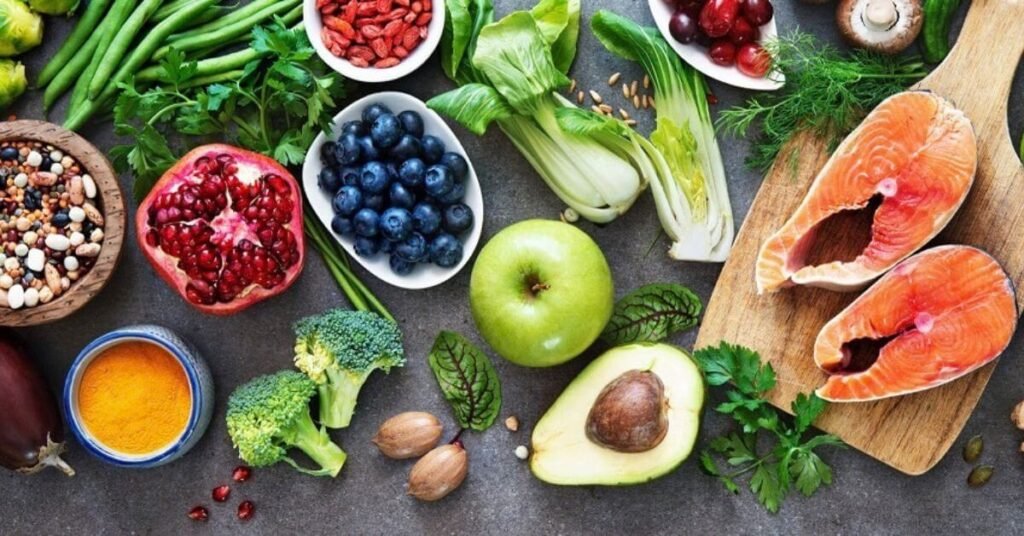
Finding the right proteins for a soft diet is very important. You need foods that give your body strength without being hard to chew. Eggs, soft-flaked fish like salmon, and well-cooked lentils are top choices.
Vegetables also play a huge role in a healthy, balanced plate. Root vegetables like carrots, sweet potatoes, and squash become wonderfully tender when boiled or roasted. They offer rich vitamins and a naturally smooth texture.
Making comfort food with these items is as easy as mashing or blending them. Pairing soft proteins with tender vegetables keeps your diet nutritious. Eating well remains simple, safe, and satisfying every single day.
Maintaining Daily Micronutrient Levels
Eating a soft diet can sometimes make it harder to get all your vitamins and minerals. When foods are heavily cooked or strained, certain micronutrients can wash away. This means you have to be extra mindful of what goes on your plate.
Focus on colorful, nutrient-dense ingredients whenever possible. Put spinach in soups or mix vegetable powder into your porridge in the morning.These small additions pack a powerful punch of vitamins without adding any rough textures.
Variety is also key to keeping your micronutrient levels high. Switch up your vegetables, proteins, and healthy fats throughout the week. A diverse plate ensures your body gets a wide spectrum of essential nutrients every single day.
Hydration Strategies for Soft Eating
Staying properly hydrated is just as important as eating nourishing food. When you follow a soft diet, drinking enough fluids keeps your body running smoothly. Keep your throat moist to make swallowing easier with water.
Water is always the best choice, but it is not your only option. Clear broths, herbal teas, and nutrient-rich bone broths provide great hydration with extra flavor. Smoothies and fruit-infused waters also make drinking fluids more enjoyable throughout the day.
You can also get plenty of hydration straight from your meals. Soups, pureed fruits, and cooked vegetables contain high water content. Mixing fluids directly into your food keeps every bite moist, safe, and easy to swallow.

Common Texture Modification Mistakes
Modifying food textures takes practice. Many people make simple mistakes when they change meals at home. Knowing what to avoid helps you keep your food safe and appetizing.
One common error is adding too much liquid at once. This turns your food into a watery mess instead of a smooth, soft meal. It ruins the natural flavor and makes the dish unappealing. Always add liquids slowly until you reach the right thickness.
Another mistake is overcooking everything until it loses all taste and color. Bland, gray food is hard to enjoy. You can protect flavors and nutrients by steaming gently or seasoning properly. Small changes make a big difference in your daily meals.
Food Safety and Storage Guidelines
Food safety is vital when preparing soft meals. Modified foods can spoil faster because of extra moisture and blending. Always wash your hands and kitchen tools thoroughly before you start cooking.
Store your soft meals in airtight containers inside the refrigerator. Eat them within two to three days to keep them fresh. If you freeze your meals, label them clearly with the date so you always know when they were made.
| Food Type | Safe Refrigerator Storage Time | Freezing Recommended? | Best Reheating Method |
| Pureed Vegetables | 2 to 3 days | Yes | Stovetop or microwave until steaming hot |
| Soft-Cooked Proteins | 2 to 4 days | Yes | Gently heat with added broth for moisture |
| Soups and Broths | 3 to 4 days | Yes | Bring to a gentle boil on the stove |
| Dairy-Based Soft Foods | 1 to 2 days | No | Warm gently on low heat, stir constantly |
| Cooked Grains and Cereals | 3 to 5 days | Yes | Add water or milk and microwave thoroughly |
(Frequently Asked Questions)
1. What is the main difference between a soft diet and a pureed diet?
A soft diet includes tender, naturally easy-to-chew foods, while a pureed diet consists of foods blended smooth without any lumps.
2. How do I soften food without losing its natural flavor?
Use cooking methods like gentle steaming or slow cooking with rich broths, and enhance the taste with finely ground herbs and aromatic sauces.
3. Why is texture modification important for swallowing difficulties?
Softened or blended textures allow food to glide easily down the throat, preventing choking and making eating safe and stress-free.
4. How can I make sure a soft diet provides enough vitamins and nutrients?
Include a wide variety of nutrient-dense foods like eggs, soft fish, root vegetables, and blend leafy greens into soups or sauces.
5. How long can soft or pureed meals be safely stored in the refrigerator?
Most soft and pureed meals can be safely stored in airtight containers in the refrigerator for two to three days.
Conclusion
Adapting to a soft food diet does not mean giving up delicious and satisfying meals. By choosing the right cooking methods and using natural flavor enhancers, you can create soft dishes that nourish your body and delight your taste buds.
Taking care of your health through modified textures is a journey toward better digestion and happier meal times. Embrace the wide variety of soft proteins, tender vegetables, and flavorful sauces available to you.
How to Prepare Matrix Food for Soft Diets Without Losing Flavor