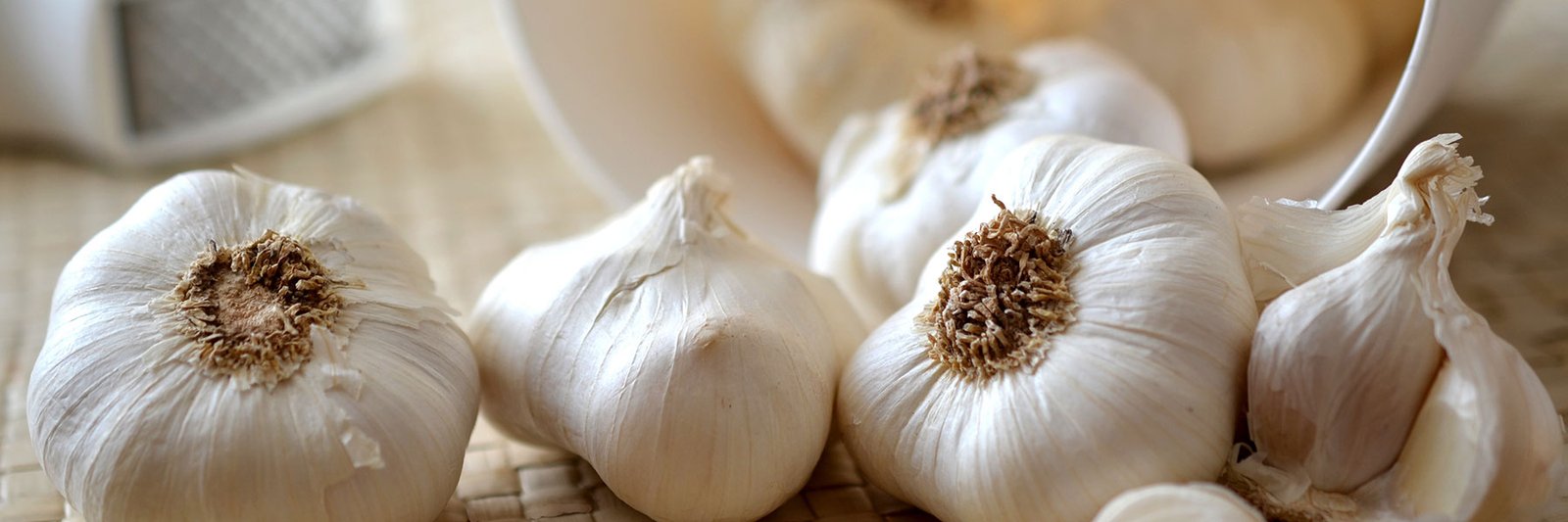

how to make soup stock

How to Make Soup Stock at Home: A Simple Step-by-Step Guide

Introduction

Soup stock is a flavorful liquid made by simmering vegetables, meat, bones, or herbs in water. It adds rich taste to soups, sauces, rice, and many other dishes. Homemade stock also lets you control the ingredients and flavor.

Making soup stock at home is easier than it sounds. You do not need fancy ingredients or cooking skills. With a few simple foods and some time, you can make a warm and flavorful stock that tastes much better than many store-bought options.

In this guide, you will learn how to make soup stock step by step. We will cover the best ingredients, cooking time, and simple storage tips. You can also adjust the recipe to make chicken, beef, or vegetable stock.

What Is Soup Stock?

Soup stock is a flavorful liquid made by slowly cooking bones, meat, vegetables, and herbs in water. The cooking process pulls flavor and nutrients from the ingredients. The result is a rich liquid that works as a base for many dishes.

Soup stock adds a deep and savory taste to food. You can use it in soups, stews, sauces, rice, and gravies. Homemade stock also lets you control the ingredients and seasonings.

Stock can be made with chicken, beef, or vegetables. Each type has a different flavor and works well in different recipes. With simple ingredients and slow cooking, you can make a tasty stock at home.

Best Bones for Stock

Chicken bones work very well for homemade stock. You can use wings, backs, necks, and feet. These bones add rich flavor and natural gelatin. As a result, the stock can become smooth and full-bodied.

Beef bones also make a rich and flavorful stock. Marrow bones add depth and body. Meanwhile, knuckle and joint bones provide more gelatin. For better flavor, roast the bones before cooking them.

However, you can also use other bones based on your recipe. Turkey bones work well for poultry stock. Therefore, choose fresh bones and combine different types when you want a deeper flavor.

Introduction
Soup stock is a flavorful liquid made by simmering vegetables, meat, bones, or herbs in water. It adds rich taste to soups, sauces, rice, and many other dishes. Homemade stock also lets you control the ingredients and flavor.
Making soup stock at home is easier than it sounds. You do not need fancy ingredients or cooking skills. With a few simple foods and some time, you can make a warm and flavorful stock that tastes much better than many store-bought options.
In this guide, you will learn how to make soup stock step by step. We will cover the best ingredients, cooking time, and simple storage tips. You can also adjust the recipe to make chicken, beef, or vegetable stock.
What Is Soup Stock?
Soup stock is a flavorful liquid made by slowly cooking bones, meat, vegetables, and herbs in water. The cooking process pulls flavor and nutrients from the ingredients. The result is a rich liquid that works as a base for many dishes.
Soup stock adds a deep and savory taste to food. You can use it in soups, stews, sauces, rice, and gravies. Homemade stock also lets you control the ingredients and seasonings.
Stock can be made with chicken, beef, or vegetables. Each type has a different flavor and works well in different recipes. With simple ingredients and slow cooking, you can make a tasty stock at home.
Best Bones for Stock
Chicken bones work very well for homemade stock. You can use wings, backs, necks, and feet. These bones add rich flavor and natural gelatin. As a result, the stock can become smooth and full-bodied.
Beef bones also make a rich and flavorful stock. Marrow bones add depth and body. Meanwhile, knuckle and joint bones provide more gelatin. For better flavor, roast the bones before cooking them.
However, you can also use other bones based on your recipe. Turkey bones work well for poultry stock. Therefore, choose fresh bones and combine different types when you want a deeper flavor.
Using Stock in Recipes
Stock can add rich flavor to many everyday recipes. You can use it as a base for soups and stews. It also works well in sauces and gravies. Therefore, stock can make simple meals taste more flavorful.
You can also use stock when cooking rice, pasta, and grains. Instead of using plain water, add stock for extra taste. Moreover, you can use it to cook vegetables or make creamy dishes. This simple change can improve the overall flavor.
Finally, keep some homemade stock ready in your kitchen. You can freeze it in small portions for easy use. As a result, you can quickly add flavor to your favorite recipes whenever you cook.
How to Make Soup Stock
Start by adding your bones, vegetables, herbs, and spices to a large pot. Next, pour in enough cold water to cover the ingredients. Then, bring the water to a gentle simmer. Avoid a strong boil because it can make the stock cloudy.
After that, let the stock cook slowly. Chicken stock usually needs a few hours, while beef stock can take longer. Meanwhile, skim away foam and excess fat from the surface. This step helps create a cleaner and better-tasting stock.
Finally, strain the stock through a fine-mesh strainer. Remove the bones, vegetables, and herbs. Let the stock cool before storing it. Therefore, you can keep it in the refrigerator for short-term use or freeze it for later recipes.
Adding Water
Start by placing your ingredients in a large pot. Then, add enough cold water to cover them completely. Avoid adding too much water because it can make the stock weak. Therefore, use just enough water to bring out the flavors.
As the stock cooks, some water will evaporate. You can add a little more water if needed. However, avoid adding large amounts at once. This helps you maintain a rich and balanced flavor.
Finally, keep the ingredients gently covered during cooking. A slow simmer works best. As a result, the water can slowly absorb the flavors from the bones, vegetables, and herbs.
Best Vegetables for Stock
Onions, carrots, and celery make excellent vegetables for stock. They create a flavorful base and add natural sweetness. You can also add garlic, leeks, and parsley stems for extra flavor. Moreover, fresh vegetables usually give the stock a cleaner taste.
You can also use mushrooms, tomatoes, and leftover vegetable pieces. However, avoid vegetables with very strong flavors if you want a balanced stock. For example, a small amount of cabbage can work, but too much may overpower the other ingredients.
Finally, chop the vegetables into large pieces before cooking. This helps them release their flavors slowly. Therefore, you can create a rich and tasty stock with simple vegetables.
Straining the Stock
Straining removes the bones, vegetables, herbs, and small pieces from the cooked stock. First, place a fine-mesh strainer over a large bowl or another pot. Then, slowly pour the hot stock through it. This step gives you a cleaner and smoother liquid.
Next, let the stock drain naturally. Avoid pressing the cooked vegetables too hard because they can make the stock cloudy. Also, handle hot stock carefully to prevent spills or burns. Therefore, take your time during this step.
Finally, check the strained stock for any small pieces. If needed, strain it again through a clean fine-mesh strainer. As a result, you will have clear, flavorful stock that you can use in soups, sauces, rice, and other recipes.
Storing Homemade Stock
Let the homemade stock cool before you store it. However, do not leave it at room temperature for too long. Pour the stock into clean, airtight containers. Then, place it in the refrigerator for short-term use.
You can also freeze stock for longer storage. Use freezer-safe containers or small portions for easy use. Moreover, leave some space at the top because the liquid expands when it freezes. This method makes it easy to use only the amount you need.
Finally, label each container with the date. Therefore, you can track how long you have stored the stock. When you need it, thaw frozen stock safely and reheat it thoroughly before using it.
Roasting the Ingredients
Roasting the ingredients can give your stock a deeper and richer flavor. Place the bones and vegetables on a baking tray. Then, roast them until they turn golden brown. This process brings out their natural sweetness and adds a savory taste.
Next, transfer the roasted ingredients to a large pot. Add cold water, herbs, and other seasonings. Then, bring everything to a gentle simmer. As a result, the roasted ingredients create a darker and more flavorful stock.
However, you do not always need to roast the ingredients. You can skip this step when you want a lighter stock. Therefore, choose the method that best matches your recipe and preferred flavor.
Simmering Time
Simmering time depends on the type of stock you make. Vegetable stock usually needs about 45 to 60 minutes. Chicken stock can simmer for several hours. Beef stock often needs more time to develop a rich flavor.
Keep the heat low and let the stock simmer gently. Avoid a strong boil because it can make the stock cloudy. Also, check the pot from time to time and remove any foam from the surface.
Finally, taste the stock as it cooks. If it has a rich aroma and strong flavor, it may be ready. Therefore, give bones enough time to release their flavor and natural gelatin.
Stock Ingredients?
Stock needs a few simple ingredients. You can use chicken or beef bones, or choose fresh vegetables for a meat-free option. Onions, carrots, and celery create a strong flavor base. Garlic, parsley, and bay leaves can add extra flavor.
Moreover, you can add herbs and spices based on your taste. Black peppercorns work well in most stocks. However, avoid adding too much salt because you can season the final dish later. Fresh ingredients usually give the stock a better taste.
Finally, choose ingredients that match your recipe. Chicken bones work well for light soups. Beef bones create a deeper flavor. Therefore, the right ingredients can help you make a rich and flavorful stock.
Common Stock Mistakes
One common mistake involves using too much water. Excess water can make the stock weak and bland. Instead, use enough water to cover the ingredients. Also, avoid adding too much salt at the beginning.
Another mistake involves boiling the stock too hard. A strong boil can make the stock cloudy. Instead, keep the heat low and let it simmer gently. Moreover, skim away foam and excess fat during cooking.
Finally, avoid skipping the straining step. Small bones, herbs, and vegetables can remain in the stock. Therefore, strain the stock carefully before storing or using it. With these simple tips, you can make cleaner and more flavorful stock.
Chicken, Beef, and Vegetable Stock
Chicken stock has a light and savory flavor. It works well in soups, sauces, rice, and stews. Beef stock offers a deeper and richer taste. You can use it in hearty soups, gravies, and meat-based dishes. Meanwhile, vegetable stock provides a fresh and lighter option.
You can choose the type of stock based on your recipe. Moreover, you can adjust the ingredients to create your preferred flavor. The table below shows the main differences between these three types.
Stock Type
Main Ingredients
Flavor
Cooking Time
Best Uses
Chicken Stock
Chicken bones, onion, carrot, celery, herbs
Light and savory
3–4 hours
Soups, rice, sauces, stews
Beef Stock
Beef bones, onion, carrot, celery, herbs
Rich and deep
4–6 hours
Gravies, stews, soups, meat dishes
Vegetable Stock
Onion, carrot, celery, garlic, herbs
Fresh and mild
45–60 minutes
Vegetable soups, rice, sauces, pasta
Roasted Chicken Stock
Roasted chicken bones and vegetables
Rich and slightly sweet
3–4 hours
Soups, sauces, gravy
Roasted Beef Stock
Roasted beef bones and vegetables
Deep and hearty
4–6 hours
Gravies, stews, sauces
Mushroom Vegetable Stock
Mushrooms, vegetables, herbs
Earthy and savory
45–60 minutes
Vegan soups, sauces, rice


(FAQs)
1. What is the best bone for making stock?
Chicken backs, wings, and feet work well. Beef knuckles and marrow bones also create rich stock.
2. How long should I simmer stock?
Vegetable stock usually takes 45–60 minutes. Chicken and beef stock need several hours for deeper flavor.
3. Can I make stock without bones?
Yes. You can make flavorful vegetable stock with onions, carrots, celery, herbs, and other vegetables.
4. Should I boil stock or simmer it?
Always simmer stock gently. A strong boil can make it cloudy and affect its texture.
5. How should I store homemade stock?
Store cooled stock in an airtight container in the refrigerator or freeze it for longer storage.
Conclusion
Making homemade soup stock is simple and rewarding. You only need a few basic ingredients and some cooking time. Moreover, you can use chicken, beef, or vegetables based on your recipe. Slow simmering helps the ingredients release their rich flavor.
Finally, strain and store the stock properly after cooking. You can then use it in soups, sauces, rice, and stews. With a little practice, you can make flavorful stock at home and add a delicious touch to everyday meals.

Using Stock in Recipes

Stock can add rich flavor to many everyday recipes. You can use it as a base for soups and stews. It also works well in sauces and gravies. Therefore, stock can make simple meals taste more flavorful.

You can also use stock when cooking rice, pasta, and grains. Instead of using plain water, add stock for extra taste. Moreover, you can use it to cook vegetables or make creamy dishes. This simple change can improve the overall flavor.

Finally, keep some homemade stock ready in your kitchen. You can freeze it in small portions for easy use. As a result, you can quickly add flavor to your favorite recipes whenever you cook.

How to Make Soup Stock

Start by adding your bones, vegetables, herbs, and spices to a large pot. Next, pour in enough cold water to cover the ingredients. Then, bring the water to a gentle simmer. Avoid a strong boil because it can make the stock cloudy.

After that, let the stock cook slowly. Chicken stock usually needs a few hours, while beef stock can take longer. Meanwhile, skim away foam and excess fat from the surface. This step helps create a cleaner and better-tasting stock.

Finally, strain the stock through a fine-mesh strainer. Remove the bones, vegetables, and herbs. Let the stock cool before storing it. Therefore, you can keep it in the refrigerator for short-term use or freeze it for later recipes.

Adding Water

Start by placing your ingredients in a large pot. Then, add enough cold water to cover them completely. Avoid adding too much water because it can make the stock weak. Therefore, use just enough water to bring out the flavors.

As the stock cooks, some water will evaporate. You can add a little more water if needed. However, avoid adding large amounts at once. This helps you maintain a rich and balanced flavor.

Finally, keep the ingredients gently covered during cooking. A slow simmer works best. As a result, the water can slowly absorb the flavors from the bones, vegetables, and herbs.

Best Vegetables for Stock

Onions, carrots, and celery make excellent vegetables for stock. They create a flavorful base and add natural sweetness. You can also add garlic, leeks, and parsley stems for extra flavor. Moreover, fresh vegetables usually give the stock a cleaner taste.

You can also use mushrooms, tomatoes, and leftover vegetable pieces. However, avoid vegetables with very strong flavors if you want a balanced stock. For example, a small amount of cabbage can work, but too much may overpower the other ingredients.

Finally, chop the vegetables into large pieces before cooking. This helps them release their flavors slowly. Therefore, you can create a rich and tasty stock with simple vegetables.

Straining the Stock

Straining removes the bones, vegetables, herbs, and small pieces from the cooked stock. First, place a fine-mesh strainer over a large bowl or another pot. Then, slowly pour the hot stock through it. This step gives you a cleaner and smoother liquid.

Next, let the stock drain naturally. Avoid pressing the cooked vegetables too hard because they can make the stock cloudy. Also, handle hot stock carefully to prevent spills or burns. Therefore, take your time during this step.

Finally, check the strained stock for any small pieces. If needed, strain it again through a clean fine-mesh strainer. As a result, you will have clear, flavorful stock that you can use in soups, sauces, rice, and other recipes.

Read more for Info: https://swiftsavory.com/vegan-food-recipes-easy-dishes-you-can-make-at-home/

Introduction
Soup stock is a flavorful liquid made by simmering vegetables, meat, bones, or herbs in water. It adds rich taste to soups, sauces, rice, and many other dishes. Homemade stock also lets you control the ingredients and flavor.
Making soup stock at home is easier than it sounds. You do not need fancy ingredients or cooking skills. With a few simple foods and some time, you can make a warm and flavorful stock that tastes much better than many store-bought options.
In this guide, you will learn how to make soup stock step by step. We will cover the best ingredients, cooking time, and simple storage tips. You can also adjust the recipe to make chicken, beef, or vegetable stock.
What Is Soup Stock?
Soup stock is a flavorful liquid made by slowly cooking bones, meat, vegetables, and herbs in water. The cooking process pulls flavor and nutrients from the ingredients. The result is a rich liquid that works as a base for many dishes.
Soup stock adds a deep and savory taste to food. You can use it in soups, stews, sauces, rice, and gravies. Homemade stock also lets you control the ingredients and seasonings.
Stock can be made with chicken, beef, or vegetables. Each type has a different flavor and works well in different recipes. With simple ingredients and slow cooking, you can make a tasty stock at home.
Best Bones for Stock
Chicken bones work very well for homemade stock. You can use wings, backs, necks, and feet. These bones add rich flavor and natural gelatin. As a result, the stock can become smooth and full-bodied.
Beef bones also make a rich and flavorful stock. Marrow bones add depth and body. Meanwhile, knuckle and joint bones provide more gelatin. For better flavor, roast the bones before cooking them.
However, you can also use other bones based on your recipe. Turkey bones work well for poultry stock. Therefore, choose fresh bones and combine different types when you want a deeper flavor.
Using Stock in Recipes
Stock can add rich flavor to many everyday recipes. You can use it as a base for soups and stews. It also works well in sauces and gravies. Therefore, stock can make simple meals taste more flavorful.
You can also use stock when cooking rice, pasta, and grains. Instead of using plain water, add stock for extra taste. Moreover, you can use it to cook vegetables or make creamy dishes. This simple change can improve the overall flavor.
Finally, keep some homemade stock ready in your kitchen. You can freeze it in small portions for easy use. As a result, you can quickly add flavor to your favorite recipes whenever you cook.
How to Make Soup Stock
Start by adding your bones, vegetables, herbs, and spices to a large pot. Next, pour in enough cold water to cover the ingredients. Then, bring the water to a gentle simmer. Avoid a strong boil because it can make the stock cloudy.
After that, let the stock cook slowly. Chicken stock usually needs a few hours, while beef stock can take longer. Meanwhile, skim away foam and excess fat from the surface. This step helps create a cleaner and better-tasting stock.
Finally, strain the stock through a fine-mesh strainer. Remove the bones, vegetables, and herbs. Let the stock cool before storing it. Therefore, you can keep it in the refrigerator for short-term use or freeze it for later recipes.
Adding Water
Start by placing your ingredients in a large pot. Then, add enough cold water to cover them completely. Avoid adding too much water because it can make the stock weak. Therefore, use just enough water to bring out the flavors.
As the stock cooks, some water will evaporate. You can add a little more water if needed. However, avoid adding large amounts at once. This helps you maintain a rich and balanced flavor.
Finally, keep the ingredients gently covered during cooking. A slow simmer works best. As a result, the water can slowly absorb the flavors from the bones, vegetables, and herbs.
Best Vegetables for Stock
Onions, carrots, and celery make excellent vegetables for stock. They create a flavorful base and add natural sweetness. You can also add garlic, leeks, and parsley stems for extra flavor. Moreover, fresh vegetables usually give the stock a cleaner taste.
You can also use mushrooms, tomatoes, and leftover vegetable pieces. However, avoid vegetables with very strong flavors if you want a balanced stock. For example, a small amount of cabbage can work, but too much may overpower the other ingredients.
Finally, chop the vegetables into large pieces before cooking. This helps them release their flavors slowly. Therefore, you can create a rich and tasty stock with simple vegetables.
Straining the Stock
Straining removes the bones, vegetables, herbs, and small pieces from the cooked stock. First, place a fine-mesh strainer over a large bowl or another pot. Then, slowly pour the hot stock through it. This step gives you a cleaner and smoother liquid.
Next, let the stock drain naturally. Avoid pressing the cooked vegetables too hard because they can make the stock cloudy. Also, handle hot stock carefully to prevent spills or burns. Therefore, take your time during this step.
Finally, check the strained stock for any small pieces. If needed, strain it again through a clean fine-mesh strainer. As a result, you will have clear, flavorful stock that you can use in soups, sauces, rice, and other recipes.
Storing Homemade Stock
Let the homemade stock cool before you store it. However, do not leave it at room temperature for too long. Pour the stock into clean, airtight containers. Then, place it in the refrigerator for short-term use.
You can also freeze stock for longer storage. Use freezer-safe containers or small portions for easy use. Moreover, leave some space at the top because the liquid expands when it freezes. This method makes it easy to use only the amount you need.
Finally, label each container with the date. Therefore, you can track how long you have stored the stock. When you need it, thaw frozen stock safely and reheat it thoroughly before using it.
Roasting the Ingredients
Roasting the ingredients can give your stock a deeper and richer flavor. Place the bones and vegetables on a baking tray. Then, roast them until they turn golden brown. This process brings out their natural sweetness and adds a savory taste.
Next, transfer the roasted ingredients to a large pot. Add cold water, herbs, and other seasonings. Then, bring everything to a gentle simmer. As a result, the roasted ingredients create a darker and more flavorful stock.
However, you do not always need to roast the ingredients. You can skip this step when you want a lighter stock. Therefore, choose the method that best matches your recipe and preferred flavor.
Simmering Time
Simmering time depends on the type of stock you make. Vegetable stock usually needs about 45 to 60 minutes. Chicken stock can simmer for several hours. Beef stock often needs more time to develop a rich flavor.
Keep the heat low and let the stock simmer gently. Avoid a strong boil because it can make the stock cloudy. Also, check the pot from time to time and remove any foam from the surface.
Finally, taste the stock as it cooks. If it has a rich aroma and strong flavor, it may be ready. Therefore, give bones enough time to release their flavor and natural gelatin.
Stock Ingredients?
Stock needs a few simple ingredients. You can use chicken or beef bones, or choose fresh vegetables for a meat-free option. Onions, carrots, and celery create a strong flavor base. Garlic, parsley, and bay leaves can add extra flavor.
Moreover, you can add herbs and spices based on your taste. Black peppercorns work well in most stocks. However, avoid adding too much salt because you can season the final dish later. Fresh ingredients usually give the stock a better taste.
Finally, choose ingredients that match your recipe. Chicken bones work well for light soups. Beef bones create a deeper flavor. Therefore, the right ingredients can help you make a rich and flavorful stock.

Common Stock Mistakes
One common mistake involves using too much water. Excess water can make the stock weak and bland. Instead, use enough water to cover the ingredients. Also, avoid adding too much salt at the beginning.
Another mistake involves boiling the stock too hard. A strong boil can make the stock cloudy. Instead, keep the heat low and let it simmer gently. Moreover, skim away foam and excess fat during cooking.
Finally, avoid skipping the straining step. Small bones, herbs, and vegetables can remain in the stock. Therefore, strain the stock carefully before storing or using it. With these simple tips, you can make cleaner and more flavorful stock.
Chicken, Beef, and Vegetable Stock
Chicken stock has a light and savory flavor. It works well in soups, sauces, rice, and stews. Beef stock offers a deeper and richer taste. You can use it in hearty soups, gravies, and meat-based dishes. Meanwhile, vegetable stock provides a fresh and lighter option.
You can choose the type of stock based on your recipe. Moreover, you can adjust the ingredients to create your preferred flavor. The table below shows the main differences between these three types.
Stock Type
Main Ingredients
Flavor
Cooking Time
Best Uses
Chicken Stock
Chicken bones, onion, carrot, celery, herbs
Light and savory
3–4 hours
Soups, rice, sauces, stews
Beef Stock
Beef bones, onion, carrot, celery, herbs
Rich and deep
4–6 hours
Gravies, stews, soups, meat dishes
Vegetable Stock
Onion, carrot, celery, garlic, herbs
Fresh and mild
45–60 minutes
Vegetable soups, rice, sauces, pasta
Roasted Chicken Stock
Roasted chicken bones and vegetables
Rich and slightly sweet
3–4 hours
Soups, sauces, gravy
Roasted Beef Stock
Roasted beef bones and vegetables
Deep and hearty
4–6 hours
Gravies, stews, sauces
Mushroom Vegetable Stock
Mushrooms, vegetables, herbs
Earthy and savory
45–60 minutes
Vegan soups, sauces, rice


(FAQs)
1. What is the best bone for making stock?
Chicken backs, wings, and feet work well. Beef knuckles and marrow bones also create rich stock.
2. How long should I simmer stock?
Vegetable stock usually takes 45–60 minutes. Chicken and beef stock need several hours for deeper flavor.
3. Can I make stock without bones?
Yes. You can make flavorful vegetable stock with onions, carrots, celery, herbs, and other vegetables.
4. Should I boil stock or simmer it?
Always simmer stock gently. A strong boil can make it cloudy and affect its texture.
5. How should I store homemade stock?
Store cooled stock in an airtight container in the refrigerator or freeze it for longer storage.
Conclusion
Making homemade soup stock is simple and rewarding. You only need a few basic ingredients and some cooking time. Moreover, you can use chicken, beef, or vegetables based on your recipe. Slow simmering helps the ingredients release their rich flavor.
Finally, strain and store the stock properly after cooking. You can then use it in soups, sauces, rice, and stews. With a little practice, you can make flavorful stock at home and add a delicious touch to everyday meals.

Storing Homemade Stock

Let the homemade stock cool before you store it. However, do not leave it at room temperature for too long. Pour the stock into clean, airtight containers. Then, place it in the refrigerator for short-term use.

You can also freeze stock for longer storage. Use freezer-safe containers or small portions for easy use. Moreover, leave some space at the top because the liquid expands when it freezes. This method makes it easy to use only the amount you need.

Finally, label each container with the date. Therefore, you can track how long you have stored the stock. When you need it, thaw frozen stock safely and reheat it thoroughly before using it.

Roasting the Ingredients

Roasting the ingredients can give your stock a deeper and richer flavor. Place the bones and vegetables on a baking tray. Then, roast them until they turn golden brown. This process brings out their natural sweetness and adds a savory taste.

Next, transfer the roasted ingredients to a large pot. Add cold water, herbs, and other seasonings. Then, bring everything to a gentle simmer. As a result, the roasted ingredients create a darker and more flavorful stock.

However, you do not always need to roast the ingredients. You can skip this step when you want a lighter stock. Therefore, choose the method that best matches your recipe and preferred flavor.

Simmering Time

Simmering time depends on the type of stock you make. Vegetable stock usually needs about 45 to 60 minutes. Chicken stock can simmer for several hours. Beef stock often needs more time to develop a rich flavor.

Keep the heat low and let the stock simmer gently. Avoid a strong boil because it can make the stock cloudy. Also, check the pot from time to time and remove any foam from the surface.

Finally, taste the stock as it cooks. If it has a rich aroma and strong flavor, it may be ready. Therefore, give bones enough time to release their flavor and natural gelatin.

Stock Ingredients?

Stock needs a few simple ingredients. You can use chicken or beef bones, or choose fresh vegetables for a meat-free option. Onions, carrots, and celery create a strong flavor base. Garlic, parsley, and bay leaves can add extra flavor.

Moreover, you can add herbs and spices based on your taste. Black peppercorns work well in most stocks. However, avoid adding too much salt because you can season the final dish later. Fresh ingredients usually give the stock a better taste.

Finally, choose ingredients that match your recipe. Chicken bones work well for light soups. Beef bones create a deeper flavor. Therefore, the right ingredients can help you make a rich and flavorful stock.

Introduction
Soup stock is a flavorful liquid made by simmering vegetables, meat, bones, or herbs in water. It adds rich taste to soups, sauces, rice, and many other dishes. Homemade stock also lets you control the ingredients and flavor.
Making soup stock at home is easier than it sounds. You do not need fancy ingredients or cooking skills. With a few simple foods and some time, you can make a warm and flavorful stock that tastes much better than many store-bought options.
In this guide, you will learn how to make soup stock step by step. We will cover the best ingredients, cooking time, and simple storage tips. You can also adjust the recipe to make chicken, beef, or vegetable stock.
What Is Soup Stock?
Soup stock is a flavorful liquid made by slowly cooking bones, meat, vegetables, and herbs in water. The cooking process pulls flavor and nutrients from the ingredients. The result is a rich liquid that works as a base for many dishes.
Soup stock adds a deep and savory taste to food. You can use it in soups, stews, sauces, rice, and gravies. Homemade stock also lets you control the ingredients and seasonings.
Stock can be made with chicken, beef, or vegetables. Each type has a different flavor and works well in different recipes. With simple ingredients and slow cooking, you can make a tasty stock at home.
Best Bones for Stock
Chicken bones work very well for homemade stock. You can use wings, backs, necks, and feet. These bones add rich flavor and natural gelatin. As a result, the stock can become smooth and full-bodied.
Beef bones also make a rich and flavorful stock. Marrow bones add depth and body. Meanwhile, knuckle and joint bones provide more gelatin. For better flavor, roast the bones before cooking them.
However, you can also use other bones based on your recipe. Turkey bones work well for poultry stock. Therefore, choose fresh bones and combine different types when you want a deeper flavor.
Using Stock in Recipes
Stock can add rich flavor to many everyday recipes. You can use it as a base for soups and stews. It also works well in sauces and gravies. Therefore, stock can make simple meals taste more flavorful.
You can also use stock when cooking rice, pasta, and grains. Instead of using plain water, add stock for extra taste. Moreover, you can use it to cook vegetables or make creamy dishes. This simple change can improve the overall flavor.
Finally, keep some homemade stock ready in your kitchen. You can freeze it in small portions for easy use. As a result, you can quickly add flavor to your favorite recipes whenever you cook.
How to Make Soup Stock
Start by adding your bones, vegetables, herbs, and spices to a large pot. Next, pour in enough cold water to cover the ingredients. Then, bring the water to a gentle simmer. Avoid a strong boil because it can make the stock cloudy.
After that, let the stock cook slowly. Chicken stock usually needs a few hours, while beef stock can take longer. Meanwhile, skim away foam and excess fat from the surface. This step helps create a cleaner and better-tasting stock.
Finally, strain the stock through a fine-mesh strainer. Remove the bones, vegetables, and herbs. Let the stock cool before storing it. Therefore, you can keep it in the refrigerator for short-term use or freeze it for later recipes.
Adding Water
Start by placing your ingredients in a large pot. Then, add enough cold water to cover them completely. Avoid adding too much water because it can make the stock weak. Therefore, use just enough water to bring out the flavors.
As the stock cooks, some water will evaporate. You can add a little more water if needed. However, avoid adding large amounts at once. This helps you maintain a rich and balanced flavor.
Finally, keep the ingredients gently covered during cooking. A slow simmer works best. As a result, the water can slowly absorb the flavors from the bones, vegetables, and herbs.
Best Vegetables for Stock
Onions, carrots, and celery make excellent vegetables for stock. They create a flavorful base and add natural sweetness. You can also add garlic, leeks, and parsley stems for extra flavor. Moreover, fresh vegetables usually give the stock a cleaner taste.
You can also use mushrooms, tomatoes, and leftover vegetable pieces. However, avoid vegetables with very strong flavors if you want a balanced stock. For example, a small amount of cabbage can work, but too much may overpower the other ingredients.
Finally, chop the vegetables into large pieces before cooking. This helps them release their flavors slowly. Therefore, you can create a rich and tasty stock with simple vegetables.
Straining the Stock
Straining removes the bones, vegetables, herbs, and small pieces from the cooked stock. First, place a fine-mesh strainer over a large bowl or another pot. Then, slowly pour the hot stock through it. This step gives you a cleaner and smoother liquid.
Next, let the stock drain naturally. Avoid pressing the cooked vegetables too hard because they can make the stock cloudy. Also, handle hot stock carefully to prevent spills or burns. Therefore, take your time during this step.
Finally, check the strained stock for any small pieces. If needed, strain it again through a clean fine-mesh strainer. As a result, you will have clear, flavorful stock that you can use in soups, sauces, rice, and other recipes.
Storing Homemade Stock
Let the homemade stock cool before you store it. However, do not leave it at room temperature for too long. Pour the stock into clean, airtight containers. Then, place it in the refrigerator for short-term use.
You can also freeze stock for longer storage. Use freezer-safe containers or small portions for easy use. Moreover, leave some space at the top because the liquid expands when it freezes. This method makes it easy to use only the amount you need.
Finally, label each container with the date. Therefore, you can track how long you have stored the stock. When you need it, thaw frozen stock safely and reheat it thoroughly before using it.
Roasting the Ingredients
Roasting the ingredients can give your stock a deeper and richer flavor. Place the bones and vegetables on a baking tray. Then, roast them until they turn golden brown. This process brings out their natural sweetness and adds a savory taste.
Next, transfer the roasted ingredients to a large pot. Add cold water, herbs, and other seasonings. Then, bring everything to a gentle simmer. As a result, the roasted ingredients create a darker and more flavorful stock.
However, you do not always need to roast the ingredients. You can skip this step when you want a lighter stock. Therefore, choose the method that best matches your recipe and preferred flavor.
Simmering Time
Simmering time depends on the type of stock you make. Vegetable stock usually needs about 45 to 60 minutes. Chicken stock can simmer for several hours. Beef stock often needs more time to develop a rich flavor.
Keep the heat low and let the stock simmer gently. Avoid a strong boil because it can make the stock cloudy. Also, check the pot from time to time and remove any foam from the surface.
Finally, taste the stock as it cooks. If it has a rich aroma and strong flavor, it may be ready. Therefore, give bones enough time to release their flavor and natural gelatin.
Stock Ingredients?
Stock needs a few simple ingredients. You can use chicken or beef bones, or choose fresh vegetables for a meat-free option. Onions, carrots, and celery create a strong flavor base. Garlic, parsley, and bay leaves can add extra flavor.
Moreover, you can add herbs and spices based on your taste. Black peppercorns work well in most stocks. However, avoid adding too much salt because you can season the final dish later. Fresh ingredients usually give the stock a better taste.
Finally, choose ingredients that match your recipe. Chicken bones work well for light soups. Beef bones create a deeper flavor. Therefore, the right ingredients can help you make a rich and flavorful stock.
Common Stock Mistakes
One common mistake involves using too much water. Excess water can make the stock weak and bland. Instead, use enough water to cover the ingredients. Also, avoid adding too much salt at the beginning.
Another mistake involves boiling the stock too hard. A strong boil can make the stock cloudy. Instead, keep the heat low and let it simmer gently. Moreover, skim away foam and excess fat during cooking.
Finally, avoid skipping the straining step. Small bones, herbs, and vegetables can remain in the stock. Therefore, strain the stock carefully before storing or using it. With these simple tips, you can make cleaner and more flavorful stock.
Chicken, Beef, and Vegetable Stock
Chicken stock has a light and savory flavor. It works well in soups, sauces, rice, and stews. Beef stock offers a deeper and richer taste. You can use it in hearty soups, gravies, and meat-based dishes. Meanwhile, vegetable stock provides a fresh and lighter option.
You can choose the type of stock based on your recipe. Moreover, you can adjust the ingredients to create your preferred flavor. The table below shows the main differences between these three types.
Stock Type
Main Ingredients
Flavor
Cooking Time
Best Uses
Chicken Stock
Chicken bones, onion, carrot, celery, herbs
Light and savory
3–4 hours
Soups, rice, sauces, stews
Beef Stock
Beef bones, onion, carrot, celery, herbs
Rich and deep
4–6 hours
Gravies, stews, soups, meat dishes
Vegetable Stock
Onion, carrot, celery, garlic, herbs
Fresh and mild
45–60 minutes
Vegetable soups, rice, sauces, pasta
Roasted Chicken Stock
Roasted chicken bones and vegetables
Rich and slightly sweet
3–4 hours
Soups, sauces, gravy
Roasted Beef Stock
Roasted beef bones and vegetables
Deep and hearty
4–6 hours
Gravies, stews, sauces
Mushroom Vegetable Stock
Mushrooms, vegetables, herbs
Earthy and savory
45–60 minutes
Vegan soups, sauces, rice


(FAQs)
1. What is the best bone for making stock?
Chicken backs, wings, and feet work well. Beef knuckles and marrow bones also create rich stock.
2. How long should I simmer stock?
Vegetable stock usually takes 45–60 minutes. Chicken and beef stock need several hours for deeper flavor.
3. Can I make stock without bones?
Yes. You can make flavorful vegetable stock with onions, carrots, celery, herbs, and other vegetables.
4. Should I boil stock or simmer it?
Always simmer stock gently. A strong boil can make it cloudy and affect its texture.
5. How should I store homemade stock?
Store cooled stock in an airtight container in the refrigerator or freeze it for longer storage.
Conclusion
Making homemade soup stock is simple and rewarding. You only need a few basic ingredients and some cooking time. Moreover, you can use chicken, beef, or vegetables based on your recipe. Slow simmering helps the ingredients release their rich flavor.
Finally, strain and store the stock properly after cooking. You can then use it in soups, sauces, rice, and stews. With a little practice, you can make flavorful stock at home and add a delicious touch to everyday meals.

Common Stock Mistakes

One common mistake involves using too much water. Excess water can make the stock weak and bland. Instead, use enough water to cover the ingredients. Also, avoid adding too much salt at the beginning.

Another mistake involves boiling the stock too hard. A strong boil can make the stock cloudy. Instead, keep the heat low and let it simmer gently. Moreover, skim away foam and excess fat during cooking.

Finally, avoid skipping the straining step. Small bones, herbs, and vegetables can remain in the stock. Therefore, strain the stock carefully before storing or using it. With these simple tips, you can make cleaner and more flavorful stock.

Chicken, Beef, and Vegetable Stock

Chicken stock has a light and savory flavor. It works well in soups, sauces, rice, and stews. Beef stock offers a deeper and richer taste. You can use it in hearty soups, gravies, and meat-based dishes. Meanwhile, vegetable stock provides a fresh and lighter option.

You can choose the type of stock based on your recipe. Moreover, you can adjust the ingredients to create your preferred flavor. The table below shows the main differences between these three types.

Stock TypeMain IngredientsFlavorCooking TimeBest Uses
Chicken StockChicken bones, onion, carrot, celery, herbsLight and savory3–4 hoursSoups, rice, sauces, stews
Beef StockBeef bones, onion, carrot, celery, herbsRich and deep4–6 hoursGravies, stews, soups, meat dishes
Vegetable StockOnion, carrot, celery, garlic, herbsFresh and mild45–60 minutesVegetable soups, rice, sauces, pasta
Roasted Chicken StockRoasted chicken bones and vegetablesRich and slightly sweet3–4 hoursSoups, sauces, gravy
Roasted Beef StockRoasted beef bones and vegetablesDeep and hearty4–6 hoursGravies, stews, sauces
Mushroom Vegetable StockMushrooms, vegetables, herbsEarthy and savory45–60 minutesVegan soups, sauces, rice

(FAQs)

1. What is the best bone for making stock?
Chicken backs, wings, and feet work well. Beef knuckles and marrow bones also create rich stock.

2. How long should I simmer stock?
Vegetable stock usually takes 45–60 minutes. Chicken and beef stock need several hours for deeper flavor.

3. Can I make stock without bones?
Yes. You can make flavorful vegetable stock with onions, carrots, celery, herbs, and other vegetables.

4. Should I boil stock or simmer it?
Always simmer stock gently. A strong boil can make it cloudy and affect its texture.

5. How should I store homemade stock?
Store cooled stock in an airtight container in the refrigerator or freeze it for longer storage.

Conclusion

Making homemade soup stock is simple and rewarding. You only need a few basic ingredients and some cooking time. Moreover, you can use chicken, beef, or vegetables based on your recipe. Slow simmering helps the ingredients release their rich flavor.

Finally, strain and store the stock properly after cooking. You can then use it in soups, sauces, rice, and stews. With a little practice, you can make flavorful stock at home and add a delicious touch to everyday meals.